
Flowers
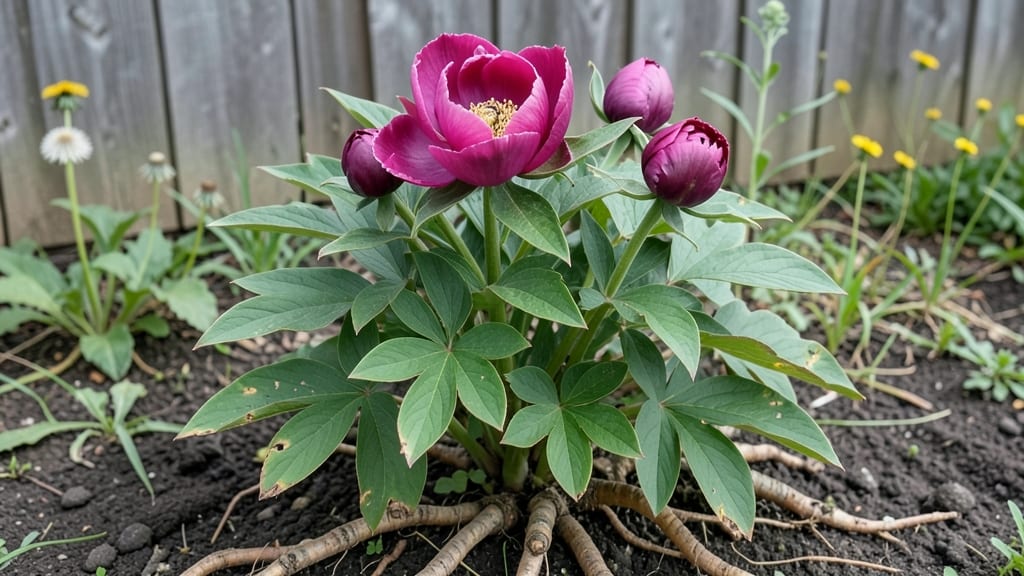
Peonies do not have traditional bulbs like tulips or daffodils; instead, they grow from thick, fleshy roots called corms, which store nutrients underground and produce lush, long-lived foliage each season.
Peony corms are actually modified stems that store energy differently than true bulbs.
Unlike tulips, which have layered bulb scales, peony corms develop from thickened rootstocks that spread horizontally over time—this unique structure lets them thrive for decades with minimal care. 🌱 Their deep root system also makes them drought-tolerant once established, though they still need well-draining soil to prevent rot during their first few years.
💡 In This Article
- How Peony Corms Differ From True Bulbs
- Planting and Caring for Peony Corms Like a Pro
How peony corms differ from true bulbs
Peony corms are actually specialized underground stems called rhizomes, not true bulbs like tulips or onions. While true bulbs store nutrients in concentric layers (like an onion), peony rhizomes grow horizontally and develop thickened nodes where energy is stored.
These nodes can reach 6-8 inches in diameter over time, creating a woody, gnarled appearance that's distinctly different from bulb structures.
The key difference lies in their growth cycle: true bulbs produce a single stem each year, while peony rhizomes send out multiple shoots from their nodes. This is why established peony plants can produce 5-10 stems per corm, creating those iconic lush clumps.
The rhizome's horizontal growth also allows peonies to spread gradually, forming colonies that can live for 50+ years with proper care. 🌿
Botanically, peonies are classified as herbaceous perennials because their foliage dies back annually, but their rhizomes remain dormant underground. Unlike true bulbs that completely decompose after flowering, peony rhizomes continue growing year after year.
This persistence explains why peonies often become garden staples - once established, they require minimal intervention to thrive.
Here's what makes the structure unique: Peony rhizomes develop two distinct root types. First are fibrous roots that absorb water and nutrients, and second are thicker contractile roots that pull the corm deeper into the soil each year.
This dual system helps peonies anchor themselves securely while maintaining optimal growing conditions. The rhizome's ability to regulate its own depth is one reason peonies tolerate various soil conditions better than true bulbs.
Consider this comparison: A tulip bulb might weigh 1-2 ounces at maturity, while a mature peony rhizome can weigh 2-4 pounds or more. This massive size difference reflects their different growth strategies - bulbs focus on rapid annual reproduction, while peony rhizomes invest in longevity and gradual expansion.
The thick, woody texture of peony rhizomes also makes them more resistant to rodent damage than tender bulb structures.
What most gardeners don't realize is how this structure affects care requirements. Since peony rhizomes grow horizontally, they need to be planted with their "eyes" (bud nodes) just below the soil surface - typically 1-2 inches deep.
True bulbs, however, need to be planted at depths equal to their height (usually 6-8 inches for large bulbs). This fundamental difference explains why peonies often struggle when planted too deeply - their growth pattern is completely opposite from traditional bulb plants. ✨