
Blooming
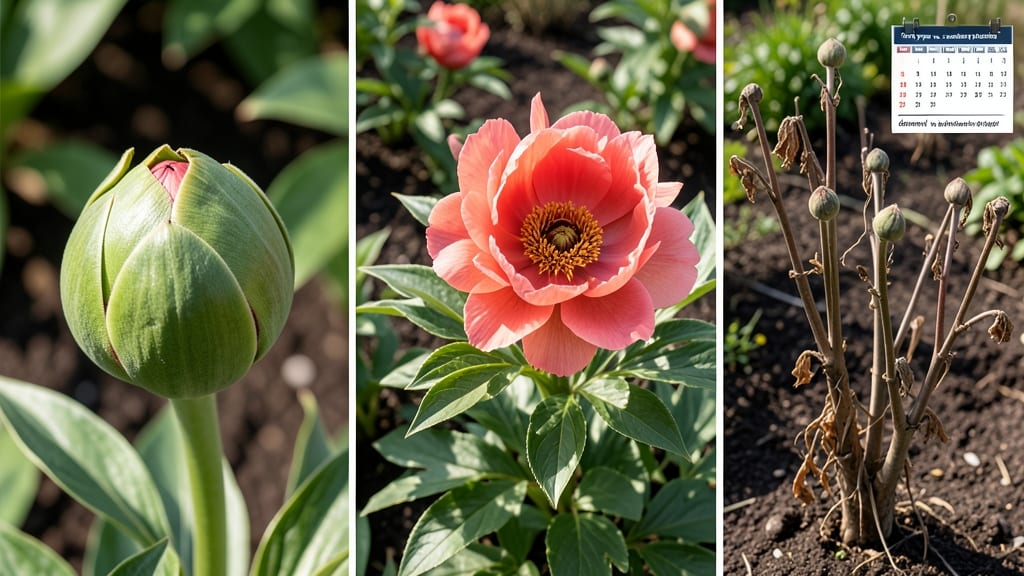
Peonies don't bloom every year; they follow a biennial or triennial cycle where they focus on root development before producing vibrant flowers when conditions are ideal.
This unique pattern helps peonies store energy in their rhizomes—thick underground stems that act like natural batteries. 🌱 When young plants first establish themselves, they prioritize building strong roots over flowering, sometimes waiting 2-3 years before their first bloom.
Even mature peonies may skip a year if stressed by drought, poor soil, or extreme temperatures, ensuring they conserve resources for showstopping displays when they do flower.
What's fascinating is how peonies "know" when to bloom. They respond to day length and temperature cues, typically flowering in late spring when daylight extends and soil warms.
This built-in delay actually makes them more resilient—plants that bloom too early in harsh climates often struggle, while peonies wait for optimal conditions. The trade-off? You might see fewer blooms in their first few years, but once established, they can reward you with decades of flowers with proper care.
💡 In This Article
- Peony Flowering Cycle: The Science Behind Their Rest Periods
- Encouraging Reliable Peony Blooms: Gardening Tips for Consistent Flowers
Peony flowering cycle: the science behind their rest periods
Peonies follow a biennial or triennial blooming pattern because their energy production system is hardwired for survival. When you plant a peony, its primary focus for the first 1-3 years is developing a robust rhizome network—thick, fleshy underground stems that store carbohydrates like starches and sugars.
These rhizomes can grow up to 6 inches deep and spread 12-18 inches wide annually, creating a biological battery that powers both root growth and future blooms. 🌱
The flowering decision happens at the cellular level in the buds. Peonies produce flower buds in late summer, but these remain dormant until they receive specific environmental triggers: 10-12 hours of daylight (long-day plants) and soil temperatures above 50°F.
This dual requirement explains why peonies often bloom later in spring—waiting for both longer days and consistent warmth. Interestingly, their buds contain all the genetic information needed to become flowers, but they won't activate until energy reserves in the rhizomes reach a critical threshold of about 15-20% carbohydrate content.
This built-in delay serves as a conservation strategy. When peonies skip blooming, they're essentially recharging their energy stores for more spectacular displays in future years.
For example, a 3-year-old peony might produce only 3-5 buds its first year, but with proper care, that same plant could yield 50-100 blooms within a decade.
The trade-off between root development and flowering is why mature peonies often produce larger, more abundant flowers than younger plants—each bloom represents years of stored energy being converted into petals.
Environmental stress accelerates this cycle. Factors like drought conditions, poor soil drainage, or extreme temperature swings force peonies into prolonged dormancy as they prioritize survival over reproduction. Even well-established plants may skip a year if they detect insufficient resources.
This is why gardeners in USDA Zones 3-8 often see more reliable blooming than those in marginal climates—peony rhizomes contain natural antifreeze proteins that protect them down to -30°F, but they still need stable growing conditions to build energy reserves.
What makes peonies unique is their ability to extend this cycle indefinitely. Some heritage varieties, like 'Sarah Bernhardt' or 'Kansas', can continue producing stunning blooms for 50+ years with minimal care, thanks to this built-in energy management system.
The key is understanding that each skipped bloom represents an investment in future floral abundance—like saving for a big purchase, but with roots instead of bank accounts. 💫
This biological strategy also explains why peonies often bloom more prolifically after being transplanted. The shock of moving forces them to rebuild their rhizome network, which can actually increase future blooming potential as they rebuild with more efficient energy storage systems.
The same principle applies to dividing established clumps—when you separate peony roots, you're essentially giving each section a fresh start to build its own energy reserves.