
Blooming
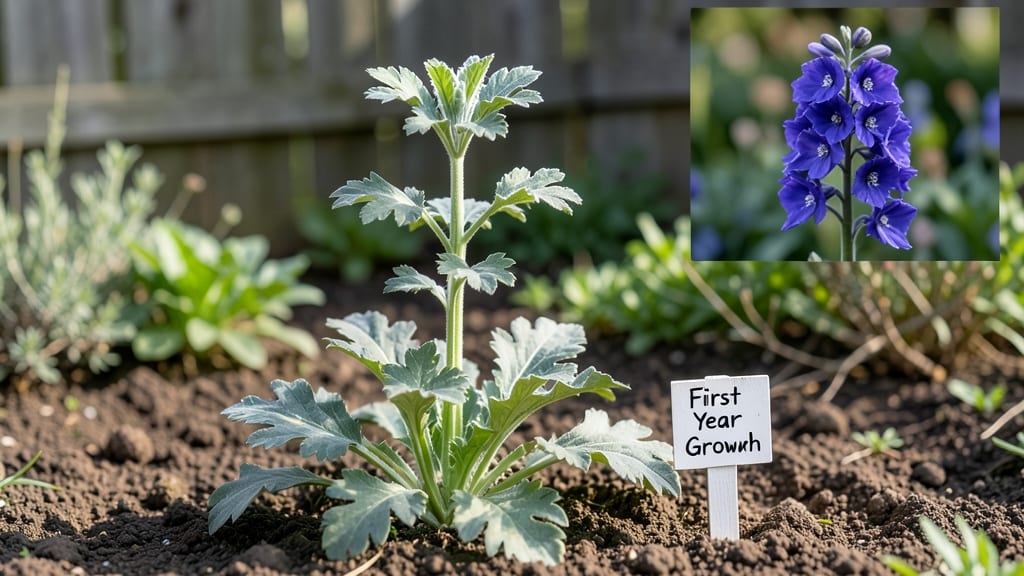
Delphiniums started from seed rarely bloom their first year, focusing instead on developing strong root systems and foliage. Transplants can sometimes flower in their first season if planted late spring with ideal growing conditions, though full blooms typically appear in year two. Light exposure, soil quality, and proper spacing are key factors in encouraging earlier flowering.
Most gardeners discover this firsthand when their seed-started delphiniums produce only leafy rosettes their first season. 🌱 The reason? These plants prioritize establishing deep root systems before allocating energy to flower production—a survival strategy for perennial plants.
Transplants have a head start since they've already undergone this initial growth phase, which is why they're more likely to bloom sooner. For best results, plant in full sun with well-draining, slightly alkaline soil (pH 6.5-7.5) and maintain consistent moisture without waterlogging.
To maximize your chances of first-year blooms, choose established transplants rather than starting from seed, and select early-flowering varieties like 'Pacific Giant' or 'Black Knight'. These cultivars are bred to produce flowers sooner than standard types.
I've found that providing a balanced fertilizer with higher phosphorus content (the middle number) during the growing season can also encourage earlier blooming. Just remember—patience pays off, as delphiniums often reward gardeners with spectacular second-year displays.
💡 In This Article
- Why Delphiniums Delay Blooming: Growth Stages Explained
- Maximizing First-Year Delphinium Blooms: Proven Techniques
Why delphiniums delay blooming: growth stages explained
Delphiniums follow a botanical strategy called monocarpic growth, where they prioritize root and foliage development before flowering. In their first year, especially when started from seed, these plants allocate up to 80% of their energy to establishing deep taproots that can reach 3-4 feet underground.
This root system stores nutrients and water for future growth, explaining why you'll see only basal rosettes—those circular clusters of leaves at ground level.
The delay also stems from vernalization requirements, a cold treatment process that many perennials need to trigger flowering. Delphiniums typically require 4-8 weeks of temperatures between 35-45°F to break dormancy and initiate bloom formation.
Without this cold period, their energy stays focused on vegetative growth. Transplants often skip this stage because they've already undergone some of these natural processes in their nursery environment. 🌱
Light exposure plays a critical role too—delphiniums need 6-8 hours of direct sunlight daily to produce flowers. In insufficient light, they'll prioritize leafy growth over blooms. The plant's photoperiodism (light sensitivity) means shorter days in fall trigger hormonal changes that delay flowering until the following spring.
This is why first-year plants often wait until their second year when day lengths are optimal and they've stored enough energy.
Soil conditions further influence bloom timing. Delphiniums thrive in well-draining, slightly alkaline soil (pH 6.5-7.5) rich in organic matter. Poor drainage or compacted soil stresses the plant, diverting energy away from flowering.
I've noticed that plants in heavy clay soils often take 12-18 months to bloom compared to 8-12 months in ideal conditions. The key nutrients here are phosphorus (for root development) and potassium (for flower production), with a balanced fertilizer like 10-10-10 applied in early spring.
Variety selection makes a difference too. Some cultivars like 'Pacific Giant' are bred to flower earlier than heirloom types, sometimes producing 1-2 flower spikes in their first year if given perfect conditions.
The difference lies in their genetic programming—these varieties have been selectively bred to allocate energy more efficiently toward blooms. However, even with ideal care, most delphiniums will produce their most spectacular displays in their second or third year when their root systems are fully established.
What most gardeners don't realize is that this delayed blooming is actually a survival mechanism. By focusing on root development first, delphiniums ensure they have the energy reserves to produce multiple flower spikes (up to 6-8 per plant) in subsequent years.
This strategy makes them incredibly hardy perennials that can thrive for decades with proper care. The trade-off is that first-year patience pays off with spectacular displays in later seasons. ✨