
Blooming
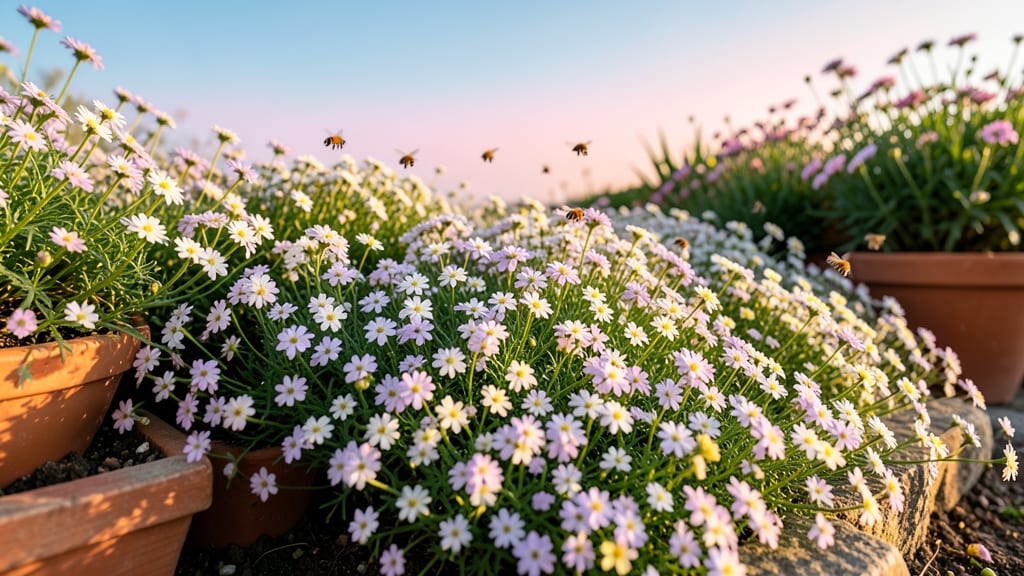
Spring’s earliest blooms bring color and life before summer’s heat sets in. These 10 resilient flowers defy cold snaps, thrive in cool weather, and create vibrant displays that attract pollinators and lift garden spirits.
Crocus Flowers: Harbingers of Spring’s Arrival
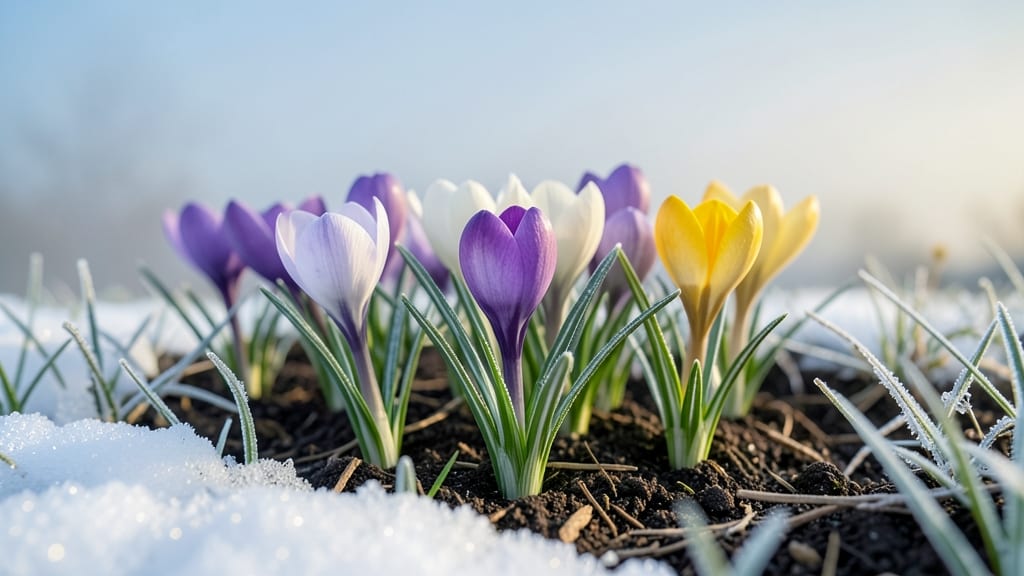
Imagine waking up to a surprise splash of color in your garden—crocus flowers are the first to break through snow and frost, announcing spring’s arrival with their cheerful purple, white, or yellow blooms. These hardy perennials thrive in USDA Zones 3-8 and often bloom as early as February, making them perfect for gardeners eager to beat the winter blues.
Plant crocus bulbs in fall (6-8 weeks before the first frost) in well-draining soil with full sun to partial shade. They’re ideal for naturalizing in lawns, rock gardens, or containers, and their early blooms provide nectar for bees when little else is available. With minimal care—just a bit of water during dormancy—they’ll reward you with year-round foliage and vibrant flowers for decades.
Perfect for beginners or urban gardeners with limited space, crocus flowers are a low-maintenance way to add instant color and hope to your garden. 🌱
Snowdrops: Delicate Blooms in Frosty Conditions
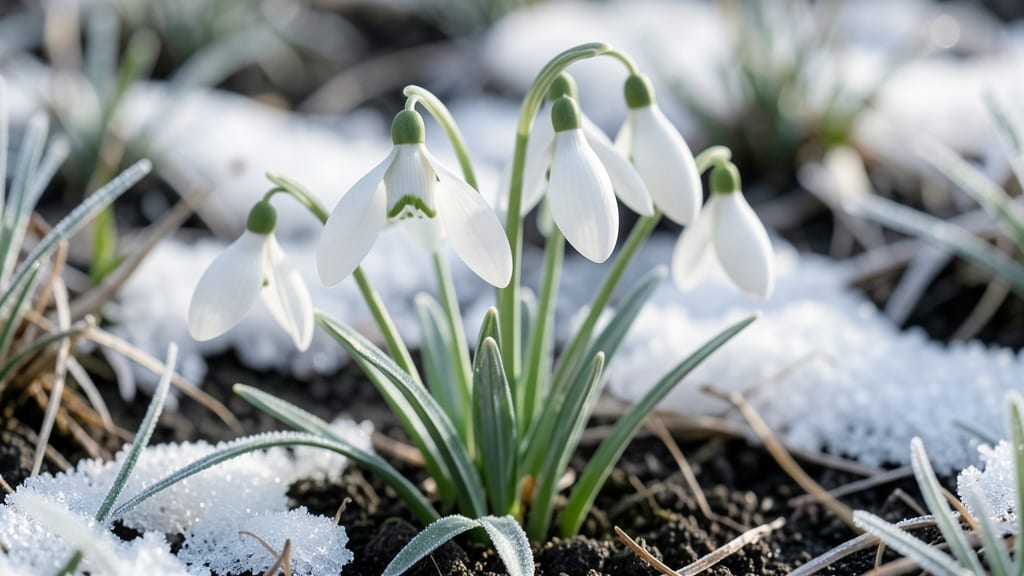
While crocus flowers may be the first to peek through winter’s grip, snowdrops are the unsung heroes of early spring—blooming as early as February in many climates. Their delicate, nodding white bells appear like tiny candles lighting up frost-kissed gardens, often before snow has fully melted.
These cold-hardy perennials thrive in USDA zones 3-9, making them perfect for northern gardens where other plants struggle. Plant bulbs in fall (October-November) in well-draining soil with partial to full shade, and they’ll reward you with year-round greenery and early blooms. Snowdrops also naturalize beautifully, spreading gently over time to create a carpet of early spring cheer.
Ideal for woodland gardens, shady borders, or even under deciduous trees, snowdrops bring symbolism and substance—their blooms represent hope and renewal, while their resilience makes them a must-have for patient gardeners. 🌱
Pansies: Colorful Faces for Cool Weather Gardens
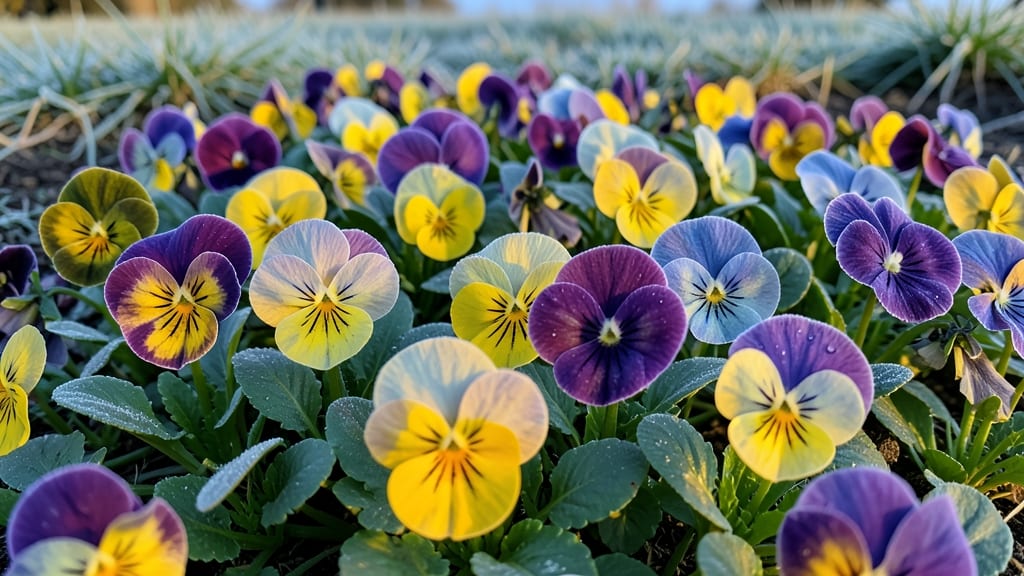
When you crave color before summer’s heat arrives, pansies deliver a cheerful punch—blooming reliably from early spring right through late fall. Their frost-tolerant nature means they’ll often outlast other annuals, making them the unsung heroes of cool-season gardens.
These face-like blooms come in every hue imaginable, from deep purples to sunny yellows, and thrive in partial sun to full shade. Plant them in containers for balcony gardens or tuck them into borders for instant pops of color. A little deadheading extends their show, and they self-seed easily for next year’s surprise blooms.
Perfect for beginners or busy gardeners, pansies demand minimal care while delivering maximum impact—ideal for those who want year-round color with almost no fuss. 🌻
Daffodils: Classic Spring Bulbs with Bold Statements
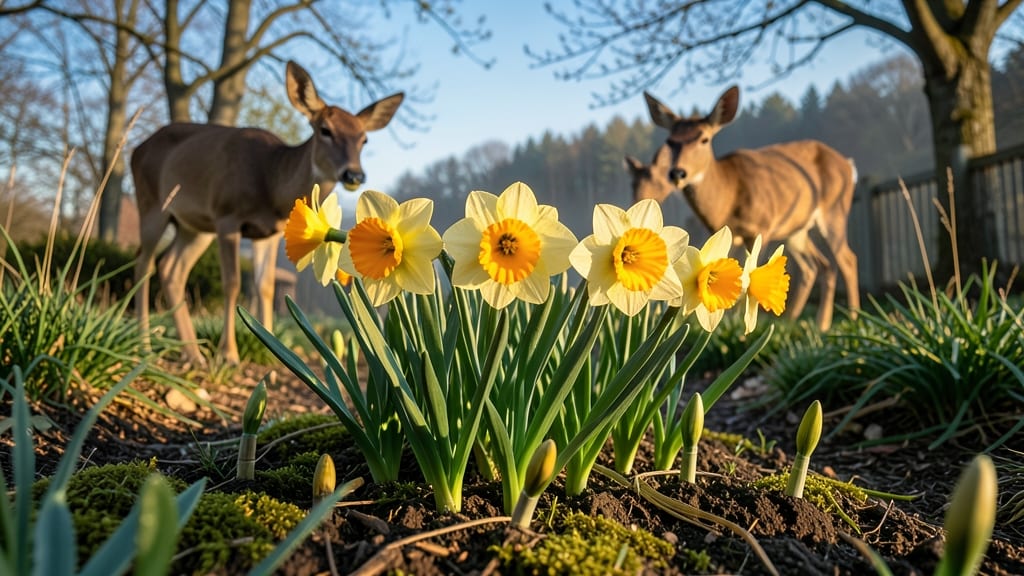
When deer browse your garden like an all-you-can-eat buffet, daffodils serve as the uninvited guests' least favorite appetizer. Their bitter sap deters deer, making them one of the few early spring bloomers that survive unscathed in rural or suburban settings where wildlife roams freely.
Plant daffodil bulbs in fall for reliable early spring blooms that appear even before snow melts in many climates. Their cheerful yellow and white trumpets thrive in full sun to partial shade and require minimal care—just well-draining soil and occasional watering once established. For cutting gardens, varieties like 'Ice Follies' or 'Tête-à-Tête' produce long stems perfect for bouquets.
These bulbs are perfect for gardeners who want low-maintenance color without the hassle of deer damage or frequent replanting. Plus, their bold blooms create striking borders that announce spring's arrival with confidence. 🌻
Bleeding Heart Flowers: Elegant Arches for Shade Gardens
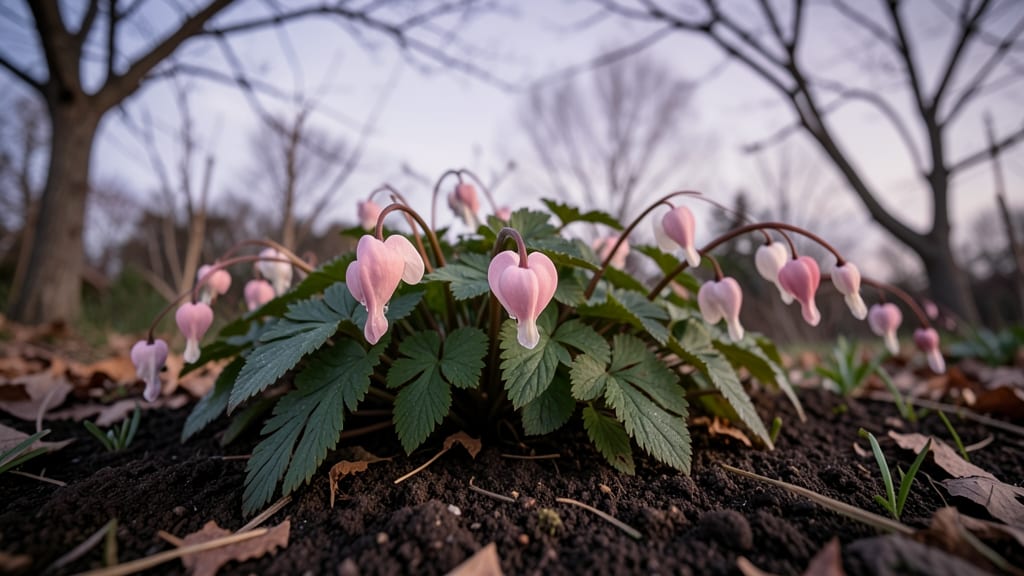
When your garden feels like a blank canvas in early spring, bleeding heart flowers (Dicentra spectabilis) swoop in with their romantic, heart-shaped blooms—often appearing before most perennials even think about waking up.
These shade-loving stars thrive in partial to full shade, making them ideal for wooded areas, north-facing beds, or beneath trees where sunlight is scarce. Plant them in moist, well-draining soil enriched with organic matter, and watch their arching stems cascade with delicate pink or white flowers from late spring into summer. While they’re not technically the very first bloomers (they peak in May), their early foliage emergence and long-lasting display make them a must for extending your spring color palette.
Perfect for gardeners with shady spots or those who love whimsical, cottage-style gardens, bleeding hearts add vertical interest without stealing the spotlight from other early bloomers like crocuses or snowdrops. 🌷
Hepatica: Tiny Treasures with Three-Petaled Charms
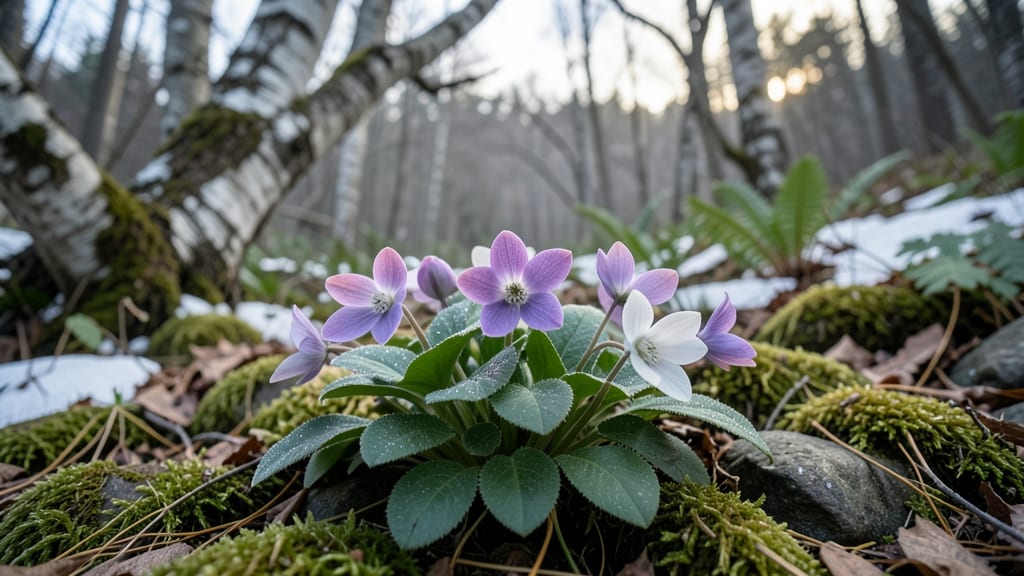
If you're craving a woodland garden that feels like a secret forest retreat, hepatica delivers with its delicate, three-petaled blooms that appear before most spring flowers. These tiny treasures emerge in late winter, often while snow still lingers, offering shades of purple, pink, or white that brighten shady corners.
Hepatica thrives in partial to full shade, making it perfect for understory plantings where other flowers struggle. Its basal rosette of lobed leaves provides year-round interest, while the flowers—often with maroon centers—last just 2-3 weeks but create a stunning early show. Plant in well-draining, humus-rich soil and water moderately; they’re surprisingly drought-tolerant once established.
This underappreciated gem is ideal for shade gardeners or those seeking native woodland plants that support pollinators early in the season. Pair it with bleeding hearts or lungwort for a layered, low-maintenance woodland effect. 🌷
Primrose Flowers: Fragrant Clusters for Early Pollinators
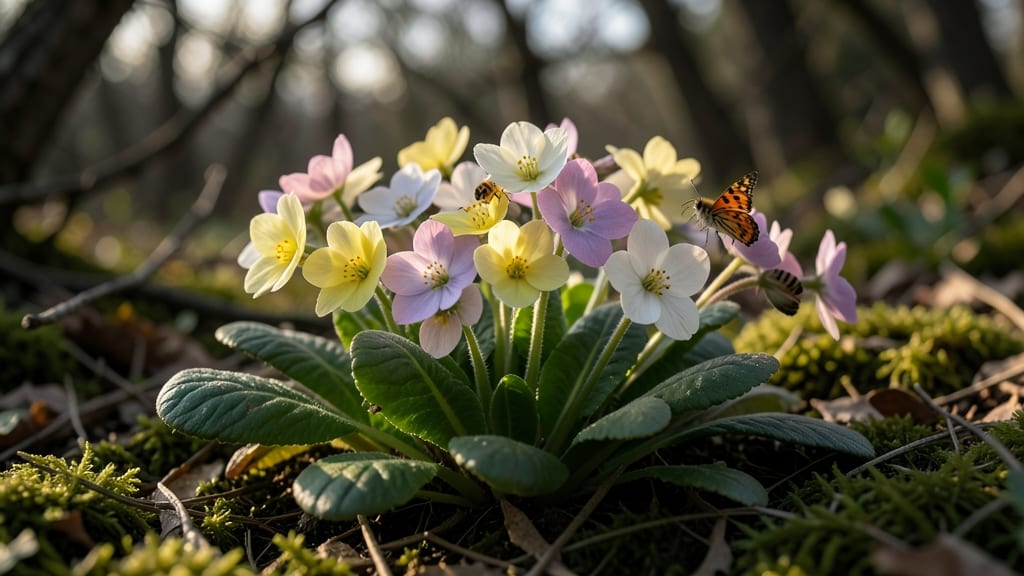
When bees and butterflies emerge from winter dormancy, primroses are ready to welcome them with their fragrant clusters of color. Unlike sun-loving spring flowers, these cheerful blooms thrive in partial shade, making them perfect for woodland edges, shady borders, or even under trees where few other plants dare to grow.
Plant Primula species in well-draining, humus-rich soil after the last frost for blooms that appear as early as March in mild climates. Their fragrant blooms in yellow, pink, or white come in clusters that last for weeks, providing nectar for pollinators when little else is in bloom. Deadhead spent flowers to encourage continuous blooming throughout spring.
Perfect for gardeners with shady spots or those looking to support early pollinators, primroses add a touch of magic to gardens that other spring flowers can't reach. 🌷
Lungwort: Medicinal Beauty with Silver-Spotted Leaves
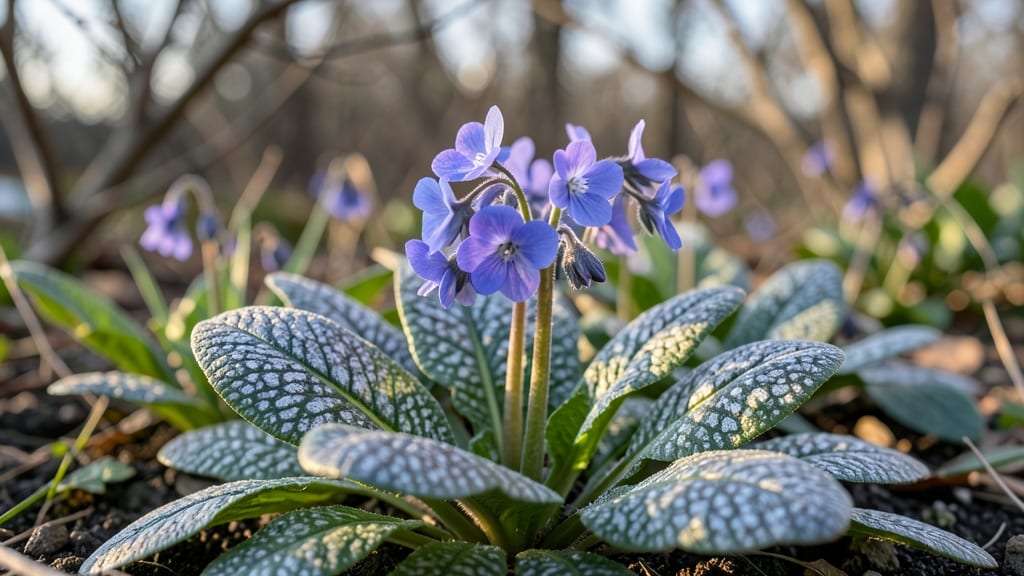
If you’re looking for a plant that combines medicinal history with striking ornamental appeal, lungwort (Pulmonaria) is your answer. This early spring bloomer produces delicate purple-blue flowers that contrast beautifully with its distinctive silver-speckled foliage—a rare dual-purpose plant that thrives in shade.
Lungwort’s unique foliage earned its name from its historical use in herbal remedies for lung ailments, though modern gardens value it for its textured leaves and long bloom time (March–May). Plant it in woodland gardens or under trees where it spreads slowly into lush ground cover. Its low-maintenance nature makes it perfect for gardeners who want both beauty and resilience.
Ideal for shade-loving gardeners or those seeking pollinator-friendly early blooms, lungwort adds depth and intrigue to any garden. 🌿
Winter Aconite: Golden Stars in Late Winter
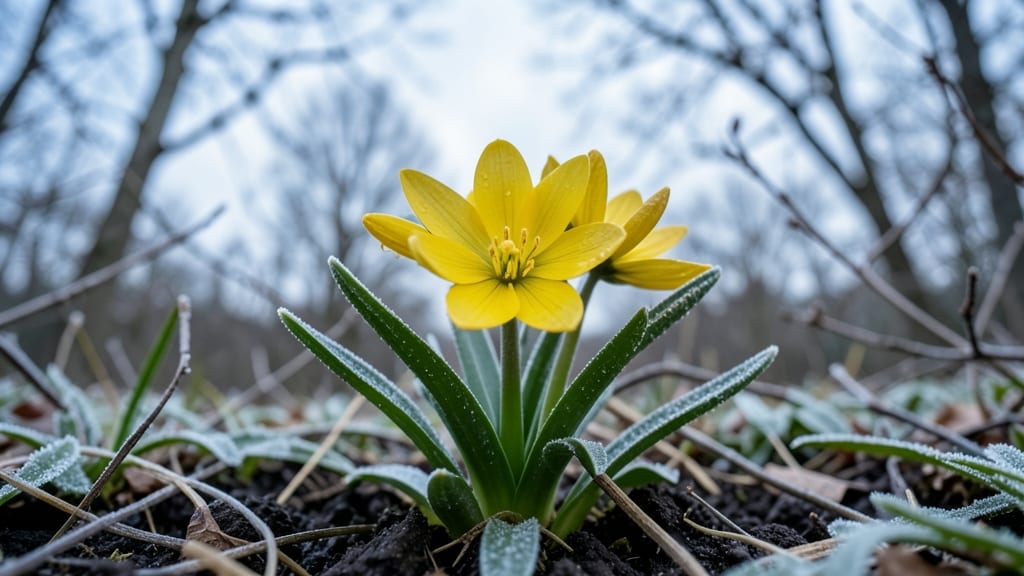
If you're dreaming of a garden that wakes up before the snow even thinks about leaving, winter aconite delivers a dazzling surprise with its bright yellow, star-shaped flowers that emerge as early as January or February in many regions. This rare beauty thrives in the cold, often blooming through light frost, and creates a stunning contrast against winter's muted palette.
Perfect for rock gardens or alpine collections, winter aconite prefers well-draining soil and full sun to partial shade. Plant the tuberous roots in fall (September-October) in gritty, sandy soil to prevent rot. While it's not long-lived, its dramatic early display makes it a worthwhile addition—plus, it self-seeds readily for future surprises.
For gardeners who love unexpected bursts of color in late winter, winter aconite is a game-changer. Its cheerful blooms provide vital early nectar for emerging pollinators when little else is available. 🌟
Sweet Alyssum: Honey-Scented Carpet for Containers

If you’ve ever dreamed of a garden that smells like sunshine and honey, sweet alyssum is your secret weapon—this tiny annual creates a fragrant, flower-filled carpet that transforms bare containers and borders into pollinator magnets by early spring. Unlike many early bloomers that require perfect timing, sweet alyssum thrives in cool temperatures and even tolerates light frosts, making it one of the most reliable first flowers to bloom in spring.
Sow seeds directly in containers or garden beds after the last frost (or even in fall for a surprise early show), and watch as its dense clusters of tiny blooms in white, purple, or pink spill over edges like a living confetti. The sweet fragrance isn’t just charming—it lures beneficial insects like hoverflies and parasitic wasps, giving your garden an early boost in pest control. For longest blooms, deadhead spent flowers and provide moderate moisture; this drought-tolerant annual will reward you with color from spring until summer’s heat arrives.
Perfect for container gardens, urban balconies, or filling gaps in perennial borders, sweet alyssum demands almost no effort but delivers maximum impact—ideal for beginners or busy gardeners who want effortless beauty and pollinator support. 🌿