
Blooming
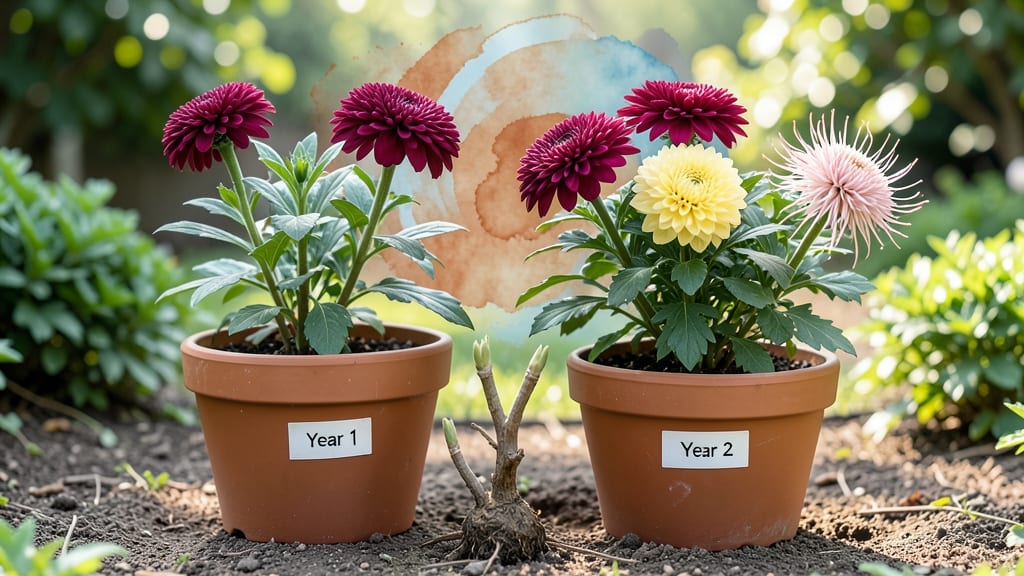
Mums (chrysanthemums) bloom every year when grown as perennials in USDA zones 5-9, delivering their signature fall color annually. However, most gardeners mistakenly treat them as annuals, cutting them back after blooming and losing their perennial potential.
These hardy plants rely on a cold winter dormancy period to reset their growth cycle, which is why they flourish in cooler climates. 🌿 The key difference between reblooming and non-reblooming varieties lies in their genetic programming—rebloomers produce multiple flushes of flowers when given proper care, while single-bloomers focus all energy on one spectacular display.
Many gardeners unknowingly prevent reblooming by cutting stems too late in the season or failing to protect them from harsh winter conditions.
To maximize annual blooms, focus on three critical factors: proper winter mulching, strategic spring pruning, and consistent fertilization. A 3-inch layer of mulch in late fall helps insulate roots, while early spring pruning (just above the first set of leaves) encourages new growth.
Most varieties need balanced fertilizer in early spring and again after the first bloom cycle to sustain their energy.
💡 In This Article
- Why Perennial Mums Rebloom Annually
- How to Encourage Mums to Bloom Year After Year
Why perennial mums rebloom annually
Mums (chrysanthemums) follow a natural biological cycle that includes a 6-8 week dormancy period during winter months. This cold requirement, called vernalization, triggers their internal clock to reset and prepare for spring growth.
When temperatures drop below 40°F for several weeks, the plant's cells undergo biochemical changes that signal it's time to break dormancy. Without this cold exposure, mums won't bloom reliably the following year—this is why gardeners in warmer climates often struggle with annual reblooming.
The timing of blooming is also controlled by daylight length, a phenomenon called photoperiodism. Most mum varieties begin flowering when daylight hours shorten in late summer/early fall, typically around 12-14 hours of light per day.
Reblooming varieties have been selectively bred to produce multiple flower cycles when given proper care, while non-reblooming types focus all their energy on one spectacular fall display.
The difference lies in their genetic programming—rebloomers can reset their flowering cycle after each bloom, while single-bloomers complete their life cycle after that one flush.
Here's what's happening at the cellular level: When mums experience cold temperatures, their ABA (abscisic acid) hormone levels increase, which helps them survive winter. As spring arrives, gibberellins (growth hormones) take over, stimulating new shoot growth.
The plant then enters a vegetative phase where it builds energy reserves through photosynthesis, setting the stage for summer blooming. This entire process requires at least 4-6 weeks of consistent cold—anything less and the plant may skip flowering entirely.
Consider these key differences between reblooming and non-reblooming varieties:
- Reblooming mums: Produce 2-3 flower cycles per season when properly cared for, with the first bloom in late summer and subsequent ones in fall. Examples include 'Bonanza' and 'Safari' series.
- Non-reblooming mums: Focus all energy on one spectacular fall display (typically September-October) and then decline. These often have larger, showier blooms but require more winter protection.
- Hybrid varieties: Some modern hybrids can produce partial reblooming with deadheading (removing spent blooms) and proper fertilization.
The color spectrum of mums also plays a role in their blooming patterns. Darker varieties (deep reds, purples) often have slightly longer bloom times than lighter colors (whites, yellows), which may fade faster in hot weather.
This color variation affects how quickly the plant allocates energy to new blooms versus maintaining existing flowers.
What most gardeners don't realize is that mums actually stop blooming naturally as temperatures rise above 80°F. This is their survival mechanism—when it gets too hot, the plant conserves energy by focusing on root and stem growth rather than producing flowers.
This is why late summer heat waves can cause mums to appear "done" for the season, even if they're still healthy plants.