
Blooming
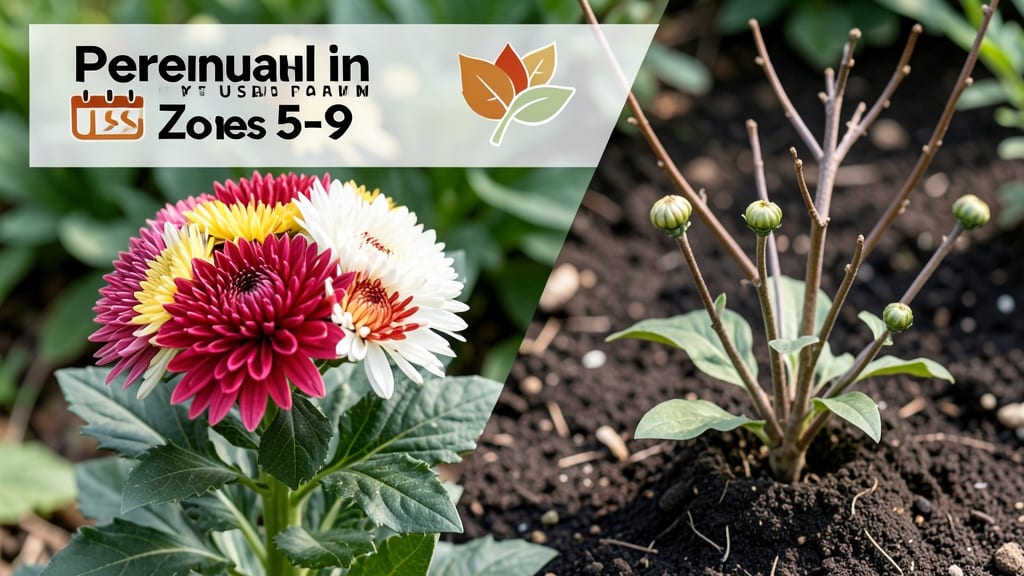
Chrysanthemums bloom every year as hardy perennials in most regions, though reblooming varieties need careful maintenance like regular deadheading and strategic pruning to produce consistent annual flowers. Harsh winters or neglect can cause some types to skip blooming entirely.
Most chrysanthemums thrive as perennials, returning year after year with proper care. 🌸 The key difference lies in their growth habits—single-bloom types naturally produce flowers once per season, while reblooming varieties can produce multiple flushes with consistent deadheading and seasonal adjustments.
In colder climates, mulching helps protect roots during winter dormancy, ensuring stronger regrowth and blooming the following year.
For gardeners aiming to maximize annual blooms, focus on pruning after the first flush and providing well-draining soil rich in organic matter. Over-fertilizing with nitrogen can lead to lush foliage but fewer flowers, so a balanced 10-10-10 fertilizer in early fall often works best.
Even in ideal conditions, some varieties may take a year or two to establish fully before delivering their full blooming potential.
💡 In This Article
- Perennial Chrysanthemum Types and Their Blooming Cycles
- Tips to Ensure Annual Chrysanthemum Blooms
Perennial chrysanthemum types and their blooming cycles
Chrysanthemums (Chrysanthemum spp.) are classified as perennials in most temperate climates, meaning their roots survive winter dormancy to regrow each spring.
The key difference between single-bloom and reblooming varieties lies in their genetic programming: single-bloomers produce one flush of flowers in late summer/fall, triggered by shortening daylight hours (a process called photoperiodism).
Reblooming types, however, have been selectively bred to produce multiple flower cycles by resetting their blooming signals through careful pruning and care.
The science behind this involves hormonal regulation—specifically, the balance between auxins (which promote growth) and florigen (the flowering hormone). Single-bloomers naturally produce florigen once per season, while rebloomers can be "tricked" into producing it again by removing spent blooms (deadheading) and pruning to stimulate new growth.
In colder regions (USDA zones 5-7), chrysanthemums enter dormancy when temperatures drop below 40°F, with roots storing energy for spring regrowth.
Climate plays a crucial role in blooming consistency. In Zone 8+, where winters are mild, chrysanthemums may bloom nearly year-round with proper care. However, in Zone 5 or colder, harsh winters can stress plants, causing them to skip blooming entirely.
The Korean chrysanthemum (C. morifolium), for example, thrives in these conditions and often produces vibrant fall blooms, while garden mum (C. × grandiflorum) varieties may need winter protection like 3-4 inches of mulch to survive and rebloom the next season.
What most gardeners don't realize is that even reblooming varieties have a finite number of bloom cycles—typically 2-3 per season. After the third flush, the plant redirects energy toward root and foliage growth for winter survival.
This is why fall fertilization with phosphorus (the middle number in NPK, like 5-10-5) is critical—it supports root development and stores energy for next year's blooms.
For visual variety, consider these common types and their blooming habits:
- Single-bloomers: Produce one dramatic flush in fall (e.g., 'Ruby Mound' with deep red blooms). Ideal for cut flowers.
- Rebloomers: Multiple cycles (e.g., 'Bonanza Yellow'), needing deadheading after each flush.
- Spray types: Compact growth with many small blooms (e.g., 'Little Princess'), perfect for borders.
The texture of chrysanthemum blooms also varies—some have velvety petals (like 'Dwarf Blue'), while others are papery and crisp (like 'Snowball'). This diversity makes them a gardener's favorite for both color and structure, but it's their perennial nature that truly sets them apart from annuals.
Pro tip: If your chrysanthemums skip blooming, check for overcrowding (roots compete for nutrients) or excess nitrogen (promotes leaves over flowers). A light pruning in early spring can also encourage bushier growth and more blooms later in the season. 🌿