
Blooming
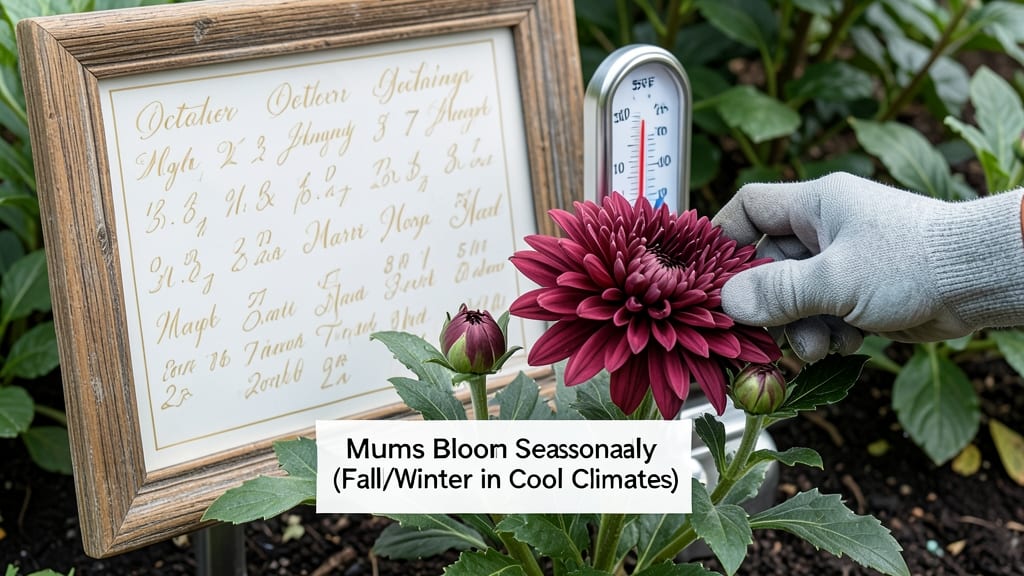
Mums don’t bloom all year—but these heat-resistant varieties stretch their season like crazy. 🌻 The truth is, most chrysanthemums wait for shorter days and cooler temps to flower, but the right cultivars (like 'Dynasity' or 'Bright Golden Anne') push boundaries by reblooming into early winter or even spring.
The key isn’t forcing nature—it’s working with it.
Daylight hours are the real boss here. Mums need 12+ hours of darkness to trigger blooms, which is why they peak in fall. Heat-resistant types handle summer better, but even they’ll pause when temps hit 90°F+.
Pruning spent blooms and fertilizing with low-nitrogen, high-phosphorus feed (like 5-10-10) tricks them into reblooming—just don’t expect miracles in July.
What you can expect is 3-4 months of color from late summer through frost, with some varieties lasting into spring if you prune aggressively. The trade-off?
They’ll grow leggy if you push too hard—balance is everything. Think of it like a dance: you lead with care, and the plant follows with blooms.
For year-round color, pair mums with impatiens, pansies, or ornamental kale—they’ll pick up the slack when mums rest. And if your mums refuse to bloom?
Check for overcrowding, poor drainage, or too much nitrogen—those are the real villains. The goal isn’t perpetual blooms; it’s longer seasons of happy flowers.
📚 In This Guide
- What you need
- Instructions
- Tips and common mistakes
- Wrapping up and next steps
What you need
- ● Heat-tolerant mum plants: Choose varieties like ‘Dynasity’ or ‘Marmalade’ (available at nurseries or online). Quantity: 3–5 plants per 10 sq. ft. for full coverage.
- ● Well-draining potting mix: A blend of 60% peat/coir, 30% perlite, and 10% compost (10–15 gallons per 4" pot). Pro tip: 💡 Avoid heavy clay soil—it bakes in heat!
- ● Containers or garden beds: Containers: 5–7 gallon pots with drainage holes (1 per plant). Material: Terracotta (breathable) or fabric grow bags.
- ● Garden beds: Raised beds (6–12" deep) with shade cloth (30–50%) for afternoon sun.
- ● Slow-release fertilizer: 10-10-10 NPK or osmocote (2 tbsp per plant at planting; repeat every 8 weeks).
- ● Mulch: 2–3 inches of shredded bark or straw to retain moisture and regulate soil temp.
- ● Watering can or drip irrigation: 1–2 gallons per plant daily during peak heat (morning watering only!).
- ● Shade cloth: 30–50% coverage for afternoon sun protection (especially in zones 8+).
- ● Fungicide: Copper-based spray (prevents powdery mildew in humidity).
- ● Growth regulator: Paclobutrazol (1–2 tbsp per gallon of water) to delay bolting in extreme heat.
- ● Soil thermometer: Monitor temps—ideal range: 60–75°F.
- ● Decorative stones: For a polished look around pots (e.g., pebbles or slate chips).
Heat-resistant mums: how to extend their blooming season
Here’s how to select and care for chrysanthemums that thrive beyond their usual fall display—with the right varieties and growing strategies.
🌱 Step 1: Choose Heat-Tolerant Mum Varieties
Not all chrysanthemums handle summer heat well, but certain varieties like ‘Dynasity,’ ‘Mega,’ and ‘Bright Star’ are bred to bloom reliably even when temperatures climb above 75°F. These heat-resistant mums stay compact, vibrant, and resilient when others wilt. Look for tags labeled “summer-blooming” or “heat-tolerant”—they’re specifically developed to push through seasonal shifts.
I always check the bloom time on the tag. Some varieties, like ‘Pacific Giant,’ bloom earlier in the season, while others, like ‘Jolanda,’ hold onto their flowers longer. Plant these in full sun—at least 6 hours daily—to encourage strong, continuous blooms. Without enough light, even heat-resistant mums will struggle to produce flowers.
☀️ Step 2: Plant in Well-Draining Soil and Provide Mulch
Mums hate soggy roots, so amending the soil with 2-3 inches of compost before planting improves drainage and nutrient uptake. Work the compost into the top 6-8 inches of soil to create a loose, airy medium. If your garden soil is heavy clay, mix in 1 part perlite or coarse sand to prevent waterlogging—this is critical for heat tolerance.
After planting, apply a 2-3 inch layer of mulch around the base of each plant, keeping it 2 inches away from the stems. This mulch layer acts like a cooling blanket, retaining moisture and shielding roots from temperature swings. I use shredded bark or straw—both break down slowly and keep the soil evenly moist without compacting.
💧 Step 3: Water Deeply and Consistently
Heat-resistant mums still need 1-1.5 inches of water per week, but the key is deep, infrequent watering rather than daily shallow drinks. Water in the early morning to let foliage dry before evening, which prevents fungal diseases like powdery mildew. You’ll know you’re watering correctly when the top 2 inches of soil feel dry—stick your finger in to check.
During heatwaves, increase watering slightly but avoid wetting the leaves. If the soil feels dry 1 inch down by mid-morning, it’s time to water again. Overwatering stresses mums, while underwatering causes buds to drop. A soaker hose or drip irrigation system delivers water right to the roots without splashing foliage.
✂️ Step 4: Deadhead and Fertilize for Extended Blooms
To encourage more flowers, deadhead spent blooms weekly by snipping just above the next set of leaves. This redirects the plant’s energy into producing new buds instead of seeding. I use clean, sharp pruners to avoid tearing stems—mums respond best to precise cuts. If you see leggy growth or sparse blooms, it’s a sign the plant needs a balanced, slow-release fertilizer every 4-6 weeks during the growing season.
For a mid-season boost, switch to a low-nitrogen, high-phosphorus fertilizer (like a 5-10-10 blend) to promote flowering. Avoid high-nitrogen feeds—they’ll give you lush foliage but fewer blooms. After fertilizing, water deeply to help roots absorb nutrients without burning the plants.
🌿 Step 5: Protect from Late-Season Heat and Pests
Even heat-resistant mums can struggle if temperatures stay above 85°F for weeks. If your forecast predicts a late-summer heatwave, provide afternoon shade with a lightweight shade cloth (30-50% coverage) to prevent wilting. Remove the cloth once temperatures drop below 80°F to let the plants rebuild strength for fall blooms.
Watch for aphids or spider mites, which thrive in hot, dry conditions. I spray plants with a neem oil solution (1 tablespoon per quart of water) every 7-10 days as a preventative. If you spot chewed leaves or sticky residue, treat immediately—pests weaken plants and reduce their ability to bloom.
Tips & tricks for extending mum's blooming season
These practical strategies will help you coax vibrant blooms from your heat-resistant chrysanthemums well beyond their typical fall display.
Variety Selection Matters: When choosing heat-resistant varieties like 'Dynasity' or 'Bright Star,' pay special attention to the bloom time indicated on the tag. Early bloomers like 'Pacific Giant' will give you color sooner, while 'Jolanda' varieties hold their flowers longer—perfect for extending your seasonal display. The key is matching your climate's heat patterns with the right variety's heat tolerance threshold (above 75°F).
Soil Preparation Secret: The 2-3 inches of compost mixed into the top 6-8 inches of soil isn't just about drainage—it's about creating an ideal microbial environment for root development. For heavy clay soils, that 1 part perlite or coarse sand creates tiny air pockets that prevent root suffocation during heatwaves. I've found that pre-mixing this amendment in a wheelbarrow ensures even distribution without compacting the soil.
Watering Strategy: The 1-1.5 inches of water per week guideline might seem straightforward, but the devil's in the details. Use a rain gauge or tuna can to measure—your eye can be deceiving. During heatwaves, I increase to 1.5-2 inches but always check soil moisture at 1 inch down by mid-morning. The early morning watering isn't just about preventing fungal diseases; it gives leaves time to dry completely before evening humidity peaks.
Pest Prevention: That 1 tablespoon of neem oil per quart of water isn't just a treatment—it's your first line of defense. I start spraying preventatively when temperatures hit 80°F and increase to every 5-7 days during prolonged heat. The key is consistency: aphids and spider mites reproduce rapidly in hot conditions, and once they establish, they're nearly impossible to eradicate without systemic treatments.
Pro Tips for Do Mums Bloom All Year
- These practical strategies will help you coax vibrant blooms from your heat-resistant chrysanthemums well beyond thei...
- Variety Selection Matters: When choosing heat-resistant varieties like 'Dynasity' or 'Bright Star,' pay special atten...
- Soil Preparation Secret: The 2-3 inches of compost mixed into the top 6-8 inches of soil isn't just about drainage—it...
Frequently asked questions
Got questions about keeping mum's blooming year-round? You’re not alone! Here are some of the most common queries—and their answers—to help you grow heat-resistant mum varieties that thrive in every season.
Can mum flowers really bloom all year, or just in warmer months?
While mum's (Chrysanthemum) traditionally bloom in fall, heat-resistant varieties (like 'Dynasity' or 'Mega Bloom') can be coaxed into year-round blooms with the right care—think pruning, consistent watering, and seasonal adjustments. In mild climates, they may even rebloom in spring or summer with proper support!
How do I protect mum’s from winter frost if I want blooms year-round?
Mum’s are not frost-tolerant, but you can extend their season by:
- Potting them in containers for winter indoor growth (near a sunny window).
- Mulching heavily in the ground to insulate roots.
- Using frost cloths or row covers for outdoor plants.
What’s the best way to encourage reblooming in summer heat?
Heat stress stunts blooms, but these tricks help:
- Prune back leggy stems after the first flush of spring blooms to promote bushiness.
- Water deeply at the base (not leaves) to avoid fungal issues.
- Fertilize with low-nitrogen, high-phosphorus feed (like 5-10-5) every 4–6 weeks.
- Provide afternoon shade in scorching zones.
Are there mum varieties that naturally bloom outside their usual season?
Yes! Some reblooming mum’s are bred to push boundaries:
- 'Bonanza' series: Blooms in spring, summer, and fall with proper care.
- 'Mega Bloom' hybrids: Tolerate heat better and rebloom if pruned correctly.
- 'Pacifica' (dwarf mum’s): Often flower earlier and handle heat slightly better.
Why are my mum’s leaves turning yellow or dropping buds in summer?
Yellow leaves or bud drop usually mean:
- Overwatering (check soil—it should be dry 1–2 inches down before watering).
- Underwatering (mum’s wilt quickly in heat; mulch helps retain moisture).
- Nutrient burn (too much fertilizer = crispy edges; flush soil with water if needed).
- Pests (aphids or spider mites suck sap; spray with neem oil if you spot them).
Wrapping up and next steps
So, do mums really bloom all year? While they’re famous for their fall splendor, the answer is a yes—with the right heat-resistant varieties and a little care! 🌸 From ‘Autumn Joy’ to ‘Café Au Lait’, these tough beauties can thrive even in warmer climates.
Whether you’re a seasoned gardener or just starting, the key is choosing the right mum and giving it love (and maybe a little shade or mulch). Ready to bring year-round color to your garden?
Start by picking a heat-loving variety, then experiment with containers or shaded spots to extend their bloom time. Your garden’s next masterpiece is just a seed (or cutting) away! 🌱