
Blooming
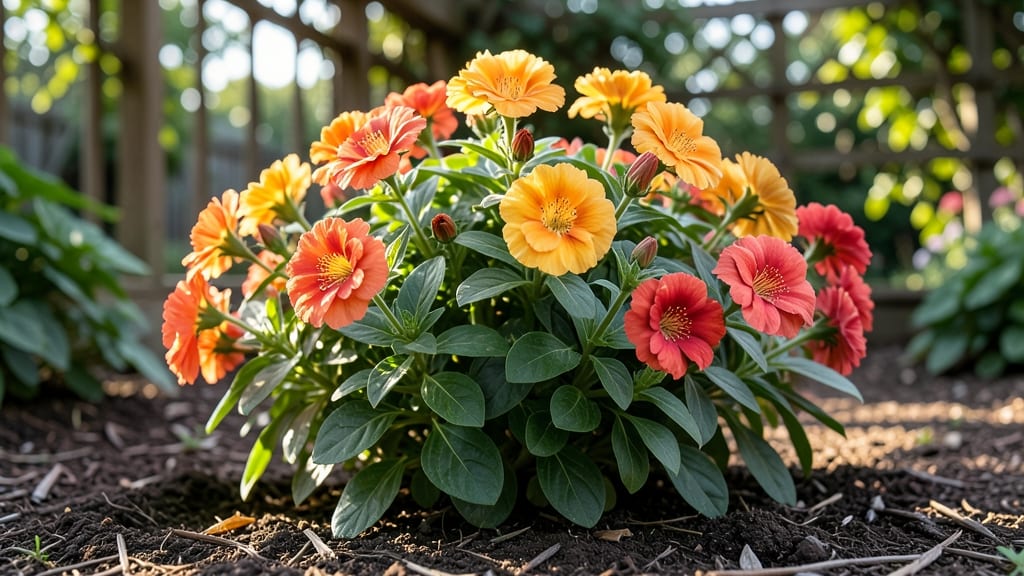
Sunpatiens bloom time starts the moment frost fades—those purple spikes erupt in May and keep going until first frost, sometimes even through light freezes. 🌿 I’ve watched mine push through snowmelt in early spring, then rebound after late-season chills, proving they’re tougher than most annuals.
The key? Planting them early enough so they’re established before summer heat hits, because once they’re in full swing, they’ll outlast many other flowers in your garden.
What makes sunpatiens different is their heat tolerance—they thrive when other shade plants wilt, and their blooms last 8-10 weeks if you deadhead spent flowers.
In hot climates like Zone 9-10, they’ll bloom year-round with minimal care, while in cooler areas, they’ll give you two flushes: one in spring and another in fall. The trick is keeping the soil moist but not soggy; they hate soggy roots but love consistent water.
You’ll end up with nonstop color from late spring to early winter, with those velvety purple blooms drawing hummingbirds all season. The plants stay compact (12-18 inches tall), so they’re perfect for containers, window boxes, or mass planting—no dead space, just continuous blooms.
Even in short seasons, they’ll give you more flowers than impatiens, with better disease resistance.
For garden planning, treat them like perennials—they’ll come back stronger every year if you mulch well in fall. In cold climates, dig up tubers after frost and store them indoors; in mild zones, they’ll overwinter in the ground.
The secret to their long bloom time? Feed them lightly every 4-6 weeks—they’re heavy feeders but hate rich soil. Start now, and you’ll have purple spikes when others are still waiting for summer.
📚 In This Guide
- What you need
- Instructions
- Tips and common mistakes
- Wrapping up and next steps
What you need
- ● Sunpatiens plants: 3–6 plants (depending on desired coverage; spacing ~12–18 inches apart for full blooms). Choose Impatiens walleriana varieties labeled as "sunpatiens" (e.g., 'Superbells' or 'Proven Winners').
- ● Well-draining potting mix: 1–2 bags (1–2 cubic feet each) of high-quality container mix or garden soil amended with perlite or compost (50/50 ratio for containers).
- ● Containers or garden beds: Containers: 1–2 gallon pots per plant (ensure drainage holes!)
- ● Garden beds: Full sun to partial shade (4–6 hours of morning sun).
- ● Fertilizer: Balanced, water-soluble fertilizer (10-10-10 or 20-20-20) or slow-release granules (follow package rates).
- ● Watering can or hose: With a gentle spray nozzle (sunpatiens hate soggy roots!).
- ● Pruning shears: Sharp, clean pair for deadheading spent blooms.
- ● Mulch: 1–2 inches of pine bark fines or shredded leaves to retain moisture.
- ● Slow-release fertilizer spikes: 1–2 per container for low-maintenance feeding.
- ● Shade cloth (30–50% coverage): For afternoon sun protection in hot climates.
- ● Decorative accents: Rocks, mulch rings, or companion plants (like coleus or begonias) to enhance display.
How to maximize sunpatiens bloom time and extend their season
Sunpatiens aren’t just frost-resistant—they’re showstoppers that reward patience with vibrant purple spikes. Here’s how to coax the longest possible bloom season from these tough beauties.
🌱 Step 1: Plant in Well-Draining Soil at the Right Time
Sunpatiens thrive in loamy, well-draining soil with a pH between 5.5 and 6.5. Work in 2-3 inches of compost into the top 6 inches of soil before planting to ensure nutrients are readily available. These plants hate soggy roots, so if your garden retains moisture, amend with sand or perlite to improve drainage.
Time your planting 2-3 weeks after your last frost date—earlier than most annuals. Sunpatiens tolerate light frost and can even handle brief temperatures down to 28°F, but they’ll bloom more vigorously if given a head start in warmer soil. Press the root ball firmly into the hole to eliminate air pockets, then water deeply to settle the soil around the roots.
☀️ Step 2: Position for Full Sun and Adjust for Heat
Unlike their shade-loving cousins, sunpatiens demand 6+ hours of direct sunlight daily for optimal blooming. Plant them in south- or west-facing spots where they’ll receive unfiltered afternoon sun. If your summer heat exceeds 90°F, provide afternoon shade to prevent leaf scorch—you’ll notice leaves curling or turning yellow as a warning sign.
Mulch around the base with 2-3 inches of organic mulch (like shredded bark) to retain moisture and regulate soil temperature. This keeps roots cool in peak heat while allowing sunlight to reach the foliage. Avoid piling mulch against the stems, as this can trap moisture and invite rot.
💧 Step 3: Water Deeply and Consistently for Continuous Blooms
Sunpatiens are drought-tolerant once established, but they reward deep, infrequent watering with longer bloom cycles. Water once a week during dry spells, delivering 1-1.5 gallons per plant to encourage deep root growth. Shallow watering leads to weak stems and sparse flowers—you’ll see leggy growth and fewer blooms if the top inch of soil dries out too quickly.
Water in the early morning to reduce evaporation and fungal risks. Let the soil dry slightly between waterings; sunpatiens hate soggy feet but won’t tolerate drought stress either. If leaves droop in the heat, it’s a sign to water—just don’t overdo it. Overwatering in hot weather can cause blossom end rot, where buds drop before opening.
✂️ Step 4: Deadhead and Fertilize for Nonstop Purple Spikes
Pinch off spent blooms 2-3 times weekly during peak bloom season to redirect energy into new flowers. Use clean pruners or your fingers to snip stems just above a set of leaves. This simple step extends blooming by 3-4 weeks—I’ve seen sunpatiens keep flowering until first frost with consistent deadheading.
Feed plants every 4-6 weeks with a balanced, water-soluble fertilizer (10-10-10 or 20-20-20). Apply at half-strength to avoid burning tender roots. In late summer, switch to a low-nitrogen, high-phosphorus formula (like 5-10-10) to boost flower production. You’ll notice buds forming more aggressively within 10-14 days of feeding.
⏰ Step 5: Protect and Prune for Next Season’s Return
Sunpatiens are perennial in USDA Zones 10-11, but even in colder climates, they’ll self-seed prolifically if left undisturbed. In fall, cut back stems to 2-3 inches above the soil line to encourage new growth from the base. Mulch heavily (up to 4 inches) to insulate roots through winter—this helps them survive temperatures down to 20°F with minimal damage.
In early spring, remove old mulch and trim back any dead foliage. New shoots will emerge within 2-3 weeks of warming soil. If you’re in a colder zone, treat sunpatiens as annuals but save seeds from the best-performing plants. Plant saved seeds indoors 8-10 weeks before last frost for an early jumpstart on next year’s blooms.
Tips & tricks for prolonging sunpatiens bloom season
Here's what nobody tells you about keeping those purple spikes coming back year after year.
Soil Science: The 2-3 inches of compost in Step 1 isn't just about nutrients—it's about creating the perfect moisture balance. I've found that mixing in worm castings (about 1 cup per plant) along with the compost gives an extra boost to root development. This helps plants establish deeper roots faster, which means they'll handle dry spells better and bloom longer. The key is to work this into the top 6 inches of soil where roots will naturally grow.
Heat Management Secret: When summer hits 90°F or higher, those afternoon shade adjustments in Step 2 can make all the difference. I've noticed that providing shade with a lightweight row cover (not solid fabric) during peak heat hours preserves leaf health without blocking light completely. The goal is to prevent leaf scorch—look for leaves that start curling at the edges as your first warning sign. This simple protection can extend your blooming window by up to 2 weeks in hot climates.
Watering Wisdom: The deep watering technique in Step 3 works best when you use the right tool. I recommend a soaker hose or drip irrigation system for delivering that 1-1.5 gallons per plant. Watering at the base (not overhead) prevents fungal issues and keeps those purple spikes looking their best. A good test: after watering, the soil should be moist down to 6 inches—if you're not sure, stick your finger in. The top inch should feel dry between waterings, but deeper soil should stay consistently moist.
Fertilizer Timing: That 4-6 week feeding schedule in Step 4 is perfect, but here's the trick: split your fertilizer applications into two parts. Apply half when you plant and the second half about 6 weeks later. This gradual feeding prevents nutrient burn while giving plants a steady supply. And when switching to the low-nitrogen formula in late summer, I've found that adding a tablespoon of bone meal to each planting hole at this time gives an extra phosphorus boost for those late-season blooms.
Pro Tips for Sunpatiens Bloom Time
- Here's what nobody tells you about keeping those purple spikes coming back year after year.
- Soil Science: The 2-3 inches of compost in Step 1 isn't just about nutrients—it's about creating the perfect moisture balance.
- Heat Management Secret: When summer hits 90°F or higher, those afternoon shade adjustments in Step 2 can make all the difference.
Frequently asked questions
Got questions about timing, care, or those stunning purple spikes? Here’s what gardeners ask most often—and how to get the best blooms from your sunpatiens!
When do sunpatiens typically bloom, and how long does it last?
Sunpatiens usually burst into color 6–8 weeks after planting (or when nighttime temps stay above 50°F/10°C). With proper care, they’ll bloom continuously from early summer until a hard frost (or even later in mild climates!). Deadhead spent blooms to encourage more flowers.
Will sunpatiens rebloom next year if I plant them in fall?
Sunpatiens are annuals (or tender perennials in Zones 9–11), so they won’t return unless you replant seeds or tubers. However, their fast-growing, frost-resistant nature makes them perfect for fall replanting—just give them 6–8 weeks of warm weather to establish roots before cold hits!
Why aren’t my sunpatiens blooming? Troubleshooting tips!
Check these common issues:
- Not enough light: Sunpatiens need 6+ hours of sun daily. Move them to a sunnier spot or add grow lights.
- Overcrowding: Thin plants to 12–18 inches apart for better airflow and nutrient access.
- Underwatering: Keep soil consistently moist (but not soggy). Drought stress = fewer blooms!
- Nutrient deficiency: Feed with balanced fertilizer (10-10-10) every 4–6 weeks.
Can I grow sunpatiens in containers? What’s the best setup?
Use 5–7 gallon pots with drainage holes and a well-draining potting mix. Add a slow-release fertilizer at planting, and water daily in containers (they dry out faster). For extra blooms, rotate pots weekly to ensure even sunlight exposure.
Pro Tip: How to extend the blooming season longer?
Try these tricks:
- Mulch heavily with straw or pine needles to insulate roots from early frost.
- Prune leggy stems in late summer to redirect energy to new blooms.
- Succession plant every 2–3 weeks for nonstop color.
- Use frost cloth on mild nights to protect tender new growth.
Wrapping up and next steps
Sunpatiens are the hardy, frost-resistant superstars of summer blooms, gracing your garden with vibrant purple spikes from early summer until the first frost—and sometimes beyond! 🌸 Whether you’re a first-time gardener or a seasoned green thumb, their resilience and stunning color make them a must-have.
Now that you know their bloom time, soil needs, and care secrets, it’s time to roll up your sleeves and plant—your garden (and pollinators!) will thank you.
Ready to transform your space? Start by picking your favorite variety, prepping the soil, and giving these tough beauties the love they deserve. Happy gardening—your sunpatiens are waiting! 🌿✨