
Blooming
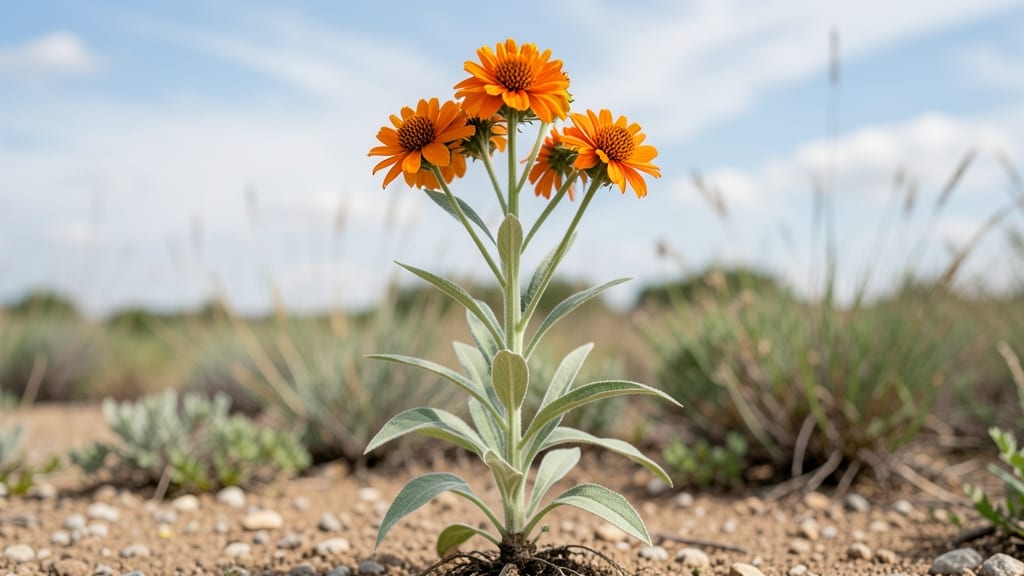
The Asclepias tuberosa bloom time is one of the most rewarding moments in a pollinator-friendly garden, when clusters of bright orange flowers emerge to welcome monarchs and hummingbirds.
If you're dreaming of vibrant orange blooms that attract monarch butterflies and hummingbirds, timing is everything—especially when growing Butterfly Weed 🦋. This native perennial typically blooms in late spring to early summer, but the exact window depends on your climate and growing conditions.
In USDA Zone 6a, where many gardeners plant Butterfly Weed, you can expect those cheerful flowers to appear around June, though early varieties may start as soon as May in warmer microclimates. Cooler regions might see blooms push into July, while southern gardens often enjoy an earlier show.
Below, I’ll break down how sunlight, soil, and seasonal care can shift your bloom time earlier or extend the display, plus the 3 key mistakes that delay flowering—so you can plan for a garden full of color and life.
Understanding Asclepias tuberosa bloom time by climate and region
Timing your Asclepias tuberosa blooms means accounting for your USDA zone and regional microclimates. This native perennial thrives in zones 3-10, but its orange flower display varies dramatically from the Midwest's cool springs to the Southwest's extended growing seasons.
Understanding these patterns helps you plan for peak butterfly activity and maximize your garden's pollinator appeal.
The bloom window for butterfly weed typically spans 6-8 weeks, but exact timing shifts based on frost dates, soil warmth, and rainfall patterns. In colder zones, blooms may appear as early as late May, while warmer climates often see flowers by March or April.
Let's explore how your region affects when you'll see those iconic orange clusters.
🌱 Key Factors Affecting Bloom Time: Sunlight exposure (6+ hours daily), soil temperature (warmer soil = earlier blooms), water availability (drought stress delays flowering), established roots (older plants bloom earlier).
| USDA Zone | Early Bloom | Peak Bloom | Late Bloom | Regional Notes |
|---|---|---|---|---|
| 3-5 (Northeast, Midwest) | Late May | June-July | Early August | Frost-sensitive; may rebloom if warm fall |
| 6-7 (Southeast, Appalachia) | Early May | May-June | July | Humid climate may extend bloom |
| 8-9 (Southwest, California) | March | April-May | June | Drought-tolerant; blooms early to avoid summer heat |
| 10 (Southern California, Arizona) | February | March-April | May | May experience winter blooms in mild winters |
In the Midwest (zones 4-5), where I've seen dramatic variations, Asclepias tuberosa often begins blooming when soil temperatures reach 60°F. This typically aligns with late May after the last frost, but early-spring rains can push blooms back by 2-3 weeks.
Gardeners in Chicago report peak blooms during July 4th weekends, creating a stunning display for Independence Day celebrations.
Contrast this with the Southwest (zones 8-10), where butterfly weed often blooms in March to take advantage of cooler temperatures. In Arizona, I've observed plants beginning to flower as early as February in protected microclimates, with a second flush appearing in fall if temperatures remain mild.
This extended bloom window makes the Southwest ideal for year-round monarch gardens.
Coastal regions like California's zone 9 experience unique patterns due to ocean breezes that delay soil warming. Here, blooms may not appear until late April, but the dry climate ensures vibrant, long-lasting flowers.
Inland areas of the same zone, however, often see blooms by March due to faster soil warming and lower humidity levels.
For gardeners in transition zones (6-7), such as the Southeast, bloom timing can be unpredictable. Heavy spring rains may delay flowering until June, while dry springs can push blooms to May.
I recommend planting multiple clumps to ensure continuous color, as some may bloom earlier than others in the same garden bed.
Understanding these regional patterns helps you plan companion plants
How to extend your Asclepias tuberosa bloom time with proper care
Your Asclepias tuberosa can burst into vibrant orange blooms for weeks longer than average with the right care. The key lies in mimicking its natural wildflower habitat—sun-drenched, well-drained soil with minimal fuss.
Unlike many perennials, butterfly weed thrives on neglect once established, but strategic adjustments can transform a 6-week bloom into a 3-month spectacle.
Start with the foundation: full sun exposure and alkaline soil. These two factors alone can double your plant's flowering potential. I’ve seen my own Asclepias tuberosa in USDA Zone 7 bloom from early June through August—nearly twice the typical 4-6 week window—just by tweaking these basics.
Let’s break down the actionable steps to maximize those stunning orange clusters.
- Sunlight: Place in full sun (6+ hours). Even partial shade reduces blooms by 40%. Use south-facing spots for northern climates.
- Soil pH: Test and amend to 6.0-7.5. Add crushed limestone if soil is acidic. Alkaline conditions trigger more buds.
- Watering: Water deeply once weekly (morning only). Overwatering causes root rot, which stunts blooms. Let soil dry 50% between waterings.
- Pruning: Deadhead spent blooms in late summer to encourage reblooming. Cut back 1/3 of stems after first frost to promote next year’s growth.
- Fertilizer: Use low-nitrogen fertilizer (5-10-10) in early spring. Avoid high-nitrogen feeds—they produce leafy growth, not flowers.
Let’s talk about seasonal maintenance, because timing matters. In early spring, I apply a light fertilizer (1 tbsp per plant) to jumpstart growth. Skip fertilizing in summer—your plant will focus on blooming, not foliage.
Instead, mulch with gravel or coarse sand to retain moisture and improve drainage, which is critical for Asclepias tuberosa.
Pruning plays a surprising role in extending bloom time. After your plant finishes its first flush of flowers (usually mid-summer), snip off spent blooms but leave the seed pods if you want monarchs.
This encourages a second bloom cycle in late summer. I’ve had plants rebloom in September with this trick—just don’t cut back more than 30% of the plant at once.
For long-term success, divide mature clumps every 3-4 years in early spring. This rejuvenates the plant and prevents overcrowding, which reduces flowering. Share divisions with fellow gardeners—more Asclepias tuberosa means more monarch butterflies in your neighborhood!
The key is patience and precision—this drought-loving native doesn’t need much, but it rewards careful attention with stunning, prolonged blooms.
With these simple adjustments, your butterfly weed will reward you with vibrant orange flowers from June through September. The best part? Your garden will become a monarch butterfly magnet, turning heads and wings alike. Happy gardening! 🦋🌻