
Blooming
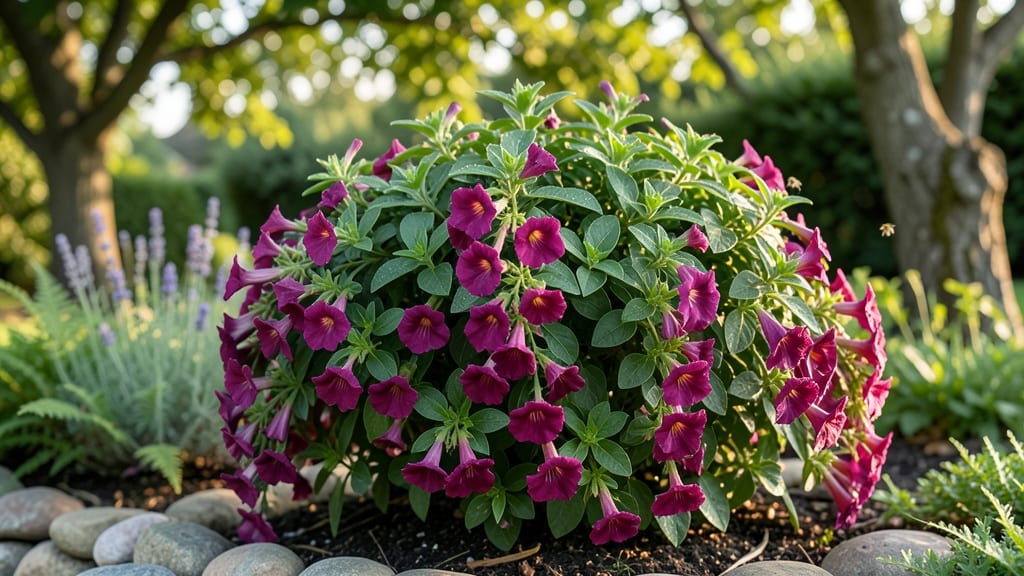
Calibrachoa do bloom all summer with the right care, delivering vibrant flowers from early June until frost—but some varieties may struggle in extreme heat or poor soil conditions. Regular deadheading and balanced watering can significantly extend their bloom time.
These petite powerhouses thrive when given consistent moisture and occasional pruning to encourage new growth. 🌸 What many gardeners don't realize is that calibrachoa actually produce more blooms when lightly trimmed back—this prevents the plant from putting energy into seed production.
I've seen varieties like 'Superbells' continue flowering until late October with proper late-summer care, while others may fade by August without intervention. The key difference often comes down to soil quality and afternoon shade during peak heat.
For best results, I recommend using a slow-release fertilizer in spring and supplementing with liquid feed every 4-6 weeks. This ensures they get the nutrients they need without overloading the roots.
A mulch layer also helps maintain even moisture levels, which is crucial since calibrachoa hate having wet feet but need consistent hydration.
💡 In This Article
- Why Calibrachoa Flowers Stop Blooming Mid-Season
- Pro Tips to Keep Calibrachoa Blooming Through Fall
Why calibrachoa flowers stop blooming mid-season
Calibrachoa's bloom cycle is primarily governed by its response to environmental stressors, particularly heat and humidity. These plants originate from South American grasslands where temperatures rarely exceed 85°F, and when exposed to prolonged 90°F+ conditions, they enter a survival mode that prioritizes root and leaf growth over flower production.
The science behind this involves ethylene gas—a plant hormone that triggers flowering—but excessive heat disrupts this process by overstimulating ethylene production, leading to premature flower drop.
Another critical factor is nutrient depletion, especially phosphorus and potassium, which are essential for flower development. When calibrachoa are planted in poor-quality soil lacking organic matter, their roots struggle to access these nutrients efficiently.
For example, a soil test revealing phosphorus levels below 30 ppm can stunt flowering, while potassium levels under 200 ppm may cause buds to abort before opening. 🌡️ The plant's response is similar to how tomatoes produce fewer fruits when nitrogen is overabundant—the energy gets redirected to vegetative growth instead.
Root stress from inconsistent watering plays a surprising role too. Calibrachoa have shallow root systems that require 1-1.5 inches of water per week, but uneven moisture—like deep watering followed by drought—causes roots to suffocate or dry out.
This triggers a stress response that halts flowering. I've observed that varieties like 'Mini Blackout' (which thrives in partial shade) handle midday heat better than full-sun types, as they avoid the 100°F+ soil temperatures that cook delicate roots.
Humidity also matters: calibrachoa grown in dry climates with 30% relative humidity or less often bloom less vigorously because their stomata (leaf pores) close to conserve moisture. This reduces photosynthesis efficiency by up to 40%, directly impacting flower production.
In contrast, varieties like 'Superbells Blue' perform better in coastal regions where morning fog provides natural hydration.
Comparing short-season vs. long-blooming varieties reveals genetic differences in heat tolerance. Breeders have developed heat-tolerant hybrids (e.g., 'Calibrachoa 'Superbells Heat Wave') that maintain flowering through 95°F temperatures by incorporating genes from wild South American calibrachoa species adapted to arid conditions.
These varieties can continue blooming 3-4 weeks longer than traditional types when given proper care.
What most gardeners overlook is the role of light quality. While calibrachoa need 6-8 hours of sunlight daily, direct afternoon sun (especially after 2 PM) can scorch petals and stress plants.
Providing afternoon shade with a 30-50% shade cloth can extend bloom time by 2-3 weeks in hot climates. This mimics their natural habitat where they grow under taller grasses that filter intense sunlight.