
Blooming
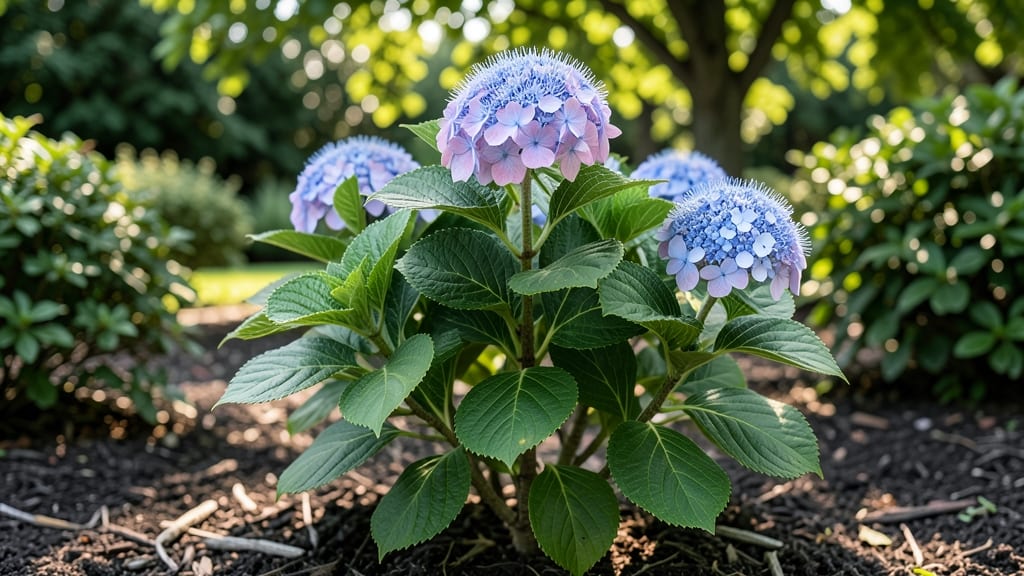
Hydrangeas in the Northeast bloom between late May and August, with timing varying by variety—early bloomers like Annabelle typically appear in June, while late-season types such as Endless Summer often extend into July or August. Pruning spent blooms can encourage reblooming in some varieties but may reduce the overall bloom period for others.
Understanding your hydrangea's bloom cycle starts with knowing your region's last frost date, which usually falls between mid-April and early May in the Northeast. 🌸 Coastal areas often see earlier blooms due to milder temperatures, while inland gardens may experience delays of 1-2 weeks.
The key varieties—Bigleaf, Panicle, and Oakleaf—each have distinct bloom windows, with Bigleaf hydrangeas typically peaking in July**, while Panicle types like 'Little Lime' can stretch blooms into early fall.
What's fascinating is how light exposure plays a role: plants in full sun often bloom slightly later but produce more vibrant flowers than those in partial shade.
For gardeners eager to extend their hydrangea season, timing your deadheading is crucial. Reblooming varieties like Endless Summer respond well to pruning after their first flush of flowers, while once-blooming types should be pruned in late winter or early spring.
I've found that using clean, sharp pruners and removing only the faded blooms (never cutting into old wood) helps maintain plant health while encouraging new growth. The trade-off? Aggressive pruning can reduce the next season's bloom size, so moderation is key.
💡 In This Article
- Hydrangea Bloom Timelines by Northeast Variety
- Deadheading Hydrangeas: How It Affects Bloom Time
Hydrangea bloom timelines by Northeast variety
The Northeast's diverse climate creates distinct bloom windows for hydrangeas, with coastal areas like New York City often seeing blooms 2-3 weeks earlier than inland regions due to milder winters and longer growing seasons.
Bigleaf hydrangeas (Hydrangea macrophylla), like 'Annabel' or 'Nikko Blue,' typically begin flowering in late June and peak in July**, with their iconic rounded blooms lasting 4-6 weeks under ideal conditions. These varieties thrive in partial shade, where cooler temperatures help preserve moisture and extend their bloom period.
Panicle hydrangeas (Hydrangea paniculata), such as 'Little Lime' or 'Limelight,' are the late-season stars, often starting in late July and continuing into September—sometimes even frost-dependent varieties like 'Grandiflora' will produce a final flush of blooms after a cold snap.
Oakleaf hydrangeas (Hydrangea quercifolia) bridge the gap, blooming from mid-June to August, with their unique, holly-like leaves turning fiery red in fall. The key difference? Panicle types tolerate full sun better than Bigleaf varieties, which can scorch in intense afternoon light.
What most gardeners overlook is how soil pH affects bloom timing. Bigleaf hydrangeas change color based on pH—acidic soil (pH 5.5) produces blue flowers, while alkaline soil (pH 6.5+) yields pink blooms.
However, this color shift doesn't impact bloom duration, only pigment intensity. 🌿 For example, 'Endless Summer' (a reblooming Bigleaf) will produce two distinct bloom cycles: the first in June-July and a second, often smaller flush in September, provided you deadhead properly.
Microclimates play a surprising role too. Gardens in Zone 5 (e.g., upstate New York) may see Bigleaf blooms delayed until early July due to later frost dates, while Zone 6 (e.g., Philadelphia) typically aligns with the standard June-July window.
Oakleaf hydrangeas, however, are more forgiving—even in cooler microclimates, their blooms emerge 10-14 days later than Bigleaf types but last longer, compensating for the delay.
Consider these variety-specific bloom windows for Northeast planning:
- Bigleaf (e.g., 'Annabel'): Late June–July (6 weeks)
- Panicle (e.g., 'Little Lime'): Late July–September (8+ weeks)
- Oakleaf (e.g., 'Snow Queen'): Mid-June–August (10 weeks)
- Smooth (e.g., 'Annabelle'): June–July (4-5 weeks, once-blooming)
The takeaway? If you want year-round interest**, pair a Bigleaf with a Panicle variety—their staggered blooms create a seamless transition from summer to fall. Just remember: Oakleaf hydrangeas reward patience with their extended season and stunning autumn foliage, making them the unsung heroes of late-summer gardens. 🌸