
Blooming
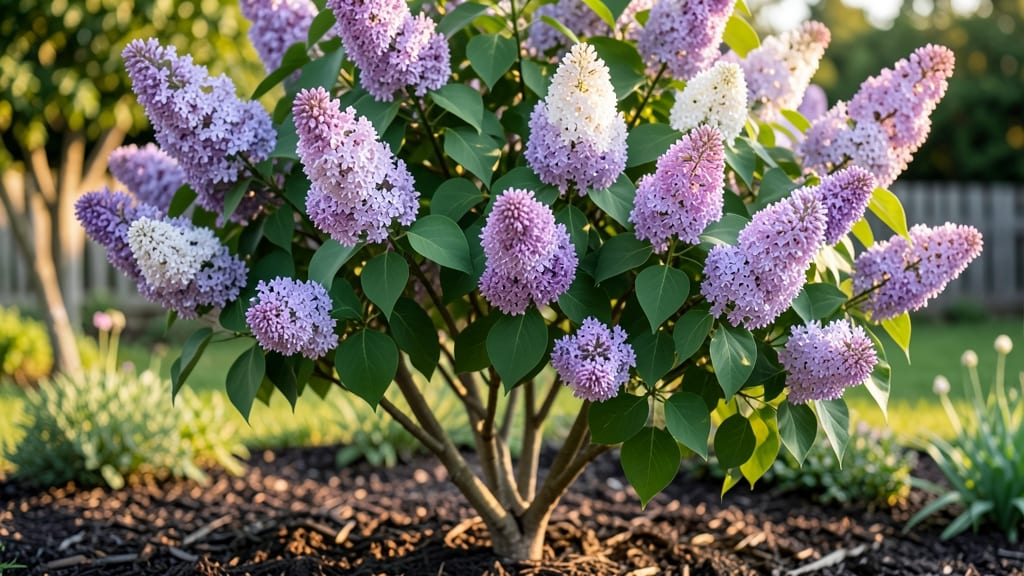
Lilacs bloom every year in spring, with most varieties producing one main flush of flowers annually, though reblooming hybrids like 'Bloomerang' can produce a second bloom in summer with proper care.
Most lilacs follow a predictable spring blooming cycle triggered by winter chilling hours and increasing daylight. 🌸 The classic Syringa vulgaris (common lilac) typically blooms once per year, while newer hybrids like 'Bloomerang' have been bred to produce a second flush later in the season.
What sets reblooming varieties apart is their ability to respond to specific care practices—like strategic pruning and balanced fertilization—that encourage new growth after the first bloom.
This annual cycle isn't just about timing; it's also tied to the plant's energy reserves. Lilacs store nutrients in their roots and stems during dormancy, which they use to fuel spring blooms.
Reblooming hybrids have been selectively bred to redirect some of these reserves toward a second flowering period, but they still require consistent care to maintain this extra production. Understanding your specific variety's tendencies helps you manage expectations and care routines accordingly.
💡 In This Article
- Lilac Blooming Cycles: Variety Differences and Seasonal Triggers
- Pruning and Care Tips to Encourage Lilac Reblooms
Lilac blooming cycles: variety differences and seasonal triggers
The blooming cycle of lilacs is primarily governed by their biological need for winter chilling hours—typically 500-1,000 hours below 45°F—which signals the end of dormancy and triggers spring growth.
Common lilacs like Syringa vulgaris rely entirely on this chilling period to produce one main bloom in late spring, usually between April and May, depending on your climate zone.
This single flush is nature's way of ensuring the plant conserves energy, as each flower cluster requires significant resources to develop.
Reblooming hybrids, however, have been genetically modified to respond differently to seasonal cues.
Varieties like 'Bloomerang' or 'Dart's Little Dot' produce their first bloom in spring, just like common lilacs, but they're bred to react to summer heat and long daylight hours (typically after June 21st) by generating new flower buds.
This second bloom occurs because these hybrids have been selected for their ability to store additional energy reserves and respond to the hormonal signals triggered by warmer temperatures and increased sunlight. The trade-off? They often produce smaller, less abundant flowers in the second bloom compared to the spring display.
The key difference lies in how these varieties manage their energy budget. Common lilacs prioritize one spectacular spring display, while reblooming hybrids allocate some resources to a secondary bloom—but this requires careful management.
For example, if a reblooming lilac doesn't receive at least 6-8 hours of direct sunlight daily, it may skip the summer bloom entirely.
Similarly, inconsistent watering or nutrient deficiencies can disrupt the plant's ability to produce the second flush. 🌿 This is why gardeners in warmer climates (zones 7-9) often see more reliable reblooming than those in colder regions where summer temperatures may not provide the necessary stimulus.
Another critical factor is the plant's age. Young lilacs (under 3 years old) typically focus all their energy on establishing root systems and may produce minimal or no flowers. Even mature plants can experience off-years where environmental stressors like drought, extreme heat waves, or poor soil quality reduce flowering.
For instance, during the 2021 Pacific Northwest heat dome, many lilacs in Oregon and Washington failed to rebloom due to prolonged temperatures exceeding 100°F, which stressed the plants beyond their adaptive capacity.
Soil conditions also play a surprising role. Lilacs thrive in well-draining soil with a pH between 6.0 and 7.5, but reblooming varieties are particularly sensitive to soil fertility.
A balanced 10-10-10 fertilizer applied in early spring can boost the first bloom, but too much nitrogen after the first flush can actually inhibit the development of summer buds. This is because excess nitrogen promotes leafy growth at the expense of floral initiation.
The ideal approach is to use a low-nitrogen, high-phosphorus fertilizer (like 5-10-10) after the first bloom to encourage flower bud formation for the second cycle.
Finally, regional climate patterns create dramatic variations in blooming behavior. In USDA Zone 5, lilacs often bloom earlier (March-April) because they receive their required chilling hours sooner, while in Zone 9, they may wait until May.
Reblooming hybrids in Zone 9 sometimes produce their second bloom in late August or September, taking advantage of the extended growing season. Understanding these regional nuances helps gardeners set realistic expectations and adjust their care routines accordingly.