
Blooming
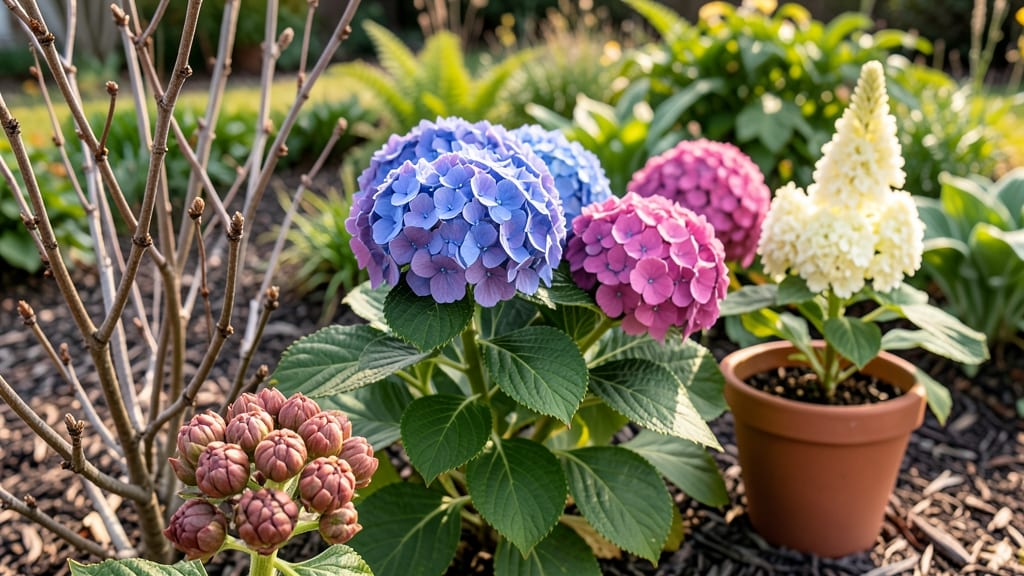
Hydrangeas do bloom every year, but whether they produce abundant flowers depends entirely on their type, growing conditions, and how you care for them—some varieties rely on last year's growth to flower, while others bloom on fresh new stems.
Hydrangeas aren't one-size-fits-all when it comes to blooming habits. The key difference lies in their growth patterns: old-wood bloomers (like bigleaf varieties) set buds on stems from the previous year, so harsh winters or improper pruning can mean no flowers.
Meanwhile, new-wood bloomers (such as panicle types) produce flowers on current season's growth, giving you more flexibility for pruning. 🌸 Climate plays a huge role too—cold winters help some varieties set buds, while others need consistent moisture and balanced soil pH to thrive year after year.
For consistent blooms, timing is everything. I've found that late summer pruning works best for new-wood types, while old-wood varieties should only be trimmed after they've finished blooming.
Adjusting soil pH between 5.2 and 6.0 can also dramatically improve flower production, as hydrangeas are particularly sensitive to aluminum availability in the soil. The right care makes all the difference between a sparse display and a lush, colorful show every season.
💡 In This Article
- Hydrangea Flowering Types: Old Wood vs New Growth
- Year-Round Hydrangea Care Tips for Consistent Blooms
Hydrangea flowering types: old wood vs new growth
The secret to understanding why some hydrangeas bloom reliably each year lies in their growth habits. Old-wood bloomers (like the iconic mophead hydrangeas) set their flower buds on stems that grew the previous season.
These buds form in late summer and early fall, then remain dormant through winter—only opening into blooms the following spring. If winter temperatures drop below -10°F or you prune too aggressively in spring, those buds die, and you'll get no flowers that year.
In contrast, new-wood bloomers (such as panicle hydrangeas) produce flowers on current season's growth. These varieties form buds in spring from fresh stems, giving gardeners more flexibility for pruning.
For example, 'Limelight' panicle hydrangeas can be pruned back hard in late winter without sacrificing blooms, while old-wood types like 'Endless Summer' (a hybrid) can rebloom on both old and new wood if cared for properly. This biological difference explains why some hydrangeas seem to skip years entirely.
Climate zones play a crucial role in this process. In colder regions (USDA zones 3-5), old-wood varieties often need winter protection—like wrapping the crown with burlap or using mulch—to survive freezing temperatures that could kill next year's flower buds.
Meanwhile, new-wood types thrive in these same zones because their buds form after the last frost. The snow cover acts as natural insulation, helping both types survive, but the timing of bud formation is what creates the blooming differences.
Here's what happens under the surface: Flower buds contain meristem cells that differentiate into either vegetative growth or reproductive structures (flowers) based on hormonal signals and temperature cues.
For old-wood types, these signals must occur in late summer when days shorten—if summer heat persists too long, bud formation gets delayed or fails entirely. This is why some gardeners in warm climates (zones 7-9) report their old-wood hydrangeas blooming less reliably than cooler regions.
Consider the 'Annabelle' hydrangea, a new-wood type that produces massive white blooms. It can be pruned back to the ground in late winter because its flower buds form on fresh growth that emerges in spring.
Compare this to a 'Nikko Blue' (old-wood), where aggressive pruning removes last year's flower buds before they can develop—resulting in no blooms that season. The difference isn't just in pruning timing but in the plant's fundamental biology.
What most gardeners don't realize is that even some "old-wood" varieties have been bred to rebloom. The 'Endless Summer' series, for example, can produce flowers on both old and new wood, giving it more forgiving blooming habits.
This hybrid technology has revolutionized hydrangea gardening by combining the lush blooms of old-wood types with the flexible pruning of new-wood varieties. 🌸
The takeaway? Understanding your hydrangea's growth type is the first step to consistent annual blooms. For old-wood varieties, patience and careful pruning are essential—never trim back until after they've finished blooming in summer. New-wood types offer more freedom but still require proper timing to maximize flower production.
Both types benefit from consistent moisture and balanced soil nutrients, but the key difference lies in when and how those flower buds form.