
Blooming
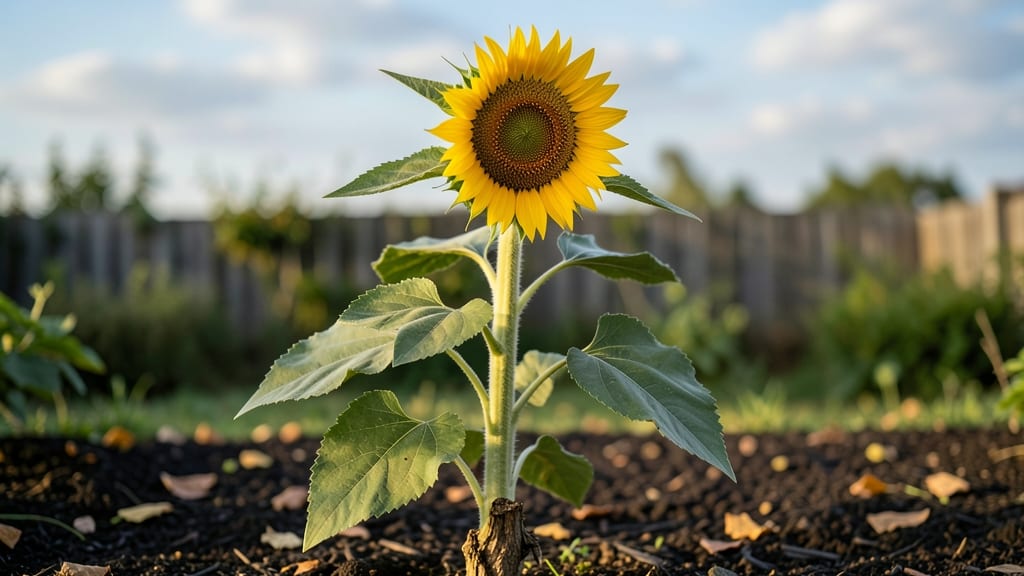
Spring-blooming sunflowers exist but are limited to specific dwarf varieties like 'Teddy Bear' or 'Moulin Rouge,' while most sunflowers prefer late summer to fall blooming, needing 80-120 frost-free days to reach full flower. Your planting success depends entirely on choosing the right cultivar for your climate zone.
Not all sunflowers follow the same schedule—it really comes down to the variety. 🌻 The spring-blooming types like 'Teddy Bear' are bred specifically to flower early, often reaching their peak in late May or June, while traditional varieties like 'Russian Giant' won't even think about blooming until late July or August.
This difference isn't just about timing; it's also about their growth habits. Dwarf varieties mature faster with shorter stems, while the giants need that extra time to build their impressive height and flower heads.
If you're in a cooler climate zone (like USDA zones 3-5), you'll want to focus on those spring varieties—they'll bloom before summer heat arrives.
Meanwhile, gardeners in warmer zones (7-10) can grow both types, though the summer/fall bloomers will give you those iconic giant sunflowers that make such dramatic statements in late-season gardens.
💡 In This Article
- Sunflower Bloom Seasons by Variety
- How to Grow Spring-Blooming Sunflowers
Sunflower bloom seasons by variety
The key difference between spring-blooming sunflowers and their summer/fall counterparts lies in their genetic growth cycles. Spring varieties like 'Teddy Bear' (mature height 2-3 feet) and 'Moulin Rouge' (reaching 3-4 feet) are bred with shorter day-length sensitivity.
These cultivars trigger flowering when day lengths reach 14-15 hours, typically occurring in late May to early June in most temperate zones. Their growth period is compressed to 60-75 days from seed to bloom, making them perfect for early-season gardens.
In contrast, traditional varieties like 'Russian Giant' or 'Mammoth' require 16-18 hours of daylight to initiate flowering, which doesn't happen until late summer. These giants need 100-120 frost-free days to complete their growth cycle, with stems reaching 10-12 feet and flower heads up to 16 inches in diameter.
The botanical mechanism involves photoperiodism—how plants respond to daylight length—which explains why these varieties bloom later when days are longest.
Climate plays a crucial role in determining which varieties will thrive. Spring-blooming types excel in cooler regions (USDA zones 3-6) where summer heat might stress taller varieties. Their compact size also makes them ideal for containers or small gardens.
Meanwhile, summer/fall varieties dominate in warmer zones (7-11) where they can take full advantage of extended growing seasons. The temperature threshold for optimal growth sits around 70-85°F—below 50°F or above 90°F can stunt flowering.
Here's what you need to know about the visual differences: Spring varieties produce smaller, more numerous blooms with vibrant colors (often red, orange, or yellow), while summer varieties showcase those iconic golden-yellow heads that can reach 12+ inches across.
The petals of spring types are typically 1-2 inches wide, while summer giants develop 3-4 inch petals. This size difference isn't just aesthetic—it reflects their different pollination strategies and energy allocation patterns.
What most gardeners don't realize is how soil fertility affects bloom timing. Spring varieties perform best in moderately fertile soil (pH 6.0-7.0) with 1-2 inches of water per week, while summer giants benefit from higher phosphorus levels to support their massive flower structures.
The root systems develop differently too: spring types have shallow, fibrous roots (ideal for containers), while summer varieties develop deep taproots that can reach 3-4 feet underground.
Consider these key factors when choosing varieties for your garden:
- Garden space: Spring types fit containers or small plots while summer giants need 6+ feet of clearance
- Bloom duration: Spring varieties flower for 4-6 weeks while summer types extend blooming to 8-10 weeks
- Pollinator appeal: Both attract bees, but summer varieties provide more nectar for late-season pollinators
The color spectrum also varies significantly—spring types often feature bicolors or deep reds while summer varieties stick to classic golden-yellow. This color difference stems from different anthocyanin concentrations in the petals, which affects both appearance and UV protection mechanisms. 🌻