
Blooming
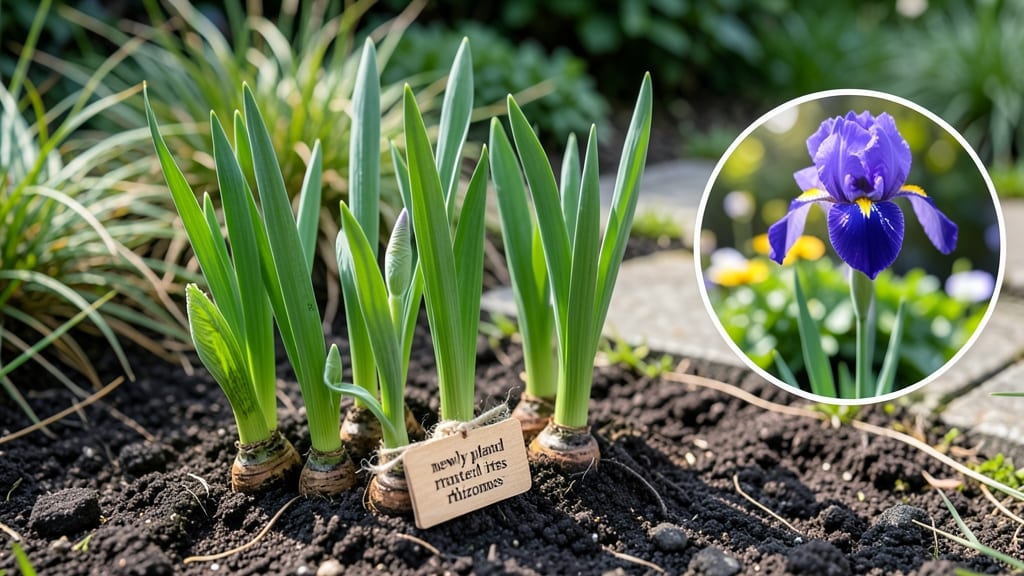
Iris plants usually don't bloom their first year because they prioritize root growth, though dwarf varieties or well-established nursery stock might produce occasional flowers. Full blooming typically occurs in the second or third year.
This isn't just about waiting—it's about how iris plants allocate energy. 🌱 When you plant them, their primary focus is building a strong root system to support future blooms.
Some fast-growing varieties like dwarf iris (such as Iris pumila) may surprise you with early flowers, but even then, expect limited production. The key factors here are soil quality, sunlight exposure, and proper watering during the first growing season.
For example, planting in well-draining soil with 6+ hours of sunlight daily can encourage earlier—but still modest—flowering attempts.
What many gardeners don't realize is that even if your iris doesn't bloom the first year, those roots are working overtime to create a network that will support vibrant, abundant flowers in subsequent years. The trade-off is worth it when you see those dramatic blooms in spring!
💡 In This Article
- Why Most Iris Plants Skip First-Year Flowering
- Encouraging Early Iris Blooms: Pro Tips for Gardeners
Why most iris plants skip first-year flowering
Here's what's actually happening underground: iris plants prioritize root development over flowering during their first year. This isn't laziness—it's survival strategy. The plant's energy goes toward establishing a robust rhizome (for bearded iris) or bulb system (for bulbous iris like Iris reticulata) that can store nutrients and water.
For example, a mature iris rhizome can grow up to 12 inches long in its first season, creating a network that supports 50+ blooms later.
Climate plays a huge role in this timing. In cooler regions, iris may enter a natural dormancy phase where flowering is delayed until they've built sufficient reserves.
Even in ideal conditions, the transition from vegetative growth to reproductive growth requires specific triggers—typically 10-12 weeks of consistent temperatures above 60°F followed by a period of cooler nights.
This explains why gardeners in Zone 5 might see blooms in year two while those in Zone 8 could get lucky with year-one flowers if planted in fall.
The science gets interesting when comparing rhizomatous iris (like bearded iris) to bulbous varieties.
Rhizomes store energy in their thick, horizontal stems, while bulbous iris rely on underground bulbs. Bulbous iris like Iris reticulata often bloom earlier because their energy storage system is more compact—some varieties produce flowers within 6-8 months of planting. The trade-off?
They typically have shorter bloom seasons compared to rhizomatous types.
What most people don't realize is that even "non-blooming" first-year plants are performing critical work. Those expanding roots create mycorrhizal relationships with soil fungi, which improve nutrient uptake for future years.
The leaves you see in year one are actually the plant's primary energy factories—photosynthesizing to fuel next year's spectacular displays. Think of it like building a skyscraper's foundation before adding the upper floors.
One fascinating exception is when iris are planted in optimal conditions—rich, well-draining soil with full sun exposure and consistent moisture. In these cases, some varieties like Iris germanica might produce 1-3 blooms in their first year, though these will be smaller and less vigorous than subsequent years' flowers.
The key difference is that these early blooms come at a cost: the plant may produce fewer leaves, potentially weakening its overall structure.
Seasonal timing matters too. Fall-planted iris often have a head start, as they can establish roots during mild winter conditions before spring growth begins. Spring-planted iris, meanwhile, may focus all their energy on leaf production to maximize photosynthesis.
This is why many experts recommend planting iris in late summer or early fall—giving them 6-8 weeks of root establishment before winter dormancy.