
Blooming
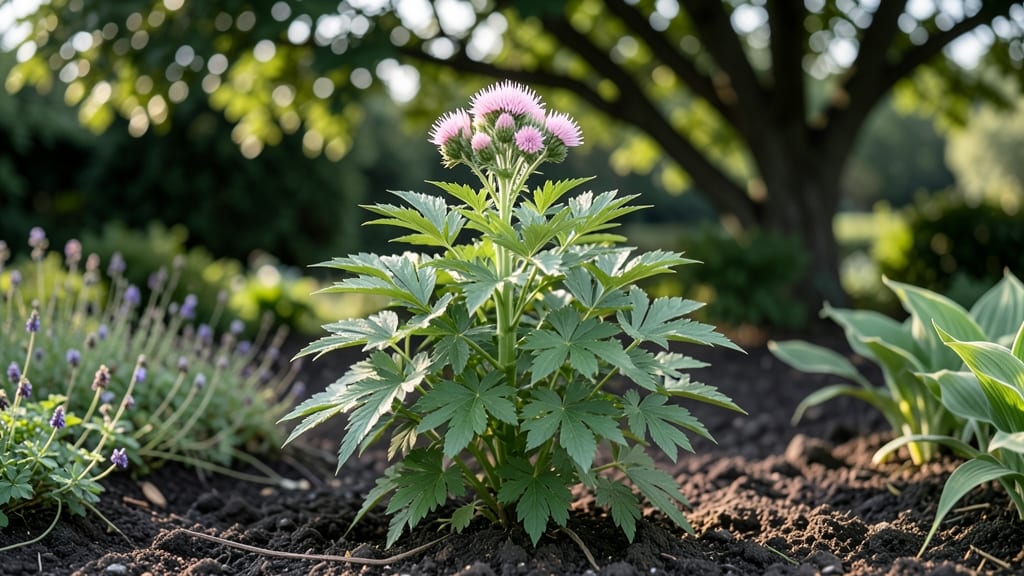
Astilbe will not bloom in its first year, instead focusing energy on developing a strong root system and lush foliage. Blooms typically emerge in the second year when the plant has established itself properly.
This isn't laziness—it's biology. 🌱 Astilbe plants prioritize building a robust foundation before flowering, much like how a tree grows leaves before producing fruit. The first year is all about root expansion and leaf development, which directly impacts how vibrant the blooms will be in year two.
I've seen astilbe plants that get the right care (like consistent moisture and partial shade) produce stunning plumes their second spring, while neglected ones may take even longer.
What makes this particularly interesting is how environmental factors play into the timeline. For instance, plants in cooler climates might bloom slightly later than those in milder zones.
The key is to provide well-draining soil rich in organic matter and protect them from harsh winter winds, which can stress young plants and delay flowering.
Pro tip: If you're impatient for color, focus on the foliage instead—many astilbe varieties have beautiful, feathery leaves that add texture to gardens even without blooms. The wait is worth it when those delicate plumes finally appear! 🌸
💡 In This Article
- Why Astilbe Plants Skip First-Year Blooming
- How to Encourage Astilbe Blooms in Year Two
Why astilbe plants skip first-year blooming
Astilbe plants prioritize root development and leaf growth in their first year because they follow a biological strategy called monocarpic growth. This means they allocate nearly all their energy to building a strong foundation—expanding their fibrous root system and producing lush, feathery foliage—rather than expending resources on flower production.
Think of it like a tree storing energy in its trunk before growing branches and leaves. 🌱 This delayed flowering is especially pronounced in perennials like astilbe, which can take 1-2 years to reach maturity.
The process involves complex hormonal shifts. During the first growing season, astilbe plants produce high levels of auxin, a plant hormone that promotes root elongation and leaf expansion. Meanwhile, they suppress florigen, the hormone responsible for triggering flowering.
This hormonal balance ensures the plant survives its first winter with enough stored energy to bloom in the following spring. For example, a young astilbe planted in spring may only reach 6-12 inches in height by fall, but its roots could extend 12-18 inches deep into the soil.
Environmental factors like sunlight, soil quality, and temperature also play critical roles. Astilbe thrives in partial shade (3-6 hours of morning sun), which helps conserve moisture and prevents stress. In full sun, the plant diverts even more energy to protecting its leaves from dehydration, further delaying blooms.
Meanwhile, well-draining, moisture-retentive soil rich in organic matter (like compost) ensures the plant can focus on root growth rather than struggling to access nutrients. 💧 Cooler temperatures in early spring also signal the plant to prioritize foliage over flowers until it’s fully established.
What most gardeners don’t realize is that first-year astilbe foliage isn’t just filler—it’s a powerhouse. The broad, fern-like leaves capture sunlight efficiently, photosynthesizing to build carbohydrates that fuel next year’s blooms.
For instance, varieties like 'Fanal' (deep red foliage) or 'Deutschland' (silvery-white plumes) develop their signature colors and textures in this foundational year. Skipping blooms isn’t a flaw; it’s a survival strategy that pays off with 2-3 feet of vibrant plumes in year two.
Dormancy also plays a part. Many astilbe varieties experience a period of winter rest, where growth slows dramatically. During this time, the plant’s energy shifts underground, strengthening roots and storing nutrients for spring.
This dormancy phase is crucial—without it, the plant risks blooming too early in its first year, which can weaken it and reduce future flowering potential. For example, astilbe grown in USDA Zones 4-8 may enter dormancy earlier in fall than those in milder climates, affecting their blooming timeline.
Here’s the science-backed takeaway: First-year astilbe plants are essentially investing in their future. The more robust their root system and foliage, the larger and more abundant their blooms will be in subsequent years.
This is why experts recommend avoiding heavy pruning or fertilizer in the first year—both can disrupt this critical energy allocation. Instead, focus on consistent watering (1-2 inches per week) and mulching (2-3 inches of organic mulch) to protect roots and retain moisture.
If you’re eager for color, don’t despair—many astilbe varieties offer stunning foliage that rivals their blooms. For example, 'Bridal Veil' has delicate white plumes, but its silvery-blue leaves add texture to gardens year-round.
The wait is worth it when those feathery plumes finally emerge, often in late spring to early summer, depending on your climate zone. 🌸