
Blooming
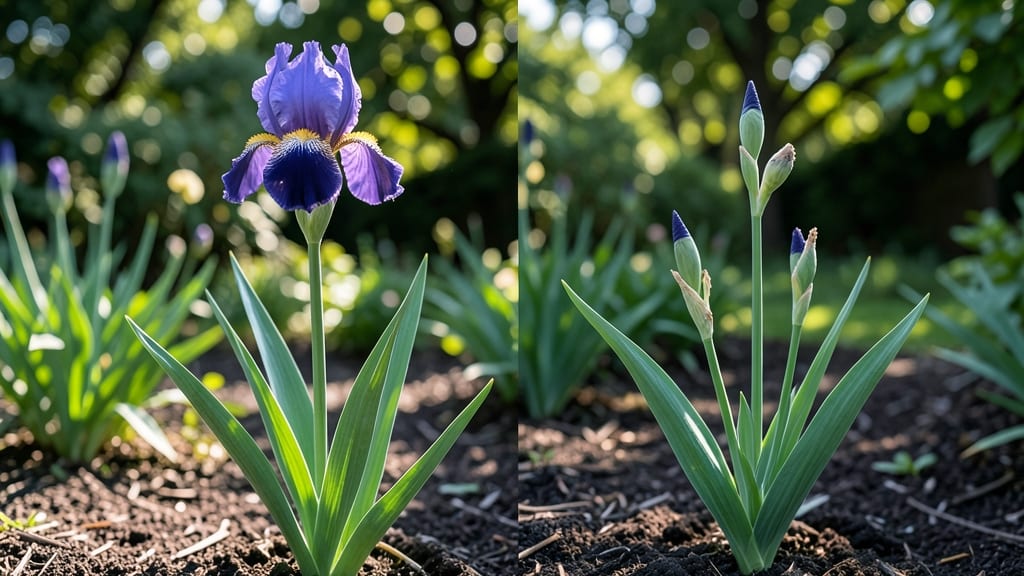
Some iris varieties do bloom more than once, especially reblooming types like Louisiana irises or certain bearded irises, which can produce two seasonal blooms with proper care and pruning. Most standard iris types bloom just once annually, typically in spring or early summer.
Not all iris varieties follow the same blooming schedule—it depends on their genetics and how you care for them. 🌸 Louisiana irises, for example, are famous for their second flush in late summer or early fall, while Japanese irises often deliver a surprise rebloom after their spring display.
Even some bearded irises can produce a modest second bloom if given the right conditions, like consistent moisture and balanced fertilization. The key difference lies in their growth habits: reblooming types store more energy in their rhizomes, allowing them to push out new blooms later in the season.
What's interesting is how timing and maintenance make all the difference. Pruning spent blooms promptly encourages new growth, while winterizing your plants properly sets them up for a stronger second season.
I've seen gardeners coax extra blooms from their irises by adjusting watering schedules—keeping the soil consistently moist (but not soggy) during the growing season helps sustain those energy reserves.
💡 In This Article
- Types of Iris That Rebloom Naturally
- How to Encourage Second Bloom in Iris Plants
Types of iris that rebloom naturally
The ability of iris to rebloom stems from their genetic makeup and growth habits. Louisiana irises, for instance, are hardwired to produce two distinct blooming periods each year—a primary flush in late spring and a secondary one in late summer or early fall.
This dual-flowering trait is deeply embedded in their DNA, passed down through generations of plants adapted to warm, humid climates where extended growing seasons provide the energy needed for multiple blooms.
Japanese irises also exhibit this trait, though their second bloom tends to be more modest. These varieties store excess carbohydrates in their rhizomes during the growing season, which they later convert into floral buds.
The process involves a delicate balance of photosynthesis and energy storage—think of it like a plant battery that recharges throughout the season. 🌿 In contrast, tall bearded irises typically bloom just once because their energy reserves are primarily allocated to root and foliage development rather than multiple flowering cycles.
Environmental factors play a crucial role too. Louisiana irises thrive in USDA zones 8-11, where warm winters and long growing seasons create ideal conditions for reblooming. In cooler climates, these varieties may still produce a second flush if given proper care, but the blooms might be smaller or less abundant.
Siberian irises, on the other hand, rarely rebloom because their natural habitat includes shorter growing seasons, and their energy is conserved for survival rather than multiple flowering events.
What sets reblooming irises apart is their rhizome structure. These varieties develop thicker, more robust rhizomes that can store up to 30-40% more starch reserves than single-blooming types.
This extra energy acts like a fuel tank for the plant, allowing it to push out new flower stalks when conditions are favorable. The trade-off? Reblooming irises often have slightly less vibrant first blooms compared to their single-flowering counterparts, as some energy is diverted to preparing for the second flush.
Color also plays a subtle role in reblooming behavior. Darker-hued varieties (like deep purples or blues) tend to have slightly higher energy demands for pigment production, which can reduce the size of second blooms.
Lighter colors, such as whites or pale yellows, often produce more abundant reblooms because they require less energy to develop. This is why gardeners sometimes notice their white Louisiana irises putting on a more spectacular second show compared to their darker counterparts.
Understanding these natural tendencies helps explain why some gardeners struggle to get reblooms from their irises. If you're planting in a cooler climate or with a variety not naturally inclined to rebloom, you might need to take extra steps—like adjusting your care routine—to encourage that second flush.
The good news is that with the right variety and conditions, you can enjoy iris blooms well into the fall season! 🌸