
Blooming
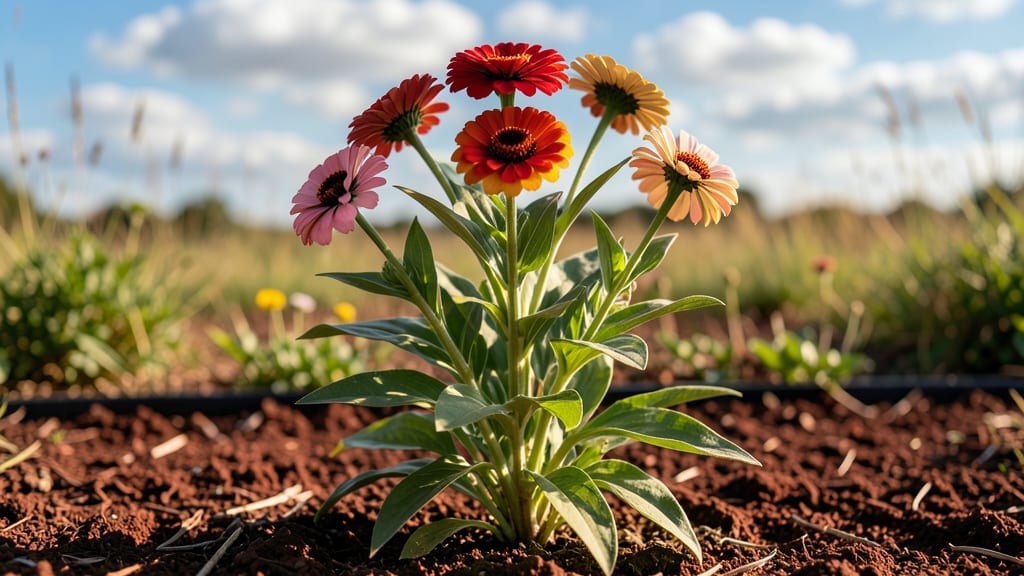
Zinnias do bloom more than once when planted as annuals, particularly with reblooming cultivars like 'Benary’s Giant' or 'Profusion,' which continue producing flowers throughout the season with consistent deadheading and proper maintenance. Some perennial zinnias in warm regions may also reflower under optimal growing conditions.
Many gardeners assume zinnias bloom just once, but the secret lies in their growth habits. 🌸 Reblooming varieties are specifically bred to produce multiple cycles of flowers, while even single-bloom types may rebloom if you remove spent blooms promptly.
The key is redirecting the plant's energy from seed production back to new flower growth—this is why deadheading (cutting back faded blooms) is so critical.
I've seen zinnias in my own garden continue flowering for weeks when given the right care, making them one of the most rewarding annuals for continuous color.
What makes this possible is the plant's ability to allocate resources efficiently. When you remove spent flowers, the zinnia redirects its energy toward new growth rather than seed development. This process, combined with proper fertilization and sunlight exposure, can extend the blooming season well beyond what many expect.
For best results, use a balanced fertilizer every few weeks and ensure your zinnias get at least 6-8 hours of direct sunlight daily.
💡 In This Article
- Zinnia Reblooming Mechanics: How Deadheading Extends Flowering
- Maximizing Zinnia Reblooms: Pruning, Fertilizing, and Light Tips
Zinnia reblooming mechanics: how deadheading extends flowering
Zinnias rebloom through a biological process where the plant redirects energy from seed production to new flower growth. When a zinnia flower fades, it begins developing seeds inside its center. This seed formation consumes valuable nutrients and energy that could otherwise fuel new blooms.
By removing spent flowers through deadheading—cutting back the entire stem to a leaf node—you eliminate this energy drain and signal the plant to produce more flowers instead. This technique works because zinnias are determinate or indeterminate growers, with reblooming varieties bred specifically to continue flowering when stimulated.
The science behind this involves photosynthesis and energy allocation. Zinnias have broad leaves that capture sunlight efficiently, converting it into glucose through photosynthesis.
When you deadhead, you're essentially telling the plant, "Don't waste energy on seeds—make more flowers!" 🌿 This process is most effective when done consistently, ideally every 2-3 days during peak bloom.
Reblooming varieties like 'Profusion' have been selectively bred to have stronger growth habits and more lateral buds, which means they can produce multiple flower stems from a single node when properly maintained. In contrast, single-bloom varieties like 'Thumbelina' focus their energy on one large bloom before shifting to seed production.
What most gardeners don't realize is that timing matters just as much as technique. The best time to deadhead is in the early morning when the flowers are fully open but haven't yet begun seed development.
This gives the plant maximum time to recover and produce new blooms before the heat of the day. Additionally, the height at which you cut matters—always remove the stem back to a leaf node (about 1/4 inch above the leaf) to encourage new growth from that point.
This precise cutting technique ensures the plant doesn't waste energy trying to regrow from a bare stem.
Light plays a crucial role in this process too. Zinnias need full sun exposure (6-8 hours daily) to maximize photosynthesis and energy production. In lower light conditions, the plant simply doesn't have enough energy to support continuous reblooming.
The leaves act like solar panels, converting sunlight into the chemical energy needed for flower production. When you combine proper deadheading with adequate sunlight, you create the perfect conditions for zinnias to produce flowers continuously throughout their growing season.
There's a fascinating comparison between annual and perennial zinnias here. Annual zinnias (like 'Benary's Giant') complete their entire life cycle in one season but can produce flowers for 3-4 months with proper care.
Perennial zinnias in warm climates may also rebloom, but their growth patterns are different—they often focus on establishing strong root systems first before producing flowers. This is why many perennial zinnias bloom later in the season compared to their annual counterparts.
Understanding these differences helps explain why some zinnias seem more eager to rebloom than others.
The most rewarding part of this process is seeing your zinnias respond to your care. Within just 7-10 days of consistent deadheading, you'll often see new buds forming at the leaf nodes where you made your cuts.
This visual feedback is incredibly satisfying and makes the effort worthwhile. The key is patience and consistency—zinnias reward gardeners who take the time to understand their growth habits and provide the right conditions for continuous blooming. 🌸