
Blooming
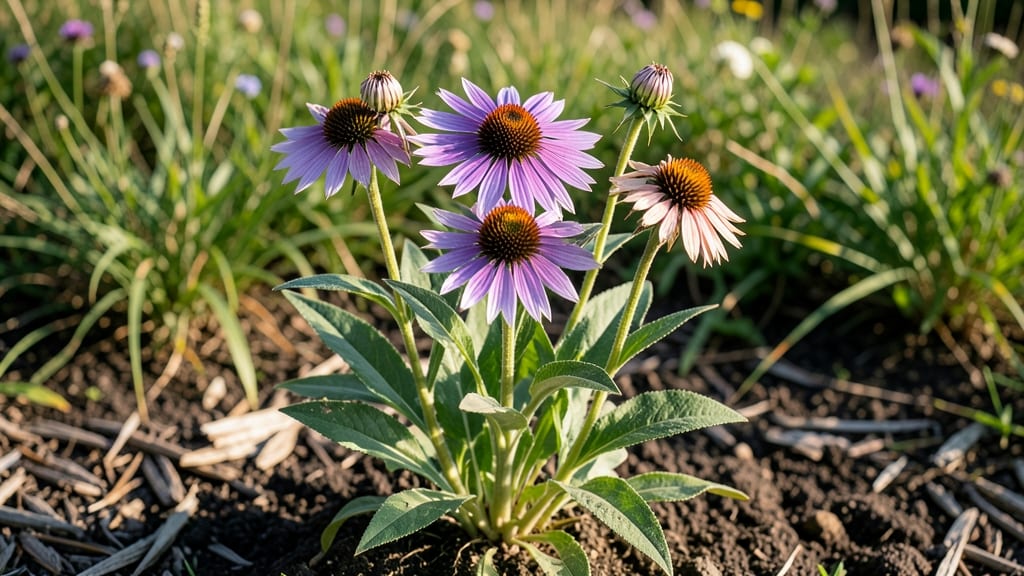
Not all perennials bloom every year—they often follow seasonal cycles where some flower annually, while others enter dormancy for one or more years before reblooming, depending on their species, local climate, and care.
Perennials store energy in their roots during their first few years, focusing on establishing a strong foundation before dedicating resources to flowering. 🌱 This is why many first-year perennials skip blooming entirely—they're building up for future seasons.
Climate plays a huge role too: plants like peonies need specific chill hours to trigger blooms, while others like coneflowers may rest after heavy flowering years to recover.
What's fascinating is how different species handle this cycle. Some, like daylilies, bloom reliably every year, while others, such as hostas, might take a break after a particularly productive flowering season. Proper care—like regular pruning, balanced fertilization, and consistent moisture—can help encourage more reliable blooming patterns over time.
💡 In This Article
- Why Some Perennials Skip Flowering in Certain Years
- How to Encourage Consistent Perennial Blooms Year After Year
Why some perennials skip flowering in certain years
The core reason behind skipped blooms lies in a perennial's energy budget. During their first 1-3 years, these plants focus on building robust root systems and foliage rather than producing flowers.
This is especially true for species like peony or black-eyed Susan, which can store 50-70% more carbohydrates in their roots than annuals. These stored reserves fuel future blooming seasons, but if the plant doesn't have enough energy from photosynthesis, it prioritizes survival over reproduction.
Climate triggers play a crucial role too. Many perennials require specific environmental cues to bloom. For example, peonies need 800-1,000 chill hours below 45°F to trigger flowering, while daylilies thrive with 6-8 hours of direct sunlight daily.
If these conditions aren't met—perhaps due to a mild winter or shaded location—the plant may skip flowering entirely. Even well-established perennials like coneflowers might take a break after a particularly productive year to recover their energy reserves.
Stress factors can also disrupt blooming cycles. Drought conditions force plants to divert energy to root growth, while poor soil quality (low organic matter or improper pH) limits nutrient uptake. Even pest infestations, such as aphids or spider mites, can drain a plant's resources.
For instance, a lavender bush under attack by spider mites might produce fewer flowers because it's fighting to maintain its health rather than dedicating energy to blooms.
Seasonal dormancy is another key factor. Some perennials, like hostas, enter a rest period after flowering to rebuild their energy stores. During this time, they may appear dormant above ground but remain active underground.
If disturbed—through improper pruning or over-fertilization—the plant might not have enough energy to bloom the following year. This is why many gardeners notice their hostas or heucheras skip flowering after a particularly harsh winter or a season of neglect.
Even the age of the plant affects blooming patterns. Younger perennials often prioritize growth over flowering, while older plants may produce fewer blooms as they age. For example, a 10-year-old peony might flower less vigorously than a 3-year-old because its energy is focused on maintaining its extensive root system.
Understanding these natural cycles helps gardeners set realistic expectations and provide the right care to encourage consistent blooms.
What's fascinating is how some perennials use a strategy called alternate bearing, where they produce heavy blooms one year and rest the next.
This is common in bee balm or Russian sage, which may flower abundantly in their second year but produce fewer blooms in subsequent years to avoid exhausting their resources. This natural rhythm ensures the plant's long-term survival while still providing seasonal interest in the garden.