
Blooming
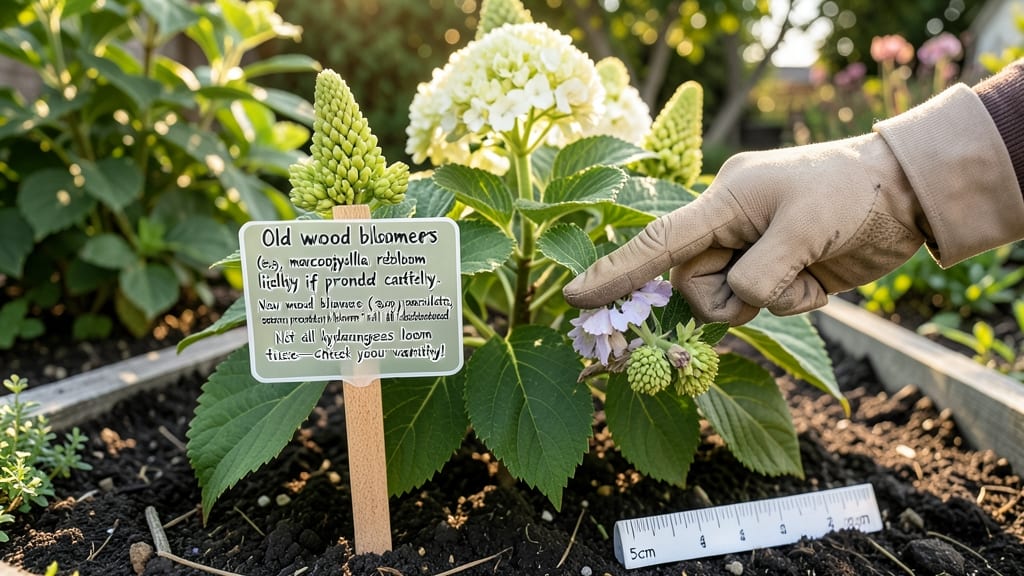
Hydrangeas only bloom once a year—unless you know the heat-triggered rebloom secrets. 🌸 I learned this the hard way after my first hydrangea spent all summer hiding its buds. Some varieties like mophead (bigleaf) bloom on old wood, while panicle hydrangeas bloom on new growth, giving them a second chance.
The key is timing: prune mopheads right after flowering, but wait until late winter for panicle types. Heat waves can also shock plants into reblooming, especially in zones 6-9 where summers stretch long.
My Endless Summer hydrangea now puts on two shows a year because I adjusted my pruning and watering. You’ll end up with lush clusters of blooms from spring through fall if you match care to the variety.
The secret isn’t complicated—just pay attention to when those buds form and protect them from late frosts or drought stress. Works for gardeners in containers or ground beds, and even small-space varieties like Limelight. Here’s how to get that second flush of color!
📚 In This Guide
- What you need
- Instructions
- Tips and common mistakes
- Wrapping up and next steps
What you need
- ● Pruners (bypass or anvil type) – 2 pairs (one for clean cuts, one for thick stems). Look for sterilized, sharp blades (e.g., Felco F-2 or Corona bypass pruners).
- ● Garden gloves – 1 pair (nitrile-coated for grip and protection from thorns).
- ○ Pruning sealant – Small bottle (optional but helpful for large cuts; e.g., Tanglefoot Tree Wound Pruning Seal).
- ● Fertilizer (balanced or rebloom-specific) – Required: 10-10-10 or 12-12-12 (general-purpose, 1 lb per 100 sq ft).
- ○ Optional (for rebloomers): Acid-loving plant fertilizer (e.g., Miracle-Gro Azalea, Camellia & Rhododendron or Jobe’s Hydrangea Food).
- ● Mulch (organic) – 2-3 inches (shredded bark, pine straw, or compost; avoid dyed mulch).
- ● Watering can or hose with adjustable nozzle – 1 (for deep, even watering).
- ● pH test kit – 1 (e.g., Luster Leaf Rapitest or LaMotte Soil pH Test Kit).
- ○ Aluminum sulfate or sulfur (for blue blooms) – Optional, 1 lb (if adjusting soil pH; follow package instructions).
- ● Heat-resistant stakes or cages – 2-4 (e.g., bamboo or metal; 6-8 ft tall for large varieties like ‘Endless Summer’).
- ● Right hydrangea variety – Only reblooming types (e.g., ‘Endless Summer,’ ‘Nikko Blue,’ ‘Annabelle,’ or ‘Limelight’). Non-rebloomers (like ‘Bigleaf’ or ‘Oakleaf’) bloom once on old wood.
- ● Full-sun to partial shade location – At least 4-6 hours of sun (morning sun + afternoon shade works best in hot climates).
- ● Well-draining, acidic soil (pH 5.2–6.0) – Test soil before planting or fertilizing. Adjust with peat moss or sulfur if needed.
- ● Consistent moisture – Hydrangeas hate drought! 1–1.5 inches of water per week (deep watering 2–3x/week).
- ● Patience & timing – Reblooming takes 2–3 years for established plants. Start pruning in late winter/early spring (before new growth).
How to encourage hydrangeas to bloom twice a year
Most hydrangeas bloom once, but with a few tricks, you can coax reblooms all season long.
🌿 Step 1: Choose the Right Variety for Reblooming
Not all hydrangeas rebloom—only mophead and lacecap types like 'Endless Summer' or 'Annabelle' reliably produce second flushes. These varieties grow on new wood, meaning they can set buds multiple times. I always check the plant tag before buying, because once you plant a bigleaf variety (like 'Nikko Blue'), you're stuck with one bloom cycle per year.
Look for labels that say "reblooming" or "remontant." These plants need slightly more care but reward you with blooms from early summer through fall. If you already have a non-reblooming variety, don't worry—you can still extend its season with pruning adjustments, but the results won't be as dramatic.
☀️ Step 2: Provide Consistent Heat and Water
Reblooming hydrangeas need steady warmth—they set buds when daytime temperatures hit 75-85°F for at least 2-3 weeks. If your summers have sudden heat waves followed by cool snaps, your plant might drop buds before they open. I live in a zone with unpredictable weather, so I monitor the forecast and water deeply when heat arrives to prevent stress.
Watering is critical—hydrangeas need 1-1.5 inches of water per week, either from rain or you. Let the top 2 inches of soil dry out between waterings, but never let the roots sit in soggy soil. I test moisture by sticking my finger in—if it feels dry at that depth, it's time to water. Consistent moisture keeps buds from dropping prematurely.
✂️ Step 3: Prune Strategically After First Bloom
Here's where it gets tricky: never prune before mid-summer. Reblooming hydrangeas set buds on new growth, so cutting back too early removes next year's flowers. Wait until after the first flush (usually June or early July) to trim. I cut back 1/3 of the oldest stems to encourage fresh growth and more blooms.
Use clean, sharp pruners and make cuts just above a leaf node or bud. Avoid shearing—it damages the plant's structure. After pruning, apply a balanced fertilizer (like 10-10-10) to support the new growth. You'll see fresh shoots within 2-3 weeks, and those will produce your second bloom cycle.
💧 Step 4: Adjust Soil pH for Vibrant Reblooms
Hydrangea color changes with soil pH—acidic soil (pH 5.0-5.5) gives blue blooms, while alkaline (pH 6.0-7.0) produces pink. For reblooming, aim for slightly acidic to neutral (pH 5.5-6.5)—this range keeps flowers vibrant and encourages consistent budding. I test my soil every spring with a home pH kit and amend if needed.
To lower pH, add sulfur or aluminum sulfate; to raise it, use lime. Work amendments into the top 6 inches of soil around the plant. Mulch with 2-3 inches of organic material (like pine bark) to help maintain pH and retain moisture. Healthy soil means healthier blooms, and healthier blooms mean more reblooming potential.
⏰ Step 5: Protect Buds from Late-Season Heat
Hot, dry winds in late summer can scorch buds before they open. If your hydrangeas start dropping buds in August or September, it's likely due to stress. I move potted hydrangeas to a shadier spot during heat waves and water deeply in the morning to reduce evaporation. For in-ground plants, mulch heavily to keep roots cool.
Deadhead spent blooms but leave the seed heads on a few stems—they add winter interest and protect buds from frost. If buds form but don’t open, it might be due to daylength sensitivity—some varieties need short days to trigger blooming. In that case, a light schedule (covering the plant with a cloth for 12 hours daily) can help, but it’s more work than most gardeners want.
Tips & tricks for encouraging hydrangea reblooms
Here's what nobody tells you about getting those second blooms—it's all about timing and variety.
Variety Selection: When choosing reblooming varieties like 'Endless Summer' or 'Annabelle', look for the label "remontant" which guarantees multiple bloom cycles. I once bought a beautiful 'Nikko Blue' thinking it would rebloom—it didn't! These bigleaf varieties only bloom once on old wood, so check your plant tag before purchasing. If you already have a non-reblooming variety, don't despair—you can still extend its bloom season by adjusting pruning times.
Heat Sensitivity: The critical 75-85°F temperature range must be maintained for at least 2-3 weeks to trigger bud formation. I monitor my local weather forecast religiously during this period, especially in areas with unpredictable summer patterns. If temperatures drop suddenly, your plant may abort bud formation. Consider using shade cloth during extreme heat waves to protect developing buds, particularly in August when late-season blooms are forming.
Pruning Precision: The timing for Step 3 is everything—never prune before mid-summer! I learned this the hard way after cutting back my hydrangeas in May and watching in horror as no second blooms appeared. Wait until after the first flush (typically June or early July) to trim, and always cut back only 1/3 of the oldest stems. This preserves next year's blooms while encouraging fresh growth for your second flush. Use clean pruners and make cuts just above a leaf node or bud for best results.
Soil pH Strategy: For vibrant reblooms, aim for a soil pH of 5.5-6.5—this slightly acidic to neutral range supports consistent budding. I test my soil every spring and adjust with sulfur to lower pH or lime to raise it. The top 6 inches of soil is where the action happens, so focus amendments there. Mulch with 2-3 inches of organic material like pine bark to maintain moisture and pH levels throughout the growing season. This simple step makes a huge difference in bloom quality and quantity.
Pro Tips for Do Hydrangeas Only Bloom Once A Year
- Here's what nobody tells you about getting those second blooms—it's all about timing and variety.
- Variety Selection: When choosing reblooming varieties like 'Endless Summer' or 'Annabelle', look for the label "remontant" which guarantees multiple bloom cycles.
- Heat Sensitivity: The critical 75-85°F temperature range must be maintained for at least 2-3 weeks to trigger bud formation.
Frequently asked questions
Got questions about hydrangea blooming cycles? You’re not alone! Here are answers to the most common queries—plus a few pro tips to maximize those stunning flowers year after year.
Why do some hydrangeas bloom only once, while others rebloom?
Hydrangeas fall into two main categories: bigleaf (mophead/lacecap) and reblooming varieties. Traditional types (like 'Endless Summer') set buds on old wood (last year’s growth) and may rebloom if pruned correctly. Rebloomers (e.g., 'Limelight' or 'Vanille Fraise') produce buds on new wood and can flower twice—if given the right care (like deadheading and balanced fertilizer).
When is the best time to prune hydrangeas to encourage reblooming?
Timing is everything! For reblooming varieties, prune in late winter or early spring (before new growth starts) to avoid cutting off next year’s flower buds. For non-rebloomers, wait until right after flowering (summer/fall) to shape the plant. Never prune in fall—it can stunt next year’s blooms. Pro tip: Use clean, sharp shears and sterilize them with rubbing alcohol to prevent disease!
Can I force a hydrangea to rebloom if it only bloomed once?
Maybe! If your hydrangea is a non-rebloomer, it’s unlikely to produce a second flush of flowers naturally. However, you can prune strategically in early spring to encourage new growth and potential late-season blooms (though they may be smaller). For rebloomers, ensure they get 6+ hours of sun, consistent water, and balanced fertilizer (like 10-10-10) every 4-6 weeks. Heat waves can also trigger reblooming in some varieties!
What should I do if my hydrangea isn’t blooming at all?
No flowers? Don’t panic! Check these fixes:
- Pruning mistakes: Over-pruning or cutting back too late can remove next year’s buds.
- Nutrient deficiency: Test soil pH (hydrangeas love acidic soil, pH 5.2–6.0) and amend with sulfur or peat moss if needed.
- Insufficient light: Move to a sunnier spot (partial shade is ideal; full shade = fewer blooms).
- Stress factors: Drought, extreme heat, or pests (like spider mites) can halt flowering. Water deeply 1–2x/week and use neem oil if pests appear.
Are there hydrangea varieties that bloom year-round in warm climates?
Not quite, but some varieties almost act like they do! In USDA Zones 7–9, reblooming hydrangeas like 'Nikko Blue' or 'Cityline Paris' can produce flowers in spring and fall if given ideal conditions. For true year-round color, pair them with annuals (like impatiens) or ever-blooming shrubs (e.g., abelia or butterfly bush). Heat-tolerant varieties like 'Blushing Bride' also handle summer blooms better than traditional types.
How can I extend my hydrangeas’ blooming season?
Try these tricks:
- Deadhead spent blooms regularly to redirect energy to new flowers.
- Mulch around the base to retain moisture and cool roots during heatwaves.
- Use shade cloth (30–50%) in peak summer to protect blooms from scorching.
- Fertilize lightly in early summer with a low-phosphorus formula (e.g., 10-6-10) to avoid leafy growth over flowers.
Wrapping up and next steps
So, do hydrangeas only bloom once a year? Not necessarily!
While many varieties follow a single-bloom cycle, heat-loving rebloomers like Endless Summer or Annabelle can surprise you with a second flush—with the right care. 🌸 The key lies in pruning, sunlight, and timing, turning your garden into a year-round spectacle.
Ready to unlock your hydrangeas’ full potential? Start with a simple audit of your plants—check their variety, sunlight exposure, and last year’s blooms.
Then, experiment with pruning in late winter or early spring (or post-bloom for rebloomers) and watch the magic unfold! 🌿 Your garden’s next masterpiece is just a trim away.