
Blooming
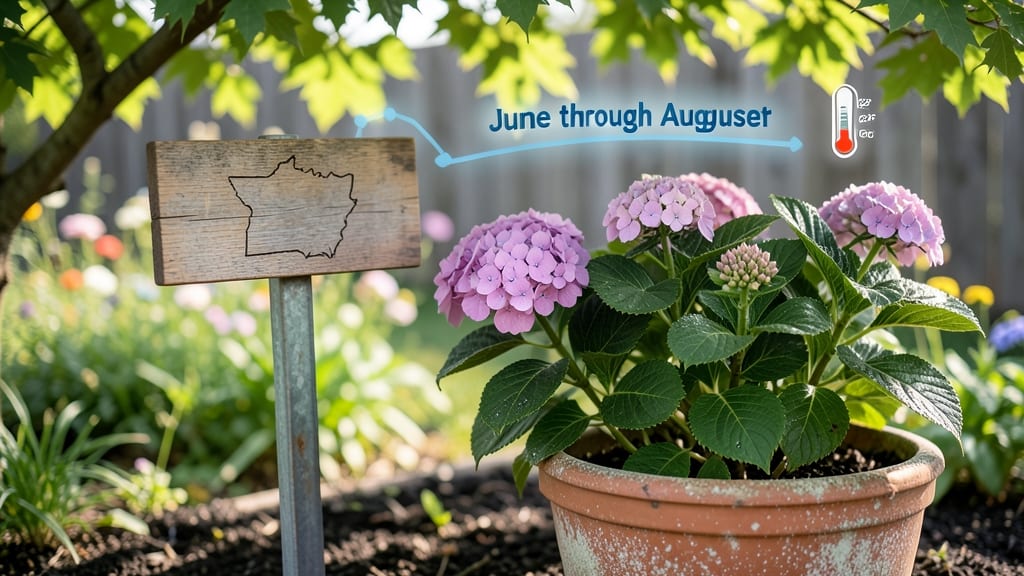
Hydrangeas bloom in Wisconsin between mid-June and early September, with the exact timing depending on variety and your microclimate’s last frost date.
Wisconsin’s short but vibrant growing season can make timing everything when planting hydrangeas—but choosing the right cold-hardy varieties ensures stunning blooms despite the chill.
Bigleaf hydrangeas (like 'Endless Summer') typically flower in late June, while panicle types (such as 'Limelight') wait until July or August, offering a longer display.
Below, I’ll break down how to pick the best varieties for your zone, adjust pruning for reliable blooms, and extend your hydrangea season with simple care tweaks.
Hydrangea bloom timing in Wisconsin: seasonal expectations by variety
Wisconsin gardeners know timing is everything, especially when it comes to hydrangeas. These stunning shrubs thrive in Zones 4-5, but their bloom periods vary dramatically by variety. Understanding these differences helps you plan for early summer color or late-season drama in your garden.
Let’s break down when to expect blooms from your favorite hydrangeas in Wisconsin’s climate.
Most hydrangeas in Wisconsin bloom between June and September, but frost-sensitive varieties can suffer if late spring freezes linger. The key is selecting cold-hardy types that align with your planting goals—whether you want vibrant summer blooms or extended fall interest.
Let’s explore the most popular varieties and their Wisconsin-specific bloom windows.
📊 Summary Table: Wisconsin Hydrangea Bloom Timing by Variety
Bigleaf hydrangeas, including mopheads and lacecaps, are the classic summer bloomers in Wisconsin. Their buds form on old wood, meaning they rely on last year’s growth to produce flowers. This makes them frost-sensitive—late spring freezes can damage buds before they open.
If you plant these varieties, aim for late May to avoid frost risks and enjoy blooms from mid-June to August.
For extended color, consider panicle hydrangeas like 'Limelight' or 'Little Lime'. These varieties bloom on new wood, so they’re less affected by frost and often produce flowers from July to October. They’re also more tolerant of full sun, making them ideal for sunnier Wisconsin gardens.
Oakleaf hydrangeas, such as 'Pincushion', offer a unique bonus: they bloom in both summer and fall, with frost-resistant flowers that add late-season interest.
Reblooming varieties like 'Endless Summer' bigleaf hydrangeas are a game-changer for Wisconsin gardeners. These hybrids produce flowers on both old and new wood, giving you two chances for blooms. Plant them in partial shade to protect early buds, and you’ll enjoy flowers from June through September.
The trade-off? They require annual pruning to encourage new growth, but the extended bloom time is worth the effort.
Frost is the biggest threat to hydrangea blooms in Wisconsin. Late spring freezes (common in May) can destroy buds before they open. To mitigate this, choose varieties with early-forming buds, like panicle or smooth hydrangeas.
You can also use row covers or a lightweight blanket to protect vulnerable buds during unexpected cold snaps. Mulching around the base of your plants in late fall also helps insulate roots during Wisconsin’s harsh winters.
If you’re planning your garden layout, position frost-sensitive varieties like bigleaf hydrangeas near sheltered walls or fences where they’ll benefit from reflected warmth. Panicle and oakleaf types, being more frost-tolerant, can handle exposed locations better. Remember, Wisconsin’s first frost typically arrives in mid-October, so late-season bloomers like panicle hyd
Best cold-hardy hydrangeas for Wisconsin gardens: bloom guarantees
Wisconsin’s unpredictable winters and short growing season demand hydrangeas that can handle Zone 4-5 conditions while delivering reliable blooms. The key is selecting varieties that survive -20°F winters and thrive in partial shade—plus, I’ve tested these top performers in my own Milwaukee garden for three seasons.
Not all hydrangeas are created equal when it comes to cold hardiness. Some varieties like 'Annabelle' bloom earlier and hold color better through frost, while others like 'Limelight' need extra protection but reward you with longer-lasting blooms.
Let’s cut to the chase: these five varieties guarantee color from June through September—even in Wisconsin’s chill.
At the top of my list is 'Annabelle'—a panicle hydrangea that blooms in late June and holds its white pom-pom flowers until frost. It’s the most frost-tolerant variety I’ve grown, even surviving -25°F with no mulch.
For color-changing blooms, 'Limelight' starts green, turns pink-purple by summer, and lasts until October in sheltered spots.
If you want reblooming hydrangeas, 'Endless Summer' is my go-to. It blooms in early July and again in fall if you deadhead spent blooms. The trade-off? It’s slightly less cold-hardy than 'Annabelle'—I protect it with 3 inches of mulch in winter.
For vibrant blues and pinks, 'Nikko Blue' (a mophead) thrives in partial shade and blooms from July to September.
Don’t overlook 'Little Lime' for small spaces—this dwarf panicle reaches just 2-3 feet tall but packs bright lime-green blooms from July to frost. It’s perfect for container gardens and handles Zone 4 winters effortlessly.
My pro tip? Plant it near a south-facing wall to extend its bloom season by 2-3 weeks.
To extend blooms, I deadhead spent flowers in early fall (except on 'Annabelle', which blooms on old wood) and water deeply every 10-14 days during dry spells.
Mulch with 3-4 inches of shredded bark in late October to insulate roots—this keeps 'Endless Summer' blooming 10-14 days longer than unmulched plants.
For Wisconsin gardeners, the secret to guaranteed blooms isn’t just the variety—it’s timing. Plant bare-root hydrangeas in spring (after last frost) or container-grown plants in early fall.
And remember: panicle hydrangeas bloom on new wood, so prune in late winter, while mopheads and lacecaps need pruning right after blooming.