
Blooming
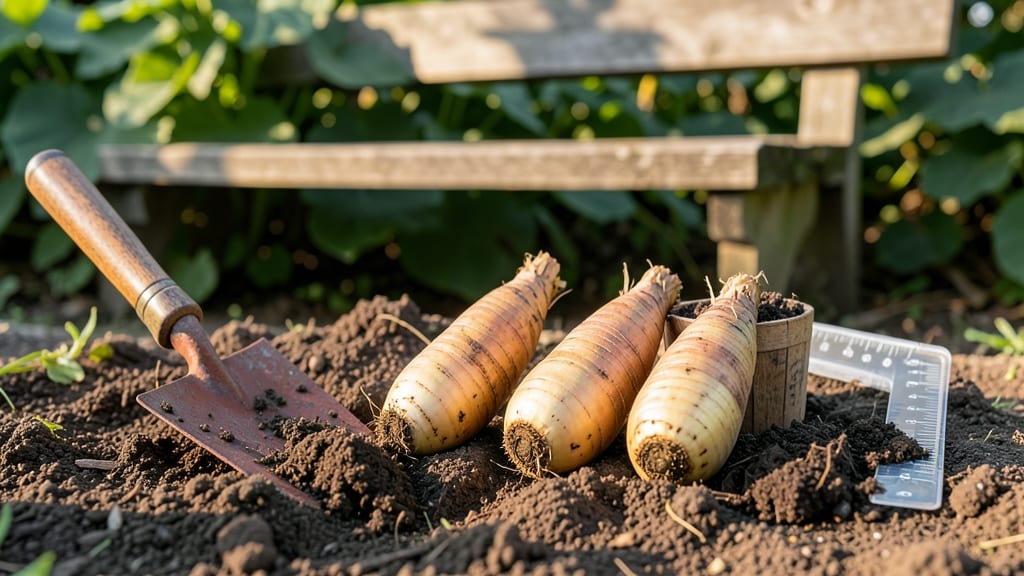
Gladiolus planted from corms won't bloom their first year, as they need 8-12 weeks to establish strong roots and foliage before producing flowers. The only exceptions are pre-blooming nursery corms and specially bred early-flowering hybrids.
This first-year waiting period makes sense when you understand how gladiolus grow. 🌱 Their energy goes entirely toward building a robust corm (the underground bulb) and developing sturdy leaves—think of it like a plant version of saving for a big purchase.
Only after this foundation is solid do they allocate resources to flowering. Even then, environmental factors like sunlight exposure and soil quality can push back bloom time further.
If you're eager for color in your first season, focus on selecting nursery-bought blooming corms (look for labels indicating "ready to flower") or opt for early-flowering hybrids like 'White Prosperity' or 'Pink Parfait.'
These varieties are bred precisely to defy the typical timeline. For all others, patience pays off—second-year blooms are often more abundant and vibrant.
💡 In This Article
- Why Gladiolus Skip Flowering in Their First Season
- How to Encourage Early Gladiolus Blooms in Year One
Why gladiolus skip flowering in their first season
The gladiolus growth cycle follows a strict biological priority: survival before reproduction. When you plant a corm (the bulb-like underground stem), its first 8-12 weeks are dedicated entirely to developing a new, larger corm and establishing a strong root system.
This is because a healthy corm acts as a storage organ, storing starches and nutrients that fuel future growth—similar to how a tree prioritizes trunk and branch development before flowering.
Here's what's happening underground: The original corm shrinks as it nourishes the new corm forming beside it, while the plant sends out fibrous roots that spread 12-18 inches wide. Meanwhile, above ground, the sword-like foliage emerges to capture sunlight for photosynthesis.
This dual focus on roots and leaves creates what botanists call "vegetative vigor"—a phase where the plant maximizes its energy reserves before even considering blooms. 🌱 In ideal conditions (full sun, well-draining soil), this process takes about 90 days before the plant has enough stored energy to attempt flowering.
Temperature plays a critical role in this timeline. Gladiolus thrive in 60-75°F conditions, but cooler nights (50°F) can delay flowering by 2-3 weeks as the plant conserves energy. Conversely, heat stress above 85°F can cause the corms to dry out prematurely, further pushing back bloom time.
The plant's internal clock also responds to daylight length—longer summer days signal it's time to shift energy toward flower production, but early planting in short-day climates may extend the waiting period.
Even when conditions are perfect, the first-year corm typically produces only 1-3 flower spikes (if any), as its energy is still divided between growth and reproduction. This is nature's way of ensuring the plant has a strong foundation for future years.
In contrast, second-year corms—now fully mature—can produce 6-12 flower spikes with minimal effort, showcasing how this two-stage growth cycle pays dividends in subsequent seasons.
What most gardeners don't realize is that corm size directly correlates with flowering potential. A 2-inch diameter corm (the size you typically plant) may produce only 1-2 blooms its first year, while a 3-inch diameter corm (from year two) can yield 8-10 blooms.
This size difference explains why commercial growers often plant corms in 3-inch pots for the first year to accelerate growth through controlled conditions.
The exceptions to this rule—nursery-bought blooming corms and early-flowering hybrids—work because they've had their growth cycles manipulated. Nursery corms are often pre-grown in greenhouses where they receive 14-16 hours of light daily, mimicking long summer days to trigger early flowering.
Hybrid varieties like 'Black Star' or 'Green Star' have been selectively bred to allocate more energy toward flowers during their first season, though they still require 6-8 weeks of growth before blooming.