
Blooming
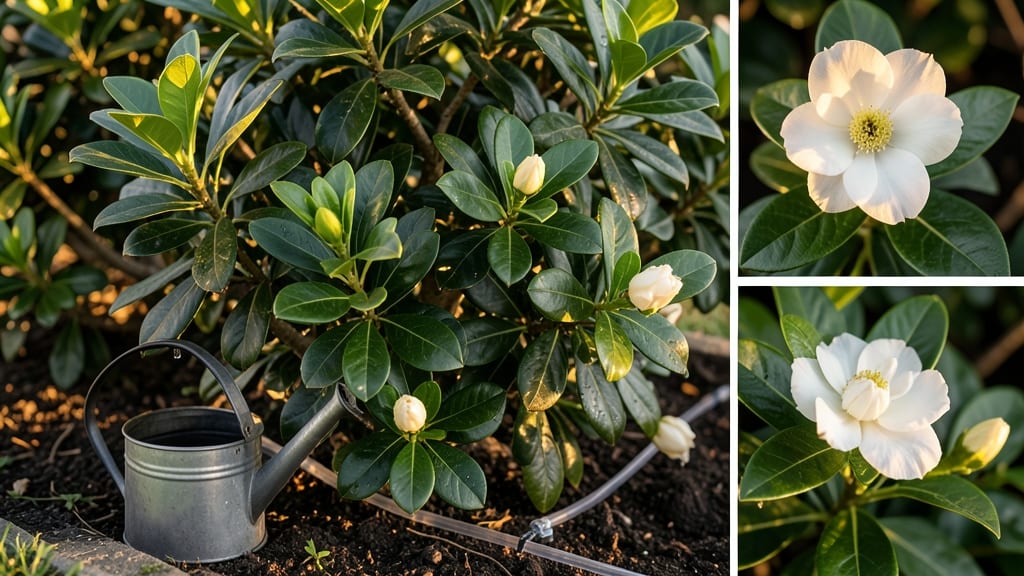
Gardenias don't bloom all summer continuously but instead follow natural cycles, with peak flowering in late spring to early summer and occasional blooms in fall when you remove spent flowers. Different varieties and growing zones affect how long and frequently they produce flowers.
Gardenias are sensitive to temperature shifts, thriving best in USDA zones 7-10 where warm, humid conditions trigger their blooming instincts. 🌸 The jasmine-scented gardenia (G. jasminoides) typically produces the most abundant flowers, while climbing varieties like G. radicans may bloom more sporadically.
What's fascinating is how these plants respond to seasonal cues—they often pause flowering during extreme heat or drought, then rebound when conditions stabilize.
To encourage more blooms, I've found that deadheading (removing faded flowers) and light pruning after blooming seasons are critical. The key is maintaining consistent moisture without waterlogging the roots, as gardenias hate soggy soil.
Many gardeners swear by a balanced fertilizer during active growth phases to support flower production, though over-fertilizing can actually reduce blooming.
💡 In This Article
- Gardenia Bloom Cycles: Heat Zones and Varietal Differences
- Extending Gardenia Blooms: Deadheading, Pruning, and Care Tips
Gardenia bloom cycles: heat zones and varietal differences
Gardenias follow a natural blooming rhythm tied to their tropical origins, where they evolved in warm, humid climates of Southeast Asia. The most critical factor is temperature—these plants thrive in USDA zones 7-10, where daytime highs of 75-85°F and nighttime lows above 60°F trigger their flowering instincts.
When temperatures dip below 55°F or climb above 90°F for extended periods, buds often abort or fail to open, creating the illusion of seasonal dormancy rather than continuous blooming. 🌿
The jasmine-scented gardenia (G. jasminoides), the most common variety, produces its heaviest blooms from late spring to early summer (May-June in most regions), with sporadic secondary blooms in fall if given proper care.
This species typically flowers for 4-6 weeks continuously during peak season, but individual blooms last only 3-5 days before wilting.
In contrast, climbing varieties like G. radicans may bloom more erratically throughout summer, producing fewer but longer-lasting flowers (up to 7 days per bloom) that appear in clusters along their vines.
Humidity plays an equally vital role—gardenias require 50-70% relative humidity to prevent bud drop. In arid climates (like USDA zone 9b+), you'll often see blooming stall entirely during summer's peak heat unless you provide afternoon shade or misting.
The plant's natural response is to conserve energy during stress, redirecting resources to root and leaf growth rather than flower production. This is why gardenias in coastal regions (with natural humidity) tend to bloom more prolifically than those in inland desert areas. 💧
Light exposure also creates significant variation. Gardenias need bright, indirect light—direct sun can scorch leaves and trigger premature bud drop, while too little light weakens the plant's ability to produce flowers.
In USDA zone 8, where summers are hot but winters mild, gardenias may produce two distinct bloom cycles: one in spring and another in early fall when temperatures moderate.
The key difference between varieties lies in their tolerance for heat stress—G. augusta varieties often handle 95°F+ better than classic jasminoides, making them better choices for southern climates.
What most gardeners don't realize is how soil pH affects blooming patterns. Gardenias thrive in acidic soil (pH 5.0-6.5)—when pH rises above 7.0, nutrient uptake suffers, particularly for magnesium and iron, which are critical for flower development. This often manifests as yellowing leaves paired with reduced blooming.
In USDA zone 10, where gardenias can bloom year-round with ideal conditions, the limiting factor becomes water quality—chlorinated or alkaline water can stress the plant just as much as temperature extremes. 💡
Consider these key factors when selecting varieties for your climate:
- Zone 7-8: Choose G. jasminoides 'Kleim's Hardy'—it tolerates brief cold snaps and produces reliable spring blooms
- Zone 9-10: Opt for G. augusta 'Radicans' for heat tolerance and extended summer flowering
- Coastal areas: *G. jasminoides 'Veitchii' thrives in humidity and produces abundant, fragrant blooms