
Blooming
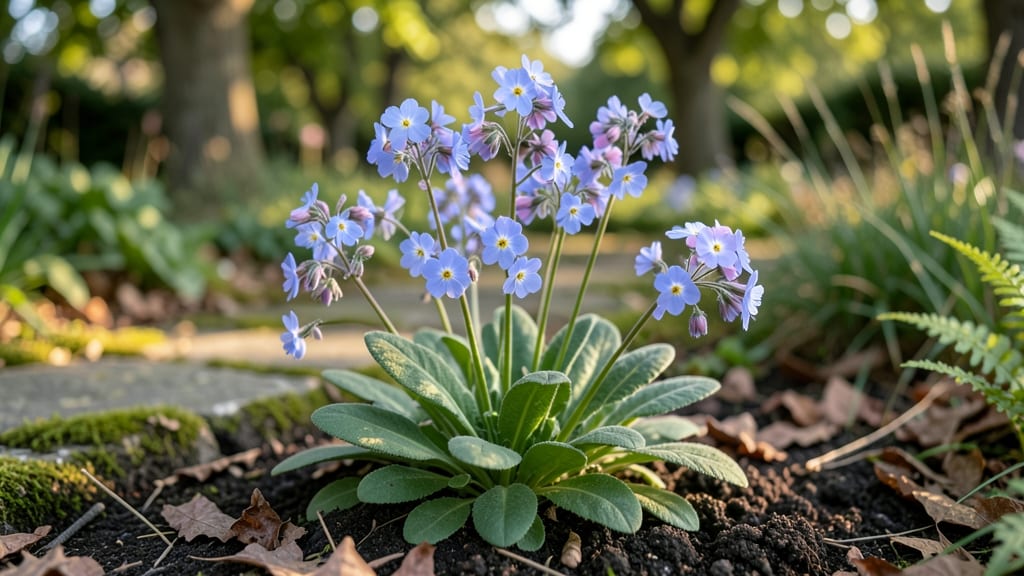
Forget-me-nots don't naturally bloom all summer—most varieties produce flowers primarily in spring and early summer, with only hardy perennials potentially reblooming through late summer when given proper deadheading and consistent moisture. Annual types like Myosotis sylvatica typically decline by midsummer without cool-season triggers.
Understanding forget-me-not blooming patterns starts with recognizing their natural seasonal rhythms.
Most varieties are cool-season plants that respond to temperature drops, which is why their peak flowering occurs in spring and early summer. 🌸 The key to extending their bloom period lies in cultivating the right conditions—particularly for perennials—which can encourage sporadic summer reblooming when you remove spent flowers regularly.
Annual forget-me-nots, on the other hand, follow a strict one-season lifecycle unless you're growing them in cooler climates where they might linger slightly longer.
What many gardeners don't realize is that forget-me-nots actually prefer cooler temperatures—heat stress causes them to bolt prematurely. That's why proper deadheading (removing faded blooms) and maintaining even moisture levels can sometimes coax a second flush of flowers in late summer, especially with perennial varieties.
The secret weapon here is patience combined with consistent care—these delicate flowers reward attentive gardeners with extended displays when given the right growing conditions.
💡 In This Article
- Forget-Me-Not Flowering Seasons by Variety
- Deadheading and Care Tips for Longer Forget-Me-Not Blooms
Forget-me-not flowering seasons by variety
The blooming habits of forget-me-nots (Myosotis spp.) vary dramatically between annual and perennial varieties, with temperature acting as the primary trigger. Annual forget-me-nots like Myosotis sylvatica typically produce flowers from late spring through early summer, with peak blooming occurring at 50-65°F temperatures.
Once summer heat exceeds 75°F, these plants often enter senescence, completing their lifecycle within 8-12 weeks of germination. The delicate blue flowers you love so much are actually a response to cooler daytime temperatures and longer daylight hours in spring.
Perennial forget-me-nots offer more flexibility for summer blooming, particularly cold-hardy alpine varieties like Myosotis alpestris which thrive in USDA Zones 3-7. These hardy types may produce sporadic summer blooms when given proper care, especially if you maintain soil moisture at 1-1.5 inches per week during dry periods.
The key difference lies in their root systems—perennials develop deeper roots that allow them to access moisture during summer heat, while annuals rely solely on surface water.
Some gardeners report seeing second flushes of blooms in late summer when nighttime temperatures drop below 60°F, though this is never as prolific as spring blooming.
Daylight length also plays a crucial role in forget-me-not flowering patterns. Most varieties are long-day plants, meaning they flower in response to increasing daylight hours (14+ hours). This explains why they bloom so vigorously in spring but struggle in summer's shorter daylight periods.
The alpine varieties can sometimes break this pattern, producing smaller summer blooms when given partial shade (30-50% shade cloth) to protect them from intense afternoon sun. This shade protection helps maintain cooler root zones, which is critical for encouraging any summer reblooming.
What surprises many gardeners is how soil temperature affects flowering. Forget-me-not roots prefer soil temperatures between 55-65°F—any warmer and the plants may go dormant. This is why mulching with 2-3 inches of organic matter (like straw or shredded leaves) can help maintain optimal root zone temperatures during summer months.
The mulch also conserves moisture, which is essential since forget-me-nots are particularly sensitive to drought stress during their summer dormancy period.
Color variations also influence blooming patterns. The classic blue forget-me-nots (Myosotis sylvatica) typically bloom earlier than white or pink varieties, which often have slightly longer summer displays. This genetic difference means white forget-me-nots may persist 2-3 weeks longer in summer conditions than their blue counterparts.
The reason lies in their slightly higher heat tolerance, though they still require consistent moisture to prevent bolting.
For gardeners in warmer climates (Zones 8+), the solution lies in growing forget-me-nots as cool-season annuals planted in fall for winter/spring blooms rather than spring for summer blooms. This timing shift takes advantage of their natural cool-season preferences while avoiding summer heat stress entirely.
The tradeoff is losing summer blooms, but the winter displays can be equally stunning when grown with proper care.