
Blooming
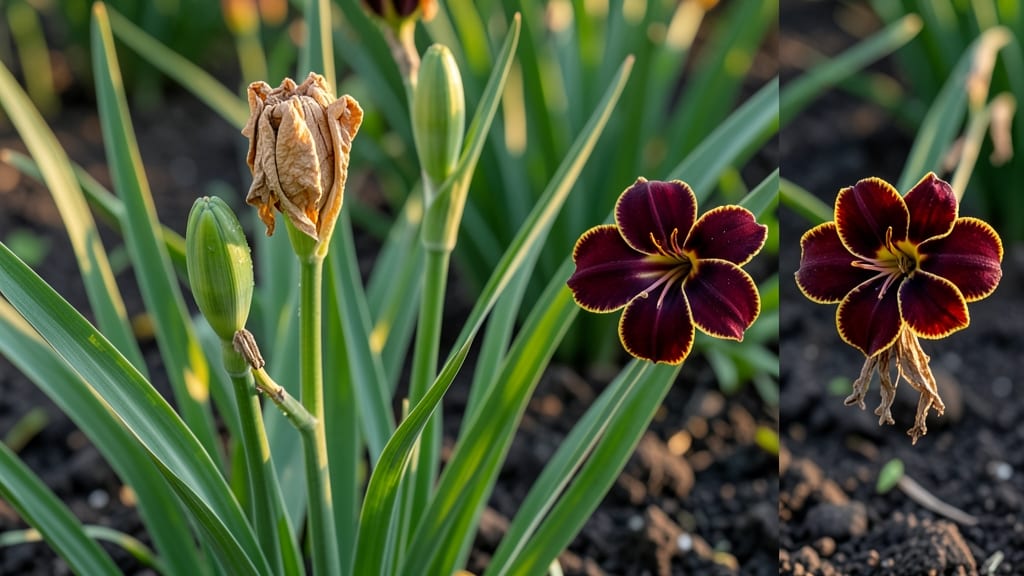
Reblooming daylilies do bloom more than once, producing vibrant flowers in spring and again in late summer or fall, while single-bloom types only flower once in early summer. The right variety and proper care make all the difference.
Not all daylilies are created equal—reblooming varieties like 'Stella de Oro' or 'Happy Returns' can produce two to three flower cycles per season, thanks to their genetic ability to respond to seasonal cues. 🌸 The key difference lies in their growth habits: rebloomers store energy efficiently, while single-bloomers focus all their energy on that one spectacular early-summer show.
For best results, I recommend planting rebloomers in well-draining soil with consistent moisture and a balanced fertilizer in early spring to fuel those extra blooms.
What many gardeners don't realize is that reblooming potential also depends on your climate. In warmer regions, daylilies might produce a third bloom in early winter, while northern gardens typically see just two flushes.
The secret? Pruning spent blooms promptly and providing winter mulch in colder zones to protect the crowns. With the right approach, you can turn your daylily patch into a continuous summer-long display!
💡 In This Article
- How Daylily Varieties Differ in Reblooming Behavior
- Tips to Encourage Daylily Reblooming Success
How daylily varieties differ in reblooming behavior
Daylilies (Hemerocallis spp.) fall into two distinct categories based on their blooming patterns: single-bloom and reblooming varieties. Single-bloomers, like 'Happy Returns' or 'Pardon Me,' focus all their energy on one spectacular 3-4 week flowering period in early summer, typically between May and June.
These types store minimal energy reserves for future blooms, instead prioritizing root and foliage development. In contrast, rebloomers like 'Stella de Oro' or 'Happy Returns' (yes, some names can be confusing!) produce two to three flower cycles per season by efficiently storing carbohydrates in their rhizomes during the off-season.
The magic happens at the genetic level. Reblooming daylilies have a unique ability to respond to seasonal temperature shifts and daylight changes. They enter a dormancy-like state after their first bloom, then "wake up" in late summer when warmer temperatures and longer daylight hours trigger new flower buds.
This process is controlled by photoperiodism—their internal clock that detects day length changes. Single-bloomers lack this genetic flexibility and simply shut down after their initial flowering. Interestingly, some rebloomers in USDA Zones 8-10 may produce a third bloom in early winter when temperatures remain mild.
What you'll notice in the garden is the dramatic difference in flower production. A well-cared-for rebloomer like 'Evening Star' might give you 10-15 blooms per stalk across multiple flushes, while a single-bloomer like 'Pardon Me' delivers 20-30 blooms all at once but then goes dormant.
The trade-off is clear: single-bloomers offer a more concentrated display, while rebloomers provide continuous color from spring through fall. The choice depends on whether you prefer a dramatic summer show or a prolonged garden performance.
Daylight exposure plays a crucial role in reblooming success. Most reblooming varieties need at least 6 hours of direct sunlight daily to store enough energy for multiple blooms. In shadier conditions (like 4-5 hours of sun), they'll revert to single-blooming behavior.
This is why gardeners in northern climates often see more reliable reblooming than those in southern regions where intense summer heat can stress the plants. The ideal scenario combines moderate temperatures (60-80°F) with consistent moisture to keep the rhizomes actively growing between bloom cycles.
Here's what happens under the soil: Reblooming daylilies develop secondary buds along their rhizomes that remain dormant until triggered by environmental cues. These buds contain the genetic potential for future flowers, but they need proper care to activate.
Single-bloomers, meanwhile, produce only primary buds that bloom once and then die back. The difference is like comparing a perennial fruit tree (rebloomer) to a one-time blooming annual (single-bloomer)—one keeps producing with proper care, while the other gives it all in one go.
For those curious about the science, reblooming is controlled by a combination of genetic traits and environmental triggers. Researchers have identified specific genes in daylilies that regulate flowering time and dormancy cycles.
When you see a daylily catalog listing "reblooming" varieties, you're looking at plants that have been selectively bred to maintain active growth throughout the season. This genetic modification explains why some daylilies can produce flowers even after being divided in late summer—their growth centers remain active longer than single-bloomers.