
Blooming
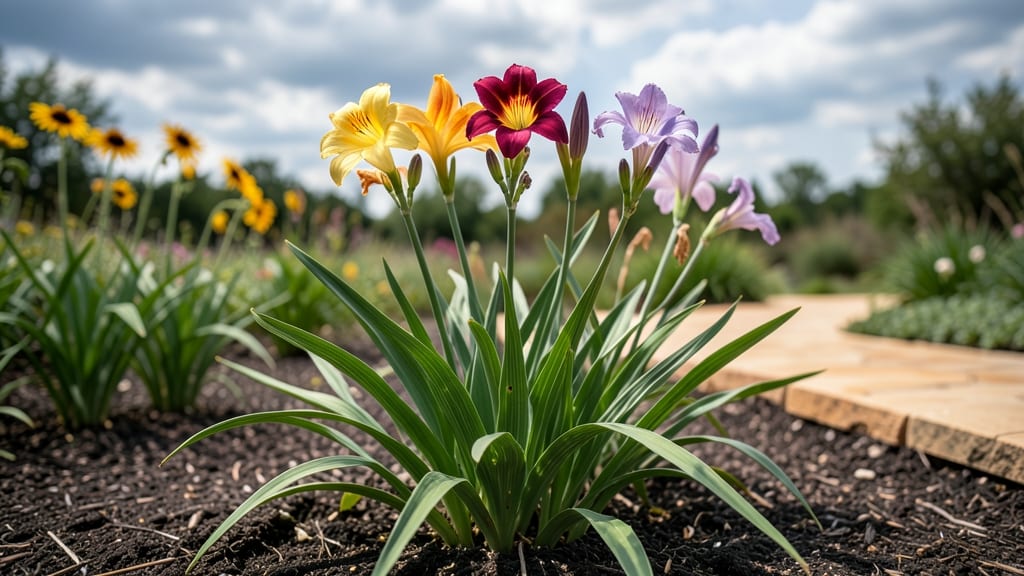
Yes, daylilies bloom all summer in many varieties thanks to their heat-triggered rebloom cycle, which produces multiple flushes of flowers from early summer until frost if deadheaded and given proper care.
Daylilies are famous for their prolonged blooming season, often lasting from June through September—or even later—when grown in optimal conditions. 🌸 Unlike many perennials that bloom once and fade, daylilies trigger new flower buds in response to heat and sunlight, creating a continuous display.
This reblooming habit makes them a gardener's favorite for summer color, especially in zones where hot weather persists. The key to unlocking this performance lies in proper care: consistent watering, regular deadheading, and balanced fertilization all play crucial roles in sustaining those vibrant blooms.
What sets reblooming varieties apart is their genetic ability to produce secondary flower stalks after the initial bloom cycle. Single-bloom cultivars (like 'Stella de Oro') focus energy on one spectacular show, while rebloomers like 'Happy Returns' or 'Pardon Me' keep producing flowers throughout the season.
The trade-off? Rebloomers often bloom slightly later in spring but make up for it with their extended summer performance.
💡 In This Article
- How Daylily Reblooming Works: Heat and Light Triggers
- Tips to Extend Daylily Blooms Through Summer Heat
How daylily reblooming works: heat and light triggers
The daylily's ability to rebloom stems from its unique response to environmental cues, particularly temperature and daylight. Unlike annuals that bloom once, daylilies (Hemerocallis spp.) trigger new flower buds when daytime temperatures consistently reach 75-85°F for at least 2-3 weeks.
This heat threshold activates dormant flower buds in the plant's rhizomes, which are underground stems. The process is similar to how some fruit trees produce second crops when warm weather persists after their initial bloom.
Daylight hours also play a crucial role—reblooming varieties typically need 14-16 hours of sunlight daily to maintain continuous flowering.
The plant's internal clock, called photoperiodism, detects these long days and signals the rhizomes to produce new flower stalks. Single-bloom cultivars often have a genetic limitation that prevents this second stimulus, while rebloomers like 'Midnight Oil' or 'Evening Star' have been selectively bred to override this restriction. The trade-off?
Rebloomers may require more nutrients and water to sustain their extended performance.
What's fascinating is how the plant's maturity affects reblooming. Younger plants (1-2 years old) often focus energy on root and foliage growth rather than flowers, while established daylilies (3+ years) have stronger rhizomes capable of supporting multiple bloom cycles.
The flower buds form in clusters along the scape (flower stalk), with each bud opening for just 24-48 hours before wilting—this rapid turnover creates the illusion of continuous blooming when new buds keep forming.
Temperature fluctuations can disrupt this cycle. If summer nights drop below 55°F for extended periods, the plant may enter dormancy prematurely, halting reblooming. Conversely, consistent heat above 90°F can stress the plant, causing buds to drop before opening.
The sweet spot is 80-85°F days with 60-65°F nights, which most reblooming varieties thrive in. This explains why daylilies often perform best in USDA zones 4-9, where summer heat is prolonged but not extreme.
Here's what's actually happening at the cellular level: Heat triggers the production of gibberellins, a class of plant hormones that promote flower development. These hormones travel through the plant's vascular system to the rhizomes, where they stimulate bud formation.
Meanwhile, the plant's photosynthetic machinery (primarily in the leaves) converts sunlight into energy to fuel this process. The result is a self-sustaining cycle where heat generates flowers, and flowers generate more energy through photosynthesis—until frost finally breaks this chain.
The color variation among daylilies—from pale yellow 'Happy Returns' to deep purple 'Black Beauty'—doesn't affect reblooming mechanics, but darker varieties may require slightly more sunlight to maintain their pigment intensity during extended blooming periods.
This is why gardeners often pair lighter and darker cultivars together: the lighter ones thrive in partial shade while darker varieties demand full sun to prevent fading.