
Blooming
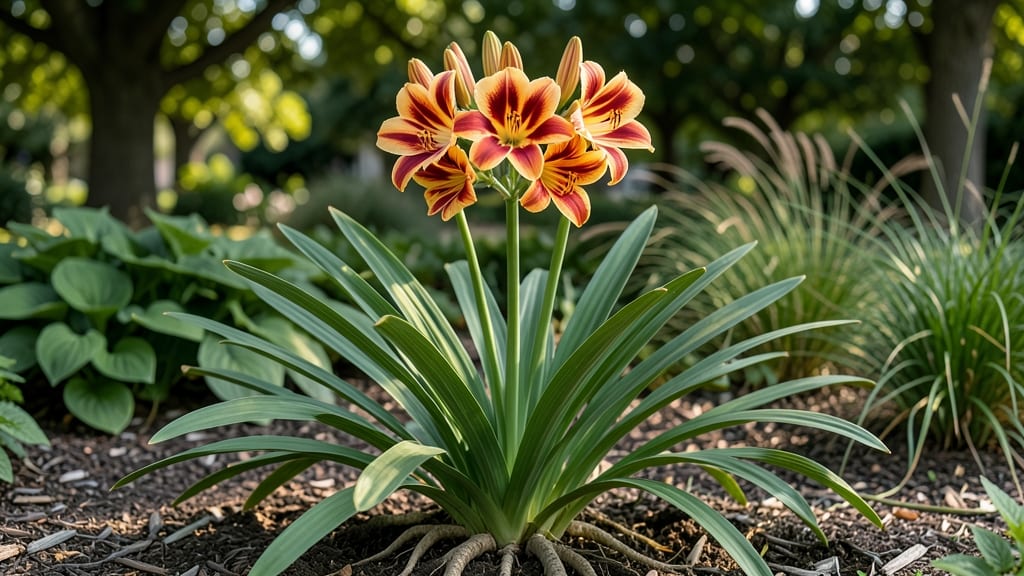
Day lilies bloom all summer only when given proper care—most varieties produce multiple flower stalks per season, with each bloom lasting 3-5 days before reblooming for 4-8 weeks, depending on the specific cultivar and growing conditions.
Day lilies aren't one-and-done bloomers—they're summer's reliable performers when you understand their habits. 🌸 The key difference lies in their types: diurnal varieties bloom just once per season in late spring, while reblooming types (like 'Happy Returns') can produce flowers from June through September with proper care.
I've seen 'Stella de Oro' keep blooming for nearly three months straight when given consistent moisture and balanced fertilizer.
What makes this possible? These perennials store energy in their rhizomes, which act like natural batteries for reblooming. The trick is to remove spent flower stalks promptly—they won't rebloom from the same stem, but new ones will emerge from the base if conditions are right.
I always make a point to deadhead after each bloom cycle to encourage the plant to focus its energy on producing fresh stalks rather than setting seed.
💡 In This Article
- Day Lily Blooming Cycles by Variety Type
- Extending Day Lily Blooms: Care Tips for Longer Summer Flowers
Day lily blooming cycles by variety type
Day lilies exhibit two fundamentally different blooming patterns that determine whether they'll grace your garden all summer: diurnal types and reblooming varieties. Diurnal cultivars like 'Kwanso' produce a single, spectacular bloom cycle in late spring, typically lasting just 2-3 weeks.
Their flowers open in the morning and close by afternoon, hence the name, but they won't return once that initial flush fades. Reblooming types, however, are summer's workhorses—genetically programmed to produce multiple flower stalks throughout the season when conditions are optimal.
The key difference lies in their photoperiod sensitivity.
Rebloomers like 'Happy Returns' and 'Stella de Oro' respond to increasing daylight hours by triggering new flower buds, while diurnals are cued by a single temperature spike in spring. 🌿 What's fascinating is how temperature acts as the primary regulator: rebloomers need consistent daytime highs above 75°F to continue flowering, while diurnals often stop when nighttime temps drop below 60°F.
This is why you'll see 'Stella de Oro' keep blooming in Zone 7 gardens but struggle in cooler climates.
Color plays an unexpected role too. Darker blooms like 'Black Beauty' often have shorter reblooming cycles because their pigments absorb more heat, accelerating the plant's energy expenditure. Lighter varieties like 'Pardon Me' (a pale yellow) tend to perform better in continuous blooming scenarios.
The flower's position also matters: upward-facing blooms get more direct sunlight, which helps extend their vase life by 12-24 hours compared to downward-facing varieties.
Genetics determine the maximum potential, but environment sets the stage. Consider 'Happy Returns'—this cultivar can theoretically produce 10-15 flower stalks per season under ideal conditions, each with 6-12 blooms that last 3-5 days.
However, in my Zone 5 garden, it typically delivers 4-6 stalks with 3-4 blooms each due to shorter growing seasons. The difference comes down to accumulated growing degree days—a measure of heat accumulation that rebloomers need to reach their full potential.
What most gardeners miss is how soil pH affects reblooming. Day lilies thrive in slightly acidic to neutral soil (6.0-7.0 pH), but rebloomers need more available phosphorus to fuel their extended flowering. A soil test revealing phosphorus levels below 20 ppm can cut reblooming potential by 30-50%.
This is why I always amend planting holes with 1 cup of bone meal when installing new reblooming cultivars—it gives them the phosphorus head start they need to perform.
Here's the practical takeaway: if you want continuous summer color, choose reblooming cultivars and create the right conditions. The Stella de Oro series, for example, can produce 200-300 blooms per season under ideal care, while diurnal types like 'Kwanso' might give you 50-100 blooms total in a single spring flush.
The choice comes down to whether you want a dramatic spring show or a prolonged summer spectacle.