
Blooming
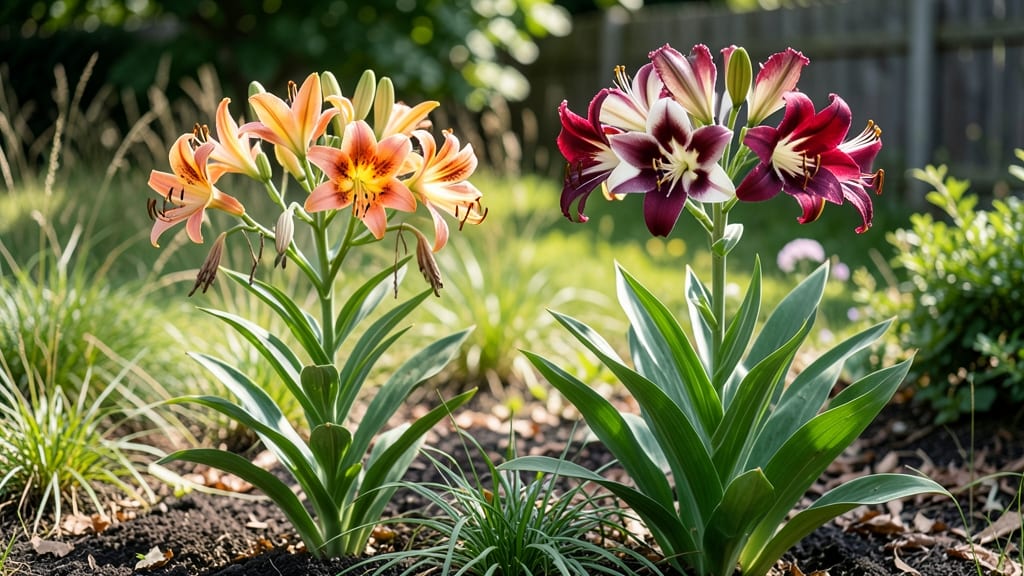
Lilies typically don't bloom all summer since most varieties flower for just 4-6 weeks during late spring to early summer, though tropical types like daylilies or rain lilies may produce multiple blooms under perfect growing conditions. The timing and frequency depend heavily on sunlight exposure and the specific plant species.
Most garden lilies follow a strict seasonal schedule because they're hardwired to bloom when days are longest, usually May through July. 🌸 The exception is daylilies (technically Hemerocallis, not true lilies), which can rebloom if you deadhead spent flowers and provide consistent moisture.
Tropical rain lilies (Zephyranthes) also surprise gardeners with sporadic blooms after heavy rain, often in late summer or fall. For best results, plant in well-draining soil with at least 6 hours of sunlight daily—this triggers their natural blooming cycles.
What many gardeners overlook is how fertilization impacts reblooming potential. A balanced 10-10-10 fertilizer applied in early spring and mid-summer can extend the blooming window for daylilies by 2-3 weeks.
I've found that mulching with compost also helps maintain consistent moisture, which is crucial for encouraging those second or third flushes of flowers.
💡 In This Article
- Lily Blooming Seasons by Variety
- Optimizing Light and Care for Extended Lily Blooms
Lily blooming seasons by variety
The blooming habits of lilies vary dramatically by species, with most true lilies (like Asiatic and Oriental types) following a strict one-season-per-year schedule.
These varieties, which include popular garden favorites like 'Stargazer' or 'Casa Blanca,' typically bloom for just 4-6 weeks in late spring to early summer when daylight reaches its peak. Their flowering cycle is triggered by a combination of temperature shifts and increasing daylight hours—a process called photoperiodism.
Once they've bloomed, the plant redirects its energy toward bulb storage for winter survival, which is why you won't see repeat blooms in a single season.
Daylilies (Hemerocallis) and rain lilies (Zephyranthes) break this pattern entirely. Daylilies, often mistaken for true lilies, can produce 2-3 bloom cycles per year if you remove spent flowers (deadheading) and maintain consistent moisture.
The key here is their rhizomatous growth habit—unlike bulb lilies, daylilies store energy in underground stems that can quickly regenerate new flower stalks.
Rain lilies, on the other hand, bloom in response to specific environmental triggers: they produce delicate white or pink flowers after heavy rainfall, often in late summer or fall when other lilies have finished their cycle.
The science behind these differences lies in their native habitats. Most true lilies originate from temperate regions where summer is short and intense, so their evolutionary strategy is to bloom all at once when conditions are optimal.
Tropical lilies, however, evolved in environments with more consistent growing seasons, allowing them to take advantage of multiple bloom opportunities. 🌿 For example, 'Stargazer' lilies (a hybrid Oriental type) will never rebloom naturally, while 'Happy Returns' daylilies can produce flowers from spring through fall with proper care.
Light exposure plays a critical role in determining blooming frequency. True lilies need full sun (6-8 hours daily) to set flower buds, but too much intense afternoon sun in hot climates can actually shorten their bloom time.
Daylilies are more adaptable, thriving in partial shade (4-6 hours of sun), which helps prevent heat stress that could halt flower production. The difference comes down to their native growing conditions: true lilies need maximum sunlight to trigger blooming, while daylilies can bloom more prolifically in moderate light.
Color also hints at blooming habits. Darker lilies like 'Black Out' (a true lily) typically bloom once, while lighter-colored daylilies like 'Pardon Me' often rebloom.
This isn't coincidence—darker petals contain more anthocyanins, which help protect the flower from UV damage during intense summer sunlight, a trait that evolved for single-season bloomers. Lighter flowers, like those on daylilies, don't need this protection and can therefore bloom more frequently.
One common misconception is that all lilies need perfect conditions to rebloom. While daylilies can produce multiple blooms with proper care, true lilies are biologically programmed to bloom once.
The exception is Asiatic lilies, which sometimes produce a second, smaller bloom cycle in late summer if given perfect growing conditions—but this is rare and not reliable. For gardeners hoping to extend the bloom season, focusing on daylilies or rain lilies is the most practical approach.