
Blooming
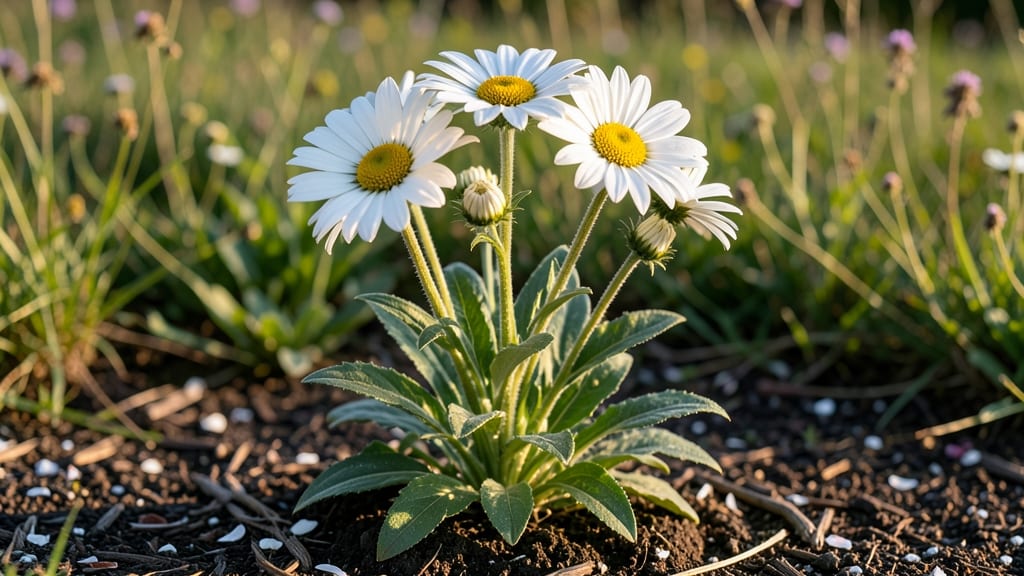
Daisies don't bloom all summer continuously; most varieties flower primarily in late spring through early fall, with their peak bloom cycles lasting 4-8 weeks depending on the type and your local climate. Perennial daisies can produce additional blooms if you remove spent flowers, while annual varieties typically bloom once before fading.
Daisies follow natural seasonal rhythms that align with their life cycles. Perennial daisies like Shasta or Oxeye often enter dormancy during winter months, while annual varieties complete their entire life cycle in one growing season.
The timing also varies by region—cooler climates may see shorter bloom periods compared to warmer areas. 🌸 What's interesting is how deadheading (removing faded blooms) can trick many perennials into producing a second flush of flowers later in the season.
For gardeners wanting continuous color, selecting a mix of early-, mid-, and late-season varieties creates a staggered bloom effect. Sunlight exposure plays a crucial role too—most daisies thrive in full sun (6+ hours daily), but some shade-tolerant varieties can extend their blooming periods slightly.
The key is understanding your specific daisy types' natural tendencies and adjusting care accordingly.
💡 In This Article
- Daisy Blooming Seasons by Variety
- Extending Daisy Blooms: Pruning and Care Tips
Daisy blooming seasons by variety
Annual daisies like the vibrant Gerbera Daisy or African Daisy follow a strict one-season timeline, typically blooming from early summer through early fall. Their life cycle is complete in just 90-120 days, meaning they produce flowers nonstop during their active growing period but vanish entirely after frost.
This contrasts sharply with perennials like Shasta Daisies, which establish strong root systems their first year and then bloom prolifically for 4-6 weeks in late spring to early summer.
The key difference lies in their biological strategies. Annuals invest all energy into rapid growth and flowering within one season, while perennials conserve resources to survive winter dormancy. For example, Oxeye Daisies often produce two bloom cycles—one in spring and another in late summer—if given proper care.
Regional climates dramatically affect these patterns: In Zone 5 (cold winters), daisies may bloom 2-3 weeks later than in Zone 9 (mild winters), where they might enjoy extended summer flowering.
Temperature triggers these cycles. Most daisies require consistent daytime temps above 60°F to initiate blooming, but nighttime temperatures below 55°F can stunt flower production. This explains why daisies in cooler maritime climates often have shorter bloom windows compared to their desert counterparts.
The Gerbera Daisy, for instance, thrives in 70-80°F days but wilts if exposed to prolonged heat above 90°F, causing early bloom termination.
What's fascinating is how some varieties exhibit "false dormancy" in warm climates. Shasta Daisies planted in Southern California might produce sporadic blooms throughout summer if not properly rested, while the same variety in New England will follow a strict spring-only schedule.
This regional variation means gardeners in Zone 7-10 can often coax second blooms by mimicking seasonal cues with controlled watering and pruning.
Consider these seasonal patterns when selecting varieties: Annuals offer instant summer color but require replanting yearly, while perennials demand patience but reward with multi-year blooms. The trade-off lies in their maintenance needs—annuals need consistent care during their brief lifespan, while perennials require winter protection but thrive with minimal summer attention.
For gardeners chasing continuous blooms, mixing early-blooming varieties (like Nippon Daisies in March-April) with late-season types (such as Painted Daisies in August-September) creates a natural succession effect. This strategic pairing extends your floral display by 8-12 weeks beyond what single varieties could achieve alone.