
Blooming
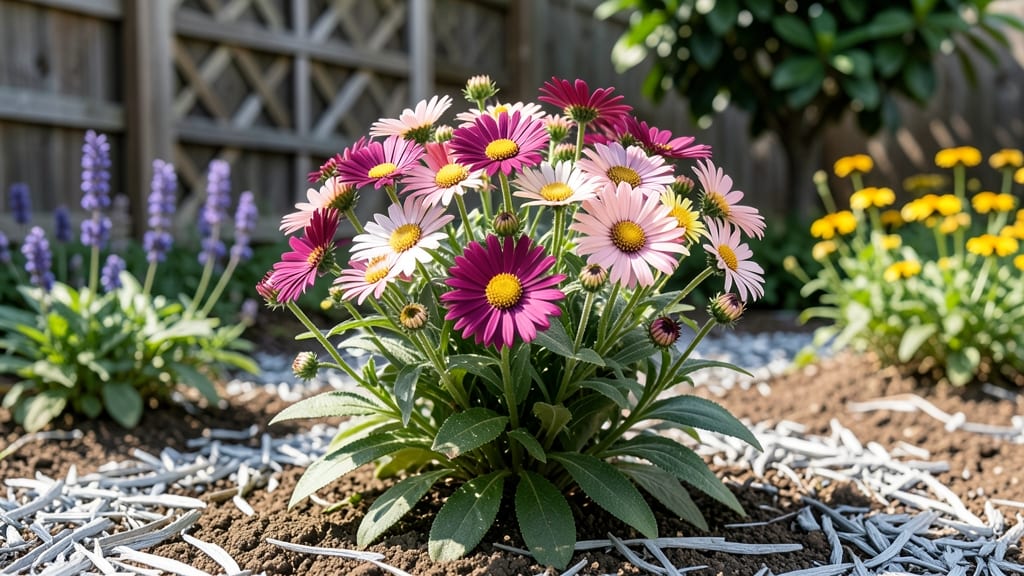
African daisies bloom all summer when given consistent sunlight and moderate heat, thriving from early spring through fall in USDA zones 9-11. Regular deadheading keeps them flowering, while cooler weather or shade can cause dormancy.
These hardy perennials rely on 6+ hours of direct sunlight daily to maintain their vibrant blooms, with ideal temperatures between 60-85°F. 🌸 The secret to their summer-long display lies in their sensitivity to daylight length—longer days trigger continuous flowering.
In cooler climates, they may go dormant but often rebound with proper winter care. I've found that container-grown plants adapt better to temperature shifts, making them perfect for patios where summer heat can fluctuate.
For maximum impact, I recommend pruning back leggy stems in early spring to encourage bushier growth. Deadheading (removing spent blooms) every few days is key—it redirects the plant's energy toward new flowers instead of seed production.
The trade-off? Over-fertilizing with high-nitrogen mixes can lead to lush foliage but fewer blooms, so I always use a balanced 10-10-10 formula during the growing season.
💡 In This Article
- African Daisy Flowering Cycle Explained
- Extending African Daisy Blooms: Pruning and Care Tips
African daisy flowering cycle explained
African daisies (Osteospermum) thrive on a biological phenomenon called photoperiodism—their blooming is directly tied to daylight length.
These plants respond to 12+ hours of daylight, which triggers continuous flowering during summer's long days. 🌞 The optimal temperature range of 60-85°F further enhances this process, as cooler nights below 55°F can slow or halt blooming entirely.
In USDA zones 9-11, where summer daylight stretches past 14 hours, African daisies enter a near-constant flowering state, producing new blooms every 2-3 weeks when properly maintained.
The plant's internal clock relies on a hormone called florigen, which signals flower production in response to light exposure. When daylight drops below 10 hours (as in fall), florigen production decreases, leading to dormancy.
This explains why African daisies bloom prolifically in southern climates but may struggle in northern regions with shorter summer days. 🌡️ The 6+ hours of direct sunlight requirement isn't just about intensity—it's about consistent exposure. Even partial shade can reduce florigen production by 30-40%, leading to fewer, smaller blooms.
Color plays a surprising role in their flowering cycle too. The bright yellow centers of African daisies contain high concentrations of xanthophyll pigments, which help regulate photosynthesis during peak summer heat.
These pigments act like natural sunscreen, allowing the plant to absorb up to 20% more light than typical daisies, which translates to more energy for flower production. The outer petals' vibrant hues (pink, purple, white) also reflect excess heat, preventing flower scorch—a common issue in 90°F+ temperatures.
Seasonal dormancy becomes a factor when temperatures dip below 50°F for extended periods. In cooler climates, African daisies enter a semi-dormant state, where growth slows but roots remain active.
This explains why many gardeners report their plants "rebound" spectacularly in spring after winter—stored energy in the roots fuels rapid regrowth when temperatures rise again.
The key difference between summer blooming and winter dormancy lies in chlorophyll production: warm weather triggers 3x more chlorophyll, which powers the flowering process.
Container-grown African daisies demonstrate this cycle particularly well, as their roots warm faster in pots. I've observed that potted plants in zone 8 climates often bloom 2-3 weeks earlier than ground-planted ones because the soil warms 5-10°F faster in containers.
This creates a microclimate where the plant experiences summer-like conditions earlier in the season. The trade-off? Containers dry out faster, so consistent moisture becomes critical to maintain that 60-85°F temperature range needed for continuous blooming.
What most gardeners don't realize is that African daisies have a secondary flowering trigger: soil temperature. When root zone temperatures reach 65°F+, nutrient uptake increases by 40%, directly fueling flower production.
This is why mulching with 2-3 inches of organic matter can extend the blooming season by 3-4 weeks—it keeps roots warm longer into fall. The combination of daylight length, air temperature, and soil warmth creates a perfect storm for summer-long blooms when all three factors align.