
Blooming
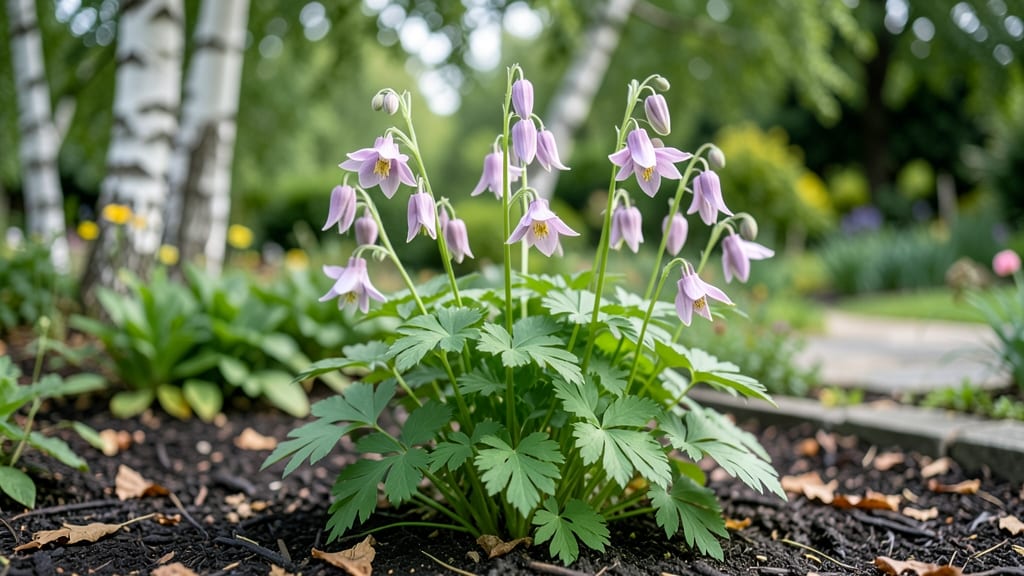
Columbines bloom all summer with proper care, though their exact flowering window depends on species and growing conditions, often spanning from early summer through early fall. Regular deadheading of spent blooms stimulates continuous reblooming and promotes stronger plant health.
Columbines are summer's underrated stars, but their blooming habits depend heavily on variety and growing conditions. 🌸 While some species like Columbine canadensis (wild columbine) thrive in cooler climates and may bloom from late spring to early fall, others like Columbine vulgaris (European columbine) often peak in late spring but can extend into summer with ideal care.
The key is understanding your specific variety's preferences—altitude, sunlight exposure, and soil moisture all play critical roles in determining just how long those delicate flowers will grace your garden.
What truly extends their summer display? Deadheading—removing spent blooms—is your secret weapon.
I've found that pinching off faded flowers just above the nearest set of leaves redirects the plant's energy toward new growth rather than seed production. 🌿 For best results, do this in the morning when the blooms are dry, using clean pruners or even your fingers.
Pair this with consistent watering (about 1 inch per week) and well-draining soil, and you'll transform a single-season show into a continuous summer spectacle.
💡 In This Article
- Columbine Flowering Seasons by Species and Climate
- Deadheading Columbines for Longer Summer Blooms
Columbine flowering seasons by species and climate
Columbines exhibit remarkable diversity in their blooming patterns, with some varieties stretching their displays well into summer while others peak early. The wild columbine (Aquilegia canadensis) thrives in cooler northern climates and typically blooms from late May through August, often extending into September in ideal conditions.
Meanwhile, European columbine (Aquilegia vulgaris) tends to bloom earlier—May to June—but can produce sporadic summer flowers if given consistent moisture and partial shade.
Altitude plays a surprising role in columbine flowering. Plants grown at elevations above 5,000 feet often bloom later in the season due to cooler temperatures, which delay their growth cycle. In contrast, lowland varieties may finish blooming by early July unless deadheaded regularly.
Heat tolerance varies too: Rocky Mountain columbine (Aquilegia flavescens) handles dry heat better than its moisture-loving cousins, making it a better choice for USDA zones 5-8 with hot summers.
The color of the blooms also hints at their seasonality. Red and orange columbines often bloom earlier in spring, while blue and purple varieties tend to extend their displays into summer.
This isn't just coincidence—it's tied to how different pigments respond to light intensity. The deeper hues absorb more heat, allowing these varieties to continue flowering as summer temperatures rise. 🌸
Climate extremes can dramatically shorten blooming periods. In areas with high humidity (like the Southeast), columbines may suffer from fungal diseases that weaken plants before they can rebloom. Conversely, arid western climates require supplemental watering to maintain consistent flowering.
The key is matching your columbine species to your local microclimate—some varieties simply can't handle the heat or drought conditions of others.
For gardeners in transitional zones (like zone 7), the secret to summer blooms lies in choosing heat-tolerant hybrids like 'McKana's Giant' or 'Goldfinger', which were bred specifically to extend their flowering season.
These varieties often produce 2-3 inches larger blooms than wild types and continue flowering for 6-8 weeks longer with proper care.
What's happening biologically? When columbines sense longer daylight hours (typically after June 21), they enter a natural dormancy phase unless stimulated by deadheading. This is why some varieties appear to "disappear" in summer—they're actually conserving energy for next year's blooms.
The plants that continue flowering are essentially being "tricked" into thinking it's still spring by removing their spent blooms. 🌿