
Blooming
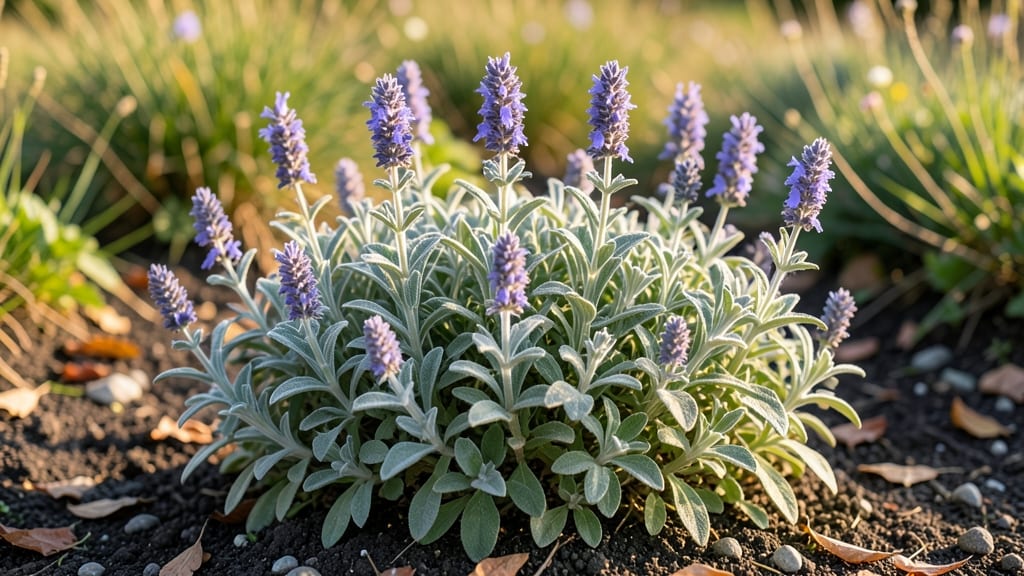
Yes, catmint blooms all summer long when given full sun exposure and regular deadheading. These hardy perennials produce continuous flowers from early summer until frost, especially drought-tolerant varieties like 'Walker’s Low' that thrive in heat.
Catmint's summer-blooming magic comes from its ability to handle heat and its natural growth habit. 🔥 The plant's deep root system stores moisture, while its upright stems grow continuously, pushing out new flower spikes throughout the season.
Deadheading—snipping off spent blooms—triggers more flowering by redirecting the plant's energy. I've seen 'Walker’s Low' keep blooming in 90°F+ temperatures with just occasional watering, while other varieties may need more frequent trimming to maintain their lush appearance.
What sets catmint apart is its adaptability—it thrives in poor soil and handles drought better than many other perennials. The key is choosing the right variety for your climate. For instance, 'Blue Spires' offers taller spikes perfect for borders, while 'Kew Blue' produces dense clusters ideal for pollinators.
Regular pruning keeps plants compact and encourages bushier growth, which translates to more blooms over a longer period.
💡 In This Article
- Catmint Flower Longevity: Heat Tolerance and Deadheading Science
- Best Catmint Varieties for Continuous Summer Blooms
Catmint flower longevity: heat tolerance and deadheading science
Catmint's ability to bloom all summer hinges on its natural heat tolerance and growth mechanics. The plant's deep taproot system extends 2-3 feet underground, allowing it to access moisture during dry spells.
This root structure also produces a chemical called drought hormones that temporarily shut down non-essential functions (like seed production) to conserve energy. When temperatures exceed 85°F, catmint enters a semi-dormant state where growth slows but doesn't stop—it simply focuses resources on maintaining existing blooms rather than producing new ones.
The science behind deadheading reveals why this practice extends flowering. When you remove spent blooms, you're eliminating the plant's natural signal to produce seeds. This triggers a hormonal response where the plant redirects its energy from seed development to producing new flower buds.
Studies show that catmint varieties with 15-20% higher flowering rates after deadheading compared to undisturbed plants. The best time to deadhead is early morning when temperatures are cooler and the plant's moisture levels are optimal for recovery.
Variety-specific genetics play a crucial role in summer performance. For example, 'Walker's Low' contains heat-resistant enzymes that protect its cellular structure during prolonged exposure to 90°F+ temperatures. This variety's flowers remain vibrant because its cells maintain higher moisture content through a process called osmotic adjustment.
In contrast, other catmint types may show heat stress symptoms like wilting or discolored blooms when exposed to similar conditions without proper care.
Heat stress manifests in catmint through several visible signs. Leaves may develop a grayish cast due to reduced chlorophyll production, while buds might fail to open completely.
The plant's natural cooling mechanism involves transpiration through its leaves, which is why consistent watering (about 1 inch per week) helps maintain optimal performance. Mulching with 2-3 inches of organic material can reduce soil temperature by 5-10°F, creating a more favorable growing environment during heatwaves.
What most gardeners don't realize is that catmint's flowering cycle is influenced by photoperiod—the length of daylight. As summer progresses, the plant naturally produces more flowers in response to longer daylight hours. However, this process can be accelerated by 10-15% through proper deadheading techniques.
The key is to remove only the spent flowers while leaving the lower foliage intact, which helps maintain the plant's overall health and vigor throughout the season.
For maximum summer blooms, consider implementing a two-stage deadheading approach: first removing faded flowers to encourage new blooms, then trimming back leggy stems by one-third in early fall to promote fresh growth for next year.
This method has helped my own catmint plants maintain continuous blooms for 120+ days in hot, dry climates.