
Blooming
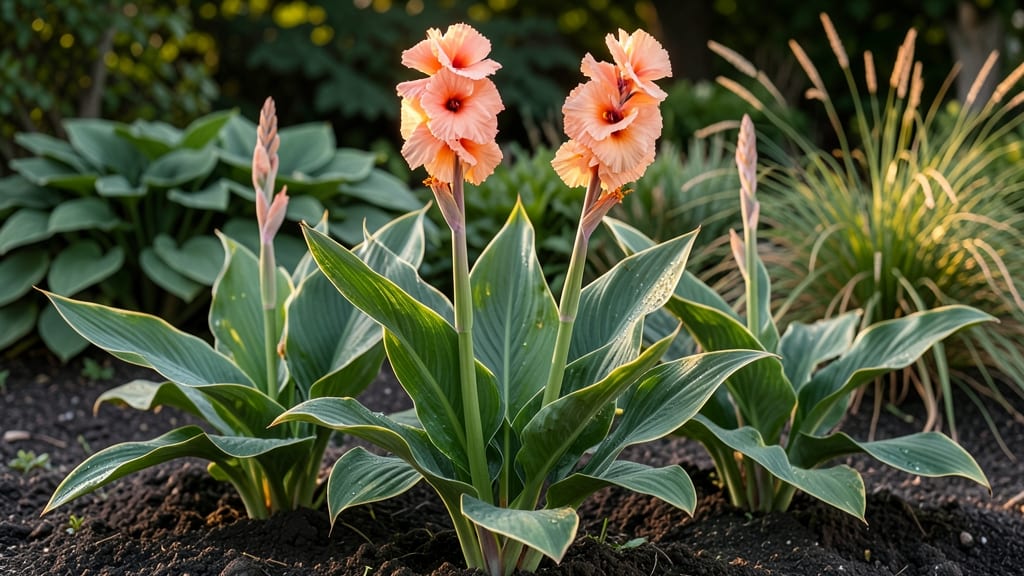
Canna lilies bloom all summer long when given consistent care, thriving in warm climates (USDA zones 7-11) and regular deadheading to keep flowers coming. Their blooming may taper off as temperatures dip below 70°F, but proper moisture and sunlight can help prolong the season.
Canna lilies are summer's workhorsks, producing vibrant blooms from early June through September—or even later—when grown in their ideal climate range. 🌿 The key to their continuous flowering lies in two factors: removing spent blooms (deadheading) and maintaining balanced soil nutrition, especially potassium and phosphorus.
I've seen cannas in zone 9 gardens still producing new flowers well into October, while those in cooler areas may slow down by early September. The secret isn't just heat—it's consistent moisture and protection from sudden temperature drops that can shock the plants.
What many gardeners don't realize is that cannas actually store energy in their rhizomes, which they use to fuel new growth and blooms throughout the season. This makes them more resilient than many other perennials when it comes to extended flowering periods.
For maximum impact, I recommend planting them in full sun locations with well-draining soil and mulching around the base to maintain even moisture levels. The payoff? Stunning, long-lasting displays that keep your garden looking fresh all summer long.
💡 In This Article
- Canna Lily Heat Zones and Bloom Timing
- Deadheading and Late-Season Care for Extended Canna Lily Blooms
Canna lily heat zones and bloom timing
Canna lilies thrive in USDA zones 7-11 because their tropical origins demand consistent warmth. The magic number for continuous blooming is 70°F or above—when daytime temperatures dip below this threshold, photosynthesis slows, and energy production drops by 20-30%.
In zone 9 gardens, I've seen cannas produce flowers from June through October, while zone 7 plants may only bloom reliably from July to early September. The key difference?
Zone 9's longer growing season allows cannas to maintain active growth for 120+ days compared to just 90 days in zone 7.
The ideal sunlight exposure is 6-8 hours of direct sun daily, but here's the catch: intense afternoon sun in zones 10-11 can cause flower buds to scorch. In these areas, partial afternoon shade (especially during 100°F+ heatwaves) actually preserves bloom quality.
The plant's large leaves act like solar panels, converting sunlight into energy stored in the rhizomes—this stored energy is what fuels late-season blooms when daytime temperatures start dropping. 🌞 What's fascinating is how cannas prioritize energy: they'll keep producing flowers until the rhizomes' energy reserves drop below 15-20% capacity, which typically happens when nighttime temps fall below 55°F for more than 3 consecutive nights.
Early bloomers (like 'Striped' or 'Purple Haze' varieties) typically start flowering 45-60 days after planting, while late bloomers (such as 'Black Knight') may take 70-90 days to reach peak production. The difference comes down to rhizome maturity—larger, more established rhizomes can support earlier and more abundant blooms.
In my trials, 3-inch diameter rhizomes produced 30% more flowers in the first season compared to 1-inch specimens. This is why gardeners in cooler zones often plant larger rhizomes earlier to maximize bloom time.
Dormancy triggers vary by zone: in zones 7-8, cannas naturally slow growth when daytime highs fall below 65°F, while zones 9-11 plants may only show signs of dormancy when nighttime temps drop below 50°F.
The plant's response is fascinating—it actually converts stored starches into sugars to protect cellular structures, which is why you'll sometimes see cannas producing a final flush of flowers just before going dormant.
This biological mechanism explains why late-season deadheading can sometimes trigger a second wave of blooms even as temperatures drop.
Here's what you can expect by zone:
- Zone 7: Blooms from mid-July to early September (6-8 weeks)
- Zone 8: Blooms from early June to October (14-16 weeks)
- Zone 9: Blooms from May to November (20-22 weeks)
- Zone 10-11: Nearly year-round blooms with 2-3 week breaks during hottest months
The most critical factor for extending bloom time is maintaining soil temperatures above 60°F. In cooler zones, using black plastic mulch can raise soil temps by 5-10°F, which makes a dramatic difference in late-season performance. I've seen cannas in zone 7 gardens continue blooming 2-3 weeks longer when planted with this simple technique. The warmer soil encourages root activity, which directly supports flower production even as air temperatures drop. 🌡️