
Blooming
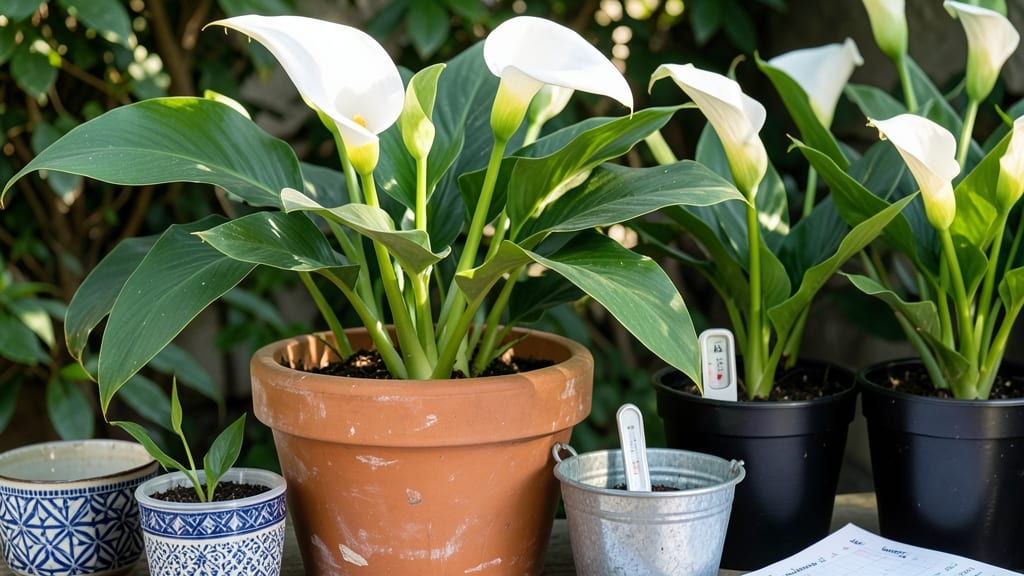
Calla lilies don't bloom all year—they flower seasonally, primarily from spring through summer in most regions, though tropical varieties may continue blooming into fall with consistent warmth and care. Their flowering patterns depend heavily on climate and growing conditions.
Calla lilies follow natural biological rhythms tied to daylight and temperature changes, which is why they don't produce flowers year-round. 🌸 In cooler climates, they often enter dormancy during winter months, conserving energy until spring's longer daylight triggers new blooms.
Even tropical varieties have peak bloom seasons, though they may extend longer in ideal conditions—think of them as seasonal performers rather than ever-blooming plants.
What many gardeners discover is that proper care can influence bloom timing and duration. For example, providing bright indirect light and maintaining consistent moisture helps sustain flowering, while overwatering or sudden temperature shifts can stress the plant and shorten its bloom cycle.
The key is understanding your specific variety's needs—some calla lilies are bred for extended displays, while others follow strict seasonal patterns.
💡 In This Article
- Calla Lily Blooming Seasons by Climate Zone
- Extending Calla Lily Blooms with Growing Tips
Calla lily blooming seasons by climate Zone
Calla lilies rely on a process called vernalization—a cold period that triggers flowering in response to longer daylight hours.
In temperate zones like USDA hardiness zones 8-10, this typically means blooms appear from late spring through summer, when daytime temperatures consistently stay above 65°F and nights remain above 55°F.
The plant detects these temperature shifts through specialized proteins that regulate growth hormones, essentially "counting" the days until it's safe to produce flowers.
Tropical varieties, like the popular Zantedeschia aethiopica, operate on a different schedule. These thrive in zones 10-12 where winter temperatures rarely drop below 50°F, allowing them to bloom more continuously—often from spring through early fall. The key difference?
Tropical callas don't need cold dormancy periods; instead, they respond to consistent warmth and 12+ hours of daylight. For example, in Miami's climate, you might see continuous blooms from March through November, while in Los Angeles, they'll peak from May to September.
The plant's internal clock also responds to photoperiodism—the measurement of daylight length. Most calla lilies need 10-14 hours of daylight to trigger flowering, which explains why northern climates see shorter bloom seasons.
In Alaska or Canada, callas might only bloom for 2-3 months during summer, while equatorial regions can maintain blooms for 6+ months annually. This is why gardeners in cooler zones often force blooms by providing supplemental grow lights during shorter winter days.
Dormancy plays a critical role in temperate climates. When temperatures drop below 50°F for extended periods, calla lilies enter a rest phase where they conserve energy by shedding leaves and slowing metabolic processes.
This dormancy can last 2-4 months, during which the plant's rhizomes store nutrients for next year's growth. Without this cold period—like in greenhouses or tropical climates—the plant may produce fewer blooms or none at all, as it lacks the hormonal signals to initiate flowering.
Even within these patterns, individual plants vary. Some hybrid varieties, like the Calla 'Black Star', have been bred to extend bloom seasons by 30-50% through genetic modifications that reduce dormancy requirements.
These hybrids might bloom from April through October in ideal conditions, demonstrating how selective breeding can push natural limits—but they still can't achieve true year-round blooming without artificial interventions.
What this means for gardeners is that location determines expectations. In Zone 9+, you can realistically expect 6-8 months of blooms with proper care, while in Zone 7 or colder, you'll likely see only 2-3 months of flowering.
Understanding these patterns helps set realistic goals for your garden and avoids disappointment when callas go dormant during winter.