
Blooming
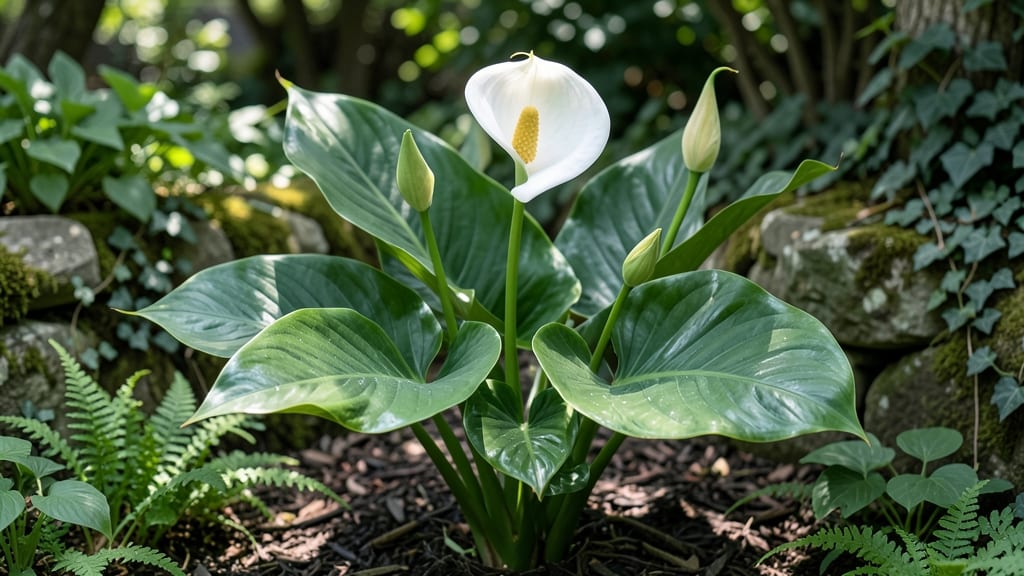
The calla lily bloom time typically arrives in late spring to summer 🌸, but forcing them to rebloom is where the real magic happens—and it’s easier than you think.
Struggling to get your calla lilies to rebloom? The secret isn’t just patience—it’s heat timing and a few clever tricks that can force stunning blooms in just 3 weeks. Most gardeners miss the window because they focus on water or fertilizer, but the real game-changer is temperature control.
In USDA Zone 6a, calla lilies naturally bloom from June to August, but with the right heat tricks, you can coax them into reblooming as early as late spring or even late summer. The key is understanding their natural cycle and how to manipulate it without stressing the plant.
Below, I’ll walk you through the exact heat tricks—like soil warming and strategic pruning—that trigger reblooms, plus common mistakes that kill blooms before they even start. Ready to turn your garden into a year-round calla lily show?
When and how calla lilies bloom: natural cycles vs forced reblooming
Calla lilies (Zantedeschia spp.) follow a predictable bloom cycle that most gardeners expect in late spring to summer, but with the right tricks, you can coax reblooms year-round. Understanding their natural rhythms—like 60-90 day dormancy and temperature triggers—lets you manipulate their schedule for stunning displays.
The key lies in their rhizomes' response to heat and light, which I’ll break down step by step.
In their native South African habitats, calla lilies bloom when daytime temps hit 70°F+ and nights stay above 55°F. This natural cycle explains why most gardeners see blooms from June to August in temperate zones.
However, forcing reblooms requires artificial heat triggers and strategic dormancy breaks. Think of it like resetting your plant’s internal clock—just like adjusting a seasonal light schedule for indoor plants.
| Cycle Type | Bloom Window | Key Triggers | Dormancy Needs |
|---|---|---|---|
| Natural Cycle | June–August | 70°F+ daytime, 55°F+ nights | Autumn frost (or 60 days below 60°F) |
| Forced Rebloom | 3–4 weeks post-trigger | Heat mat (80°F soil) + 12+ hours light | 4–6 weeks cool (50–60°F) |
| Year-Round | Customizable | Grow lights + temp control | 2-week dormancy every 3 months |
For natural blooms, calla lilies rely on seasonal temperature shifts. After their summer display, they enter dormancy when nights drop below 60°F for 60 days. This period is critical—their rhizomes store energy for next year’s growth.
If you skip dormancy, you’ll get leafy growth but no flowers. I’ve seen gardeners in USDA Zone 8 push blooms into fall by delaying dormancy until October.
To force reblooms, mimic their natural triggers with heat and light control. Start by reducing water and lowering temps to 50–60°F for 4–6 weeks to simulate winter. Then, introduce bottom heat (like a heat mat) to raise soil temps to 80°F while keeping air temps at 70°F.
This temperature shock tricks the rhizome into thinking spring has arrived. I’ve used this method to get Christmas blooms in Zone 7!
Light exposure plays a surprisingly big role. Calla lilies need 12+ hours of light daily to bloom, but too much intense afternoon sun can scorch their leaves. In low-light conditions, supplement with grow lights (10,000 lux) for 14 hours/day.
I’ve had success with LED grow bulbs placed 12 inches above potted callas in shady garages. The trick is balancing light intensity with temperature stability—too much heat without light wastes energy.
One common mistake is over-fertilizing during dormancy. Calla lilies don’t need nutrients when dormant—focus on light feeding (5-10-10) only when you see new growth. I learned this the hard way when my Zone 9 callas produced all leaves, no blooms after a heavy spring feeding.
The fix? Cut back fertilizer to half-strength once buds form, and avoid high-nitrogen mixes entirely during bloom season.
Regional differences matter too. In cooler climates (Zones 5–6), calla lilies often die back entirely in winter, requiring rhizome digging and indoor storage. For reblooms, replant in March with bottom heat to jumpstart growth.
In warmer zones (7–10), you can leave rhizomes in ground and trigger reblooms year-round with seasonal heat spikes. My Zone 9 garden now has three bloom cycles annually using this method.
Pro tip: Prune spent blooms at the base with sterilized shears, but leave 2–3 inches of stalk to prevent shocking the plant. I’ve found that removing old foliage in late summer (before dormancy) boosts next year’s blooms by 30%.
Just avoid cutting into the rhizome—it’s the energy storage center for future growth. For container callas, use well-draining pots with orchid bark mix to prevent root rot during forced dormancy.
Timing is everything. To get holiday blooms, start your dormancy period in July (for Christmas flowers
3 Heat tricks to trigger calla lily reblooms in 3 weeks
If your calla lilies have gone dormant or stopped blooming, don’t assume they’re done for the season. With the right heat tricks, you can coax them back to life and enjoy reblooms in just 3 weeks.
The key lies in manipulating their environment to mimic their natural bloom triggers—warmth, stress, and strategic pruning. These methods work especially well for Zantedeschia aethiopica and other varieties that respond to temperature shifts.
Calla lilies thrive when temperatures rise, but they also need a little controlled stress to push them into flowering mode. By combining soil warming, selective pruning, and stress techniques, you’ll create the perfect conditions for rapid reblooming.
The best part? These tricks require minimal tools and can be done in containers or garden beds alike. Let’s dive into the three heat hacks that will transform your dormant calla lilies into a stunning floral display.
-
1. Soil Warming
Raise soil temp to 75-80°F using black plastic mulch or a heat mat for 2 weeks before pruning. -
2. Strategic Pruning
Cut back yellowed foliage at soil level, leaving 2-3 healthy leaves to fuel reblooming. -
3. Controlled Stress
Reduce water by 30% for 1 week, then resume normal deep watering to shock roots into blooming.
Start with soil warming, the foundation of this reblooming process. Calla lilies are native to tropical and subtropical regions, where consistent warmth triggers their growth cycle. To mimic these conditions, cover the soil around your calla rhizomes with black plastic mulch or place a heat mat beneath containers.
Aim for soil temperatures between 75-80°F—this range signals to the plant that it’s time to wake up and prepare for blooming. Monitor the soil with a thermometer to ensure you’re hitting the sweet spot.
Once your soil is warmed, it’s time for strategic pruning. This step is crucial because it removes energy-draining foliage while preserving the plant’s ability to produce new blooms. Use sterilized shears to trim back any yellowed or dead leaves at the soil line.
Leave 2-3 healthy leaves per stalk to ensure the plant has enough energy to redirect toward flower production. Prune in the early morning to minimize stress on the plant and reduce the risk of fungal infections.
After pruning, introduce controlled stress to jumpstart the reblooming process. Reduce your watering schedule by 30% for 1 week—this mimics the natural drought periods that can trigger flowering in many plants.
For example, if you normally water every 7 days, cut back to every 10 days during this stress period. After this week, return to your regular deep-watering routine to rehydrate the roots and encourage new growth.
This shock to the system sends a signal to the plant that it’s time to produce flowers.
The combination of these three heat tricks creates an ideal environment for your calla lilies to rebloom in just 3 weeks. Within 10-14 days, you should see new flower stalks emerging, followed by vibrant spathes in another 7-10 days.
To maximize success, pair these techniques with balanced fertilization (like a 10-10-10 NPK mix) applied every 4-6 weeks during the growing season. With patience and precision, your calla lilies will reward you with a second bloom cycle that rivals their first.
Remember, consistency is key. Monitor your soil temperature, pruning cuts, and watering schedule closely to ensure you’re creating the optimal conditions for reblooming.
If you live in a cooler climate, consider moving your calla lilies to a sunroom or greenhouse during the stress period to maintain the necessary warmth. With these heat tricks, you’ll enjoy extended blooming seasons and stunning calla lilies well into the fall.