
Blooming
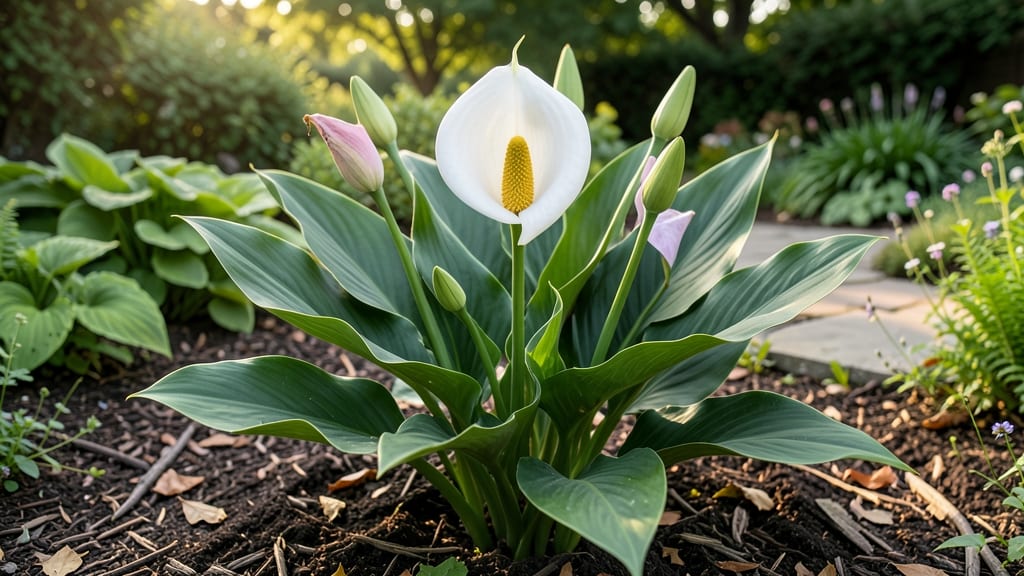
Calla lilies don't bloom continuously all summer, but they can produce multiple blooms in one season when exposed to consistent warmth, bright light, and proper care.
Calla lilies typically show their first flush of blooms in spring or early summer, but their ability to rebloom depends on environmental triggers. 🔥 The key is maintaining temperatures above 75°F and ensuring they receive at least 6-8 hours of sunlight daily.
Some varieties, like the ever-blooming types, respond better to these conditions than seasonal ones, making them ideal for extended summer color. The secret lies in their natural dormancy cycles—when they sense consistent warmth after their initial bloom, they'll often trigger a second round of flowers.
To maximize reblooming potential, focus on three critical factors: watering (keep soil evenly moist but not soggy), nutrient balance (use a slow-release fertilizer high in phosphorus), and stress management (avoid overcrowding). Pruning spent blooms encourages new growth, while mulching helps regulate soil temperature.
With these adjustments, you can coax calla lilies to deliver 3-4 bloom cycles in a single season—though timing varies by climate and variety.
What's fascinating is how these plants use heat as a signal. When daytime temperatures stay consistently warm, it breaks their dormancy cycle, prompting the production of ethylene gas—a natural plant hormone that triggers flowering.
This is why calla lilies often perform best in USDA Zones 8-11, where summer heat is prolonged. For cooler regions, container growing with winter protection can help extend their blooming window significantly.
💡 In This Article
- How Heat and Sunlight Trigger Calla Lily Reblooming
- Tips to Extend Calla Lily Blooms Through Summer
How heat and sunlight trigger calla lily reblooming
Calla lilies rely on a precise botanical mechanism to rebloom, where temperature acts as the primary trigger. When daytime temperatures consistently reach 75°F or higher for at least 2-3 weeks, it signals the plant's metabolic system to break dormancy.
This warmth activates enzymes that convert stored starches into sugars, fueling new flower buds. The process is similar to how day-neutral tomatoes respond to heat—once the plant senses sustained warmth after its initial bloom, it shifts from vegetative growth to reproductive mode. 🌡️
Daylight hours play an equally critical role, particularly in regions with shorter summer days. Calla lilies need 6-8 hours of direct sunlight daily to maintain photosynthesis levels that support flowering.
In cooler climates, supplemental grow lights can extend daylight to 12-14 hours, mimicking tropical conditions where these plants naturally thrive. The combination of heat and light triggers ethylene production—a plant hormone that directly stimulates flower formation.
Without adequate light, even warm temperatures won't prompt reblooming, as the plant lacks the energy reserves to produce new blooms.
What most gardeners overlook is the plant's internal clock. Calla lilies follow a 30-45 day dormancy cycle between blooms, during which they store energy in their rhizomes. When exposed to consistent warmth, this cycle resets, allowing for multiple flowering phases.
For example, in Florida's climate (Zone 9), calla lilies often produce 4-5 bloom cycles per season, while in Zone 7, they may only achieve 2 cycles without winter protection. The key difference lies in how long temperatures remain above 70°F—prolonged warmth extends the reblooming window significantly.
The role of ethylene becomes particularly interesting during stress periods. When calla lilies experience mild heat stress (temperatures between 85-95°F), they produce more ethylene, which acts as a flowering signal. This explains why some gardeners report better reblooming in containers—pot-bound roots experience gentle stress that boosts ethylene levels.
However, extreme heat (100°F+) can damage the plant's cellular structure, reducing reblooming potential. The sweet spot is maintaining temperatures between 75-85°F with proper hydration to balance growth and flowering signals.
Light quality matters too. Calla lilies prefer full-spectrum sunlight, which provides the blue and red wavelengths essential for photosynthesis and flowering. In shaded conditions, they'll produce more foliage but fewer blooms.
This is why gardeners in northern climates often report better results with reflective mulches (like white gravel) that bounce extra light onto the plants. The mulch also helps regulate soil temperature, creating a more stable environment for reblooming.
For container growers, placing pots on heat-absorbing surfaces (like dark-colored gravel) can raise soil temperatures by 5-10°F, further encouraging flower production.
Understanding this mechanism helps explain why some calla lily varieties rebloom more reliably than others. Ever-blooming types like 'Black Star' or 'Pink Fantasy' have been selectively bred to produce ethylene more efficiently, making them ideal for extended summer displays.
In contrast, seasonal varieties may only rebloom once without careful management of these environmental triggers. The takeaway? Consistent warmth and light aren't just nice conditions—they're biological signals that directly control your calla lilies' flowering schedule. 🌸