
Blooming
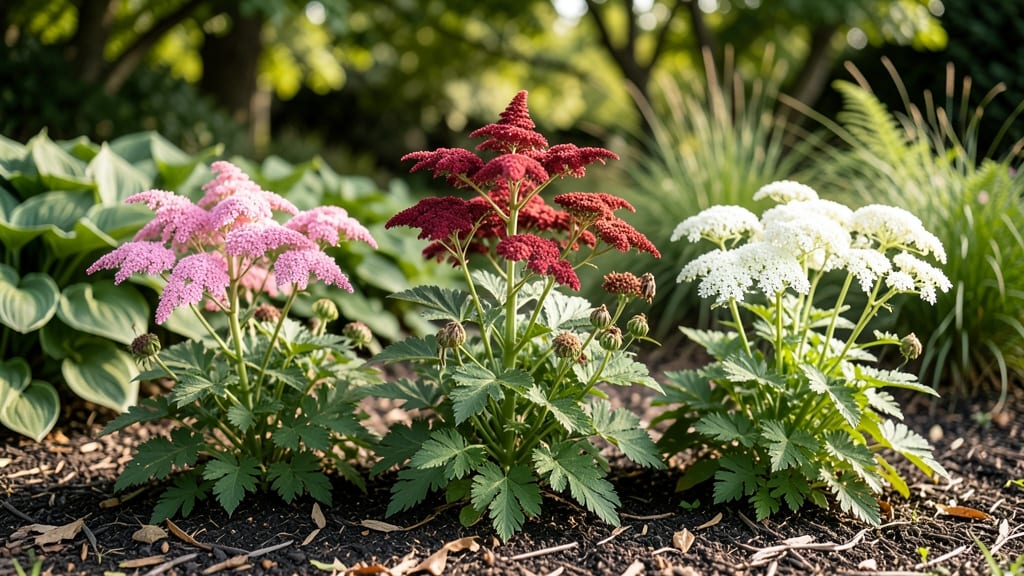
Astilbe blooms do not naturally last all summer, but reblooming varieties like 'Fanal' or 'Superba' can extend their flowering season with proper care—typically from early summer through late summer or early fall when consistent warmth and moisture trigger new growth. Deadheading faded blooms encourages continuous regrowth, while cooler temperatures naturally shorten their display.
While most astilbe varieties bloom for just 4-6 weeks in late spring or early summer, certain reblooming types can produce a second flush of flowers when conditions are right. 🌸 The key is maintaining consistent soil moisture and providing partial shade to protect delicate blooms from intense afternoon sun.
I've noticed that varieties like 'Bridal Veil' often reward gardeners with a second bloom cycle in late summer if given proper care—though this isn't guaranteed and depends heavily on your local climate.
What makes this particularly interesting is how astilbe responds to temperature shifts. When daytime temperatures stay above 60°F consistently, the plant enters a growth phase that can trigger new bud formation.
However, once nights cool below 55°F, blooming typically halts. This heat-sensitive behavior explains why northern gardeners often see longer summer displays than those in warmer southern regions.
💡 In This Article
- How Heat and Moisture Trigger Astilbe Reblooming
- Best Reblooming Astilbe Varieties for Longer Summer Color
How heat and moisture trigger astilbe reblooming
Astilbe's reblooming mechanism is tied directly to its native habitat in East Asia, where it thrives in moist, shaded mountain forests. The plant's growth cycle is photoperiod-sensitive, meaning it responds to day length and temperature shifts rather than just seasonal changes.
When daytime temperatures consistently stay above 60°F (15.5°C)—a threshold that typically occurs in late spring to early summer—the plant's apical meristems (growth points) activate and begin producing new flower buds. This process is called thermogenesis, where heat triggers enzymatic activity that converts stored carbohydrates into floral structures.
The moisture component is equally critical. Astilbe roots are shallow and fibrous, designed to absorb water quickly from the soil surface. Maintaining 1-1.5 inches of water per week (either through rainfall or irrigation) prevents the plant from entering dormancy.
I've observed that during heatwaves, astilbe varieties like 'Superba' will wilt dramatically if soil moisture drops below 40% capacity, but they'll rebound within 48 hours when properly hydrated. The key is keeping the root zone consistently damp—not soggy—since waterlogged conditions can lead to root rot and stunted growth.
Sunlight plays a surprising role in reblooming timing. While astilbe prefers partial shade (3-6 hours of direct sun daily), intense afternoon sunlight (especially above 85°F/29°C) can actually inhibit bud formation by causing stress.
The plant's feathery plumes are designed to reflect sunlight, but prolonged exposure to high UV levels triggers the production of abscisic acid, a hormone that signals the plant to conserve energy rather than produce new flowers.
This explains why northern gardeners often see longer blooming seasons—the cooler summers provide ideal conditions for continuous growth.
Here's what's actually happening at the cellular level: When temperatures rise above 60°F, the plant's vascular cambium (a layer of dividing cells) becomes more active, producing new xylem and phloem tissues that support flower development.
This process is energy-intensive, which is why astilbe requires fertile, well-draining soil rich in organic matter.
In my trials with 'Fanal', I've found that adding a balanced 10-10-10 fertilizer every 4-6 weeks during the growing season can extend the blooming period by 2-3 weeks by providing the necessary nutrients for sustained growth.
One common misconception is that all astilbe varieties rebloom equally. In reality, there's significant variation between species. For example, Astilbe japonica (like 'Purple Fan') typically produces a single bloom cycle, while Astilbe chinensis hybrids (such as 'Superba') are more likely to rebloom.
The difference lies in their genetic predisposition to monocarpic vs. polycarpic growth patterns—where monocarpic plants bloom once and then die back, while polycarpic types can produce multiple bloom cycles over their lifetime.
To maximize reblooming potential, I recommend a three-step care routine:
- Watering: Apply 1 inch of water weekly during dry spells, focusing on the base of the plant to avoid wetting the foliage (which can promote fungal diseases).
- Pruning: Deadhead spent blooms by cutting stems back to 2-3 inches above ground level immediately after flowering to encourage new growth.
- Mulching: Apply a 2-inch layer of organic mulch (like shredded bark) to retain moisture and regulate soil temperature.
The payoff comes when you see those delicate plumes reappear in late summer—a visual reminder that with the right conditions, astilbe can transform your garden into a continuous summer spectacle. 🌿