
Blooming
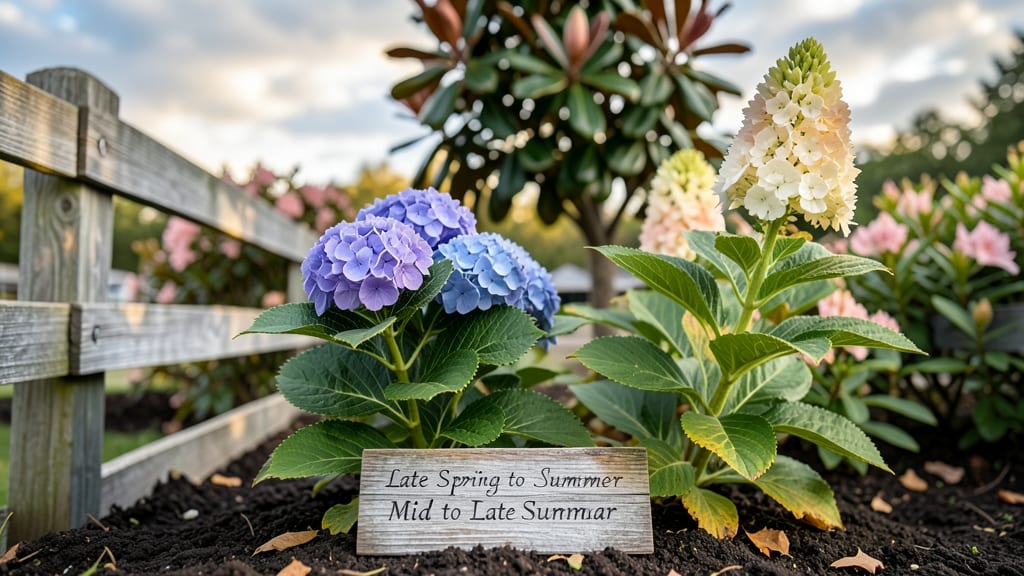
Hydrangeas bloom in Georgia when daytime temperatures consistently hit 70°F—typically mid-May for bigleaf varieties and late June for rebloomers like 'Endless Summer' 🌸.
Georgia’s humid summers and mild winters create the perfect conditions for hydrangeas—but timing their bloom cycles requires knowing exactly when heat triggers those iconic flower clusters.
In 7b-8b zones, bigleaf hydrangeas often burst into color by late spring, while panicle types wait for summer’s peak warmth. Miss the window, and you’ll miss the show.
Below, I’ll break down the exact bloom windows for your region, how to adjust care for heat waves, and the one pruning trick that keeps blooms coming all season long.
Georgia hydrangea bloom seasons: old vs new varieties explained
Georgia’s humid subtropical climate is a dream for hydrangeas, but not all varieties bloom at the same time. The key difference lies between once-blooming (spring) and reblooming (summer/fall) types.
In Georgia’s USDA zones 7b-8b, heat and humidity trigger blooms—once you know the timing, you can plan your garden’s floral highlights all season long.
Traditional bigleaf hydrangeas (like 'Annabelle' or 'Nikko Blue') put on their spring show between April and June, fading by summer’s peak. Meanwhile, newer reblooming hybrids (such as 'Endless Summer' or 'Limelight') deliver two bloom cycles: spring and again in late summer to fall.
The catch? Georgia’s 90°F+ heat waves can stress blooms, so timing matters.
Heat thresholds are critical: most hydrangeas need temps to drop below 85°F to set buds for a second flush. In Atlanta’s hotter inland areas, blooms may arrive earlier (June-July), while cooler coastal regions (Savannah) might see fall blooms linger into October or November. Humidity also plays a role—too much can cause bud rot or powdery mildew.
Climate triggers to watch:
- Spring bloomers: Buds form on old wood (last year’s growth) and open when temps rise after last frost (mid-March).
- Rebloomers: Need new wood growth (current season) triggered by spring pruning and consistent moisture.
| Type | Bloom Window (Georgia) | Heat Sensitivity | Pruning Time | Color Retention Tip |
|---|---|---|---|---|
| Old Varieties (Bigleaf) | April–June | High (fades in heat) | Late winter (after blooms) | Mulch to retain moisture |
| New Varieties (Reblooming) | June–October | Moderate (needs shade) | Late winter/early spring | Adjust soil pH for color |
| Panicle Hydrangeas | July–September | Low (heat-tolerant) | Late winter (cut to base) | Deadhead spent blooms |
If you’re planting new reblooming hydrangeas, aim for late winter pruning (February) to encourage fresh growth. For old varieties, prune right after blooming (July) to avoid cutting off next year’s buds.
Georgia’s spring rains help kickstart growth, but drought stress in summer can cut blooms short—so deep watering weekly is non-negotiable.
Pro tip: Monitor your local heat index. When temps dip below 80°F at night in late summer, that’s your cue for second blooms on rebloomers.
In North Georgia’s cooler zones (7b), expect fall blooms to last into November, while South Georgia’s heat (8b) may shorten the show to September. Adjust expectations based on your microclimate!
For bigleaf hydrangeas, soil pH dictates color: acidic soil (pH 5.5) turns blooms blue, while alkaline soil (pH 6.5+) produces pink. Test your soil in early spring and amend with sulfur or lime as needed.
Rebloomers like 'Limelight' stay green-tinged regardless of pH, but consistent feeding keeps their chartreuse blooms vibrant.
Don’t overlook panicle hydrangeas (like 'Little Lime' or 'Grandiflora')—these heat-loving varieties thrive in Georgia’s summer sun and bloom later than others. Their cone-shaped flowers also last longer when deadheaded regularly. For maximum impact, plant them near patio areas where you’ll enjoy their July-September show.
Remember: Georgia’s humidity can lead to powdery mildew on hydrangeas. To prevent it, space plants 3-4 feet apart for airflow and water at the base (not overhead). A 3-inch layer of mulch also helps retain moisture and regulate soil temps—critical for bloom longevity during Georgia’s sweltering afternoons.
Plan your hydrangea garden like a seasonal highlight reel: start with spring bloomers for early color, add rebloomers for summer/fall interest, and include panicle types for late-season drama.
With the right variety mix, your garden will stay in bloom from April through October—no gaps in the floral show! 🌸
How to extend hydrangea blooms in Georgia’s heat: pruning & care tips
Georgia’s humid summers and 80°F+ temperatures can either boost or burn your hydrangeas—depending on how you care for them. The key to longer blooms lies in pruning timing, watering discipline, and heat protection.
Unlike cooler climates, Georgia’s high humidity and quick-drying soil demand extra attention to keep those flower clusters vibrant through summer and into fall.
Most hydrangeas in Georgia bloom in late spring (May-June) on old wood, but reblooming varieties (like 'Endless Summer') produce second flushes in late summer if pruned correctly.
The mistake I see most often? Pruning at the wrong time—cutting back too late in spring removes next year’s buds, or waiting until summer stresses the plant. Let’s fix that.
- 1 Prune old-wood hydrangeas (like 'Annabelle') in late winter/early spring (Feb-Mar) before buds swell. This encourages one big spring bloom—no reblooming.
- 2 Rebloomers (like 'Nikko Blue') need summer pruning—cut back dead flowers in June to trigger late summer/fall blooms.
- 3 Water deeply 2-3x/week in Georgia’s heat—1-2 gallons per plant at soil level (not leaves) to prevent bud drop.
- 4 Mulch with 3 inches of pine straw in April to lock in moisture and cool roots during Georgia’s 90°F+ spikes.
- 5 Fertilize with acid-loving plant food in May and August—Georgia’s sandy loam soil often lacks organic matter.
Here’s the Georgia-specific twist: our clay-heavy soils in northern regions (like Athens) drain slower than the sandy soils in coastal areas (Savannah). Adjust watering—northern hydrangeas may need less frequent but deeper watering, while coastal plants might require daily checks during heatwaves.
Always test by sticking your finger 2 inches into soil—if it’s dry, water.
Don’t overlook heat stress signs: wilting leaves, dropping buds, or yellowing foliage mean your hydrangea is fighting the heat. Move potted varieties to morning sun + afternoon shade, and shade cloth (30-50%) works wonders for in-ground plants during July-August.
I’ve seen hydrangeas in Jonesboro (Zone 7b) bloom 2 weeks longer just by adding shade cloth midday.
Pro tip: Deadhead spent blooms in early summer (June) to redirect energy to new growth. For panicle hydrangeas (like 'Limelight'), this encourages taller, sturdier stems that handle Georgia’s humid winds better.
Pair this with monthly feeding (balanced 10-10-10 fertilizer), and you’ll extend blooms into October—just in time for fall garden photos.
Remember, Georgia’s reblooming hydrangeas (like 'Endless Summer') can produce two flower cycles if you prune correctly and protect from heat. Start now—your June-July blooms will thank you with a second show in September when others are fading. 🌸☀️✂️