
Flowers
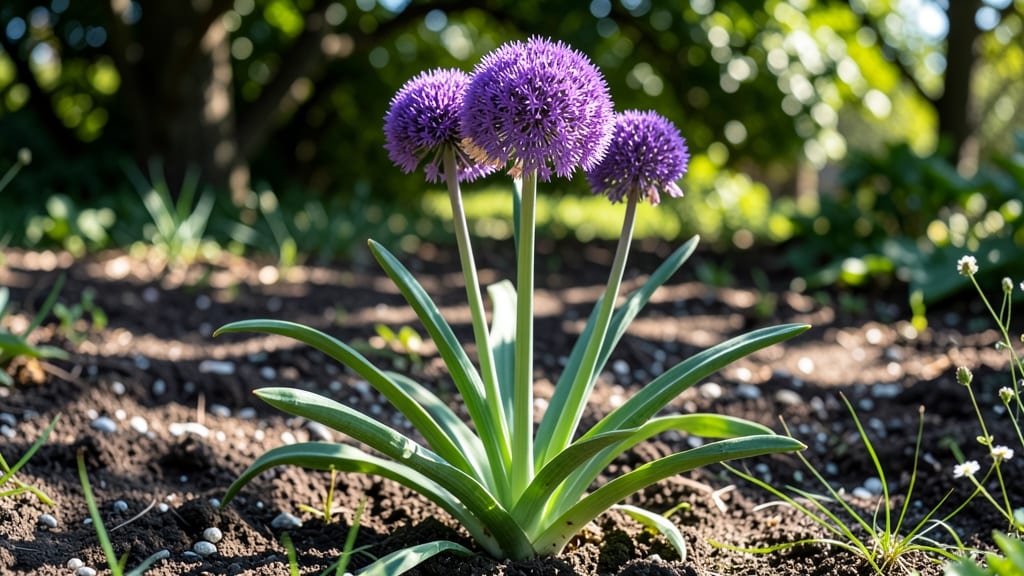
The allium flower bloom time between April and June in most of the U.S. transforms your garden into a sea of purple spikes 🌸 when timed just right.
If you've ever planted alliums hoping for those dramatic purple globes only to be disappointed by late—or no—blooms, timing is the missing piece. Understanding your USDA zone’s bloom window ensures your alliums burst into flower when you expect, not when Mother Nature has other plans.
In Zone 6a, where spring arrives early but unpredictable, the right planting window—March to April—sets the stage for blooms that arrive by late April or May.
But shift a few zones north or south, and those same alliums might wait until June or bloom as early as March, depending on the variety and your local climate.
Below, I’ll break down the exact bloom times for popular allium varieties like Allium giganteum and Allium sphaerocephalon, plus three key adjustments you can make to shift bloom timing—whether you’re aiming for a wedding bouquet or just a showstopping spring display.
Allium bloom time by USDA planting Zone: when to expect purple spikes
Alliums are famous for their spherical purple blooms that add drama to gardens, but their bloom timing varies drastically depending on your USDA planting zone.
Whether you’re in the cold northern Zone 3 or the mild Zone 10, knowing when to expect those showstopping spikes helps you plan for peak garden displays. Let’s break down the average bloom windows for alliums by zone, including frost considerations and variety-specific timing.
In colder zones like 3-5, alliums often bloom late spring to early summer (May-July) after the last frost, while warmer zones (7-10) may see blooms as early as March-April or even fall-winter for certain varieties.
Early bloomers like Allium giganteum (giant allium) thrive in Zones 4-8 and often flower in May-June, while Allium sphaerocephalon (drumstick allium) blooms slightly later in June-July across most zones.
| USDA Zone | Average Bloom Window | Early Varieties | Late Varieties | Frost Notes |
|---|---|---|---|---|
| 3-4 | Late May - Early July | Allium 'Globemaster' (May) | Allium 'Purple Sensation' (June-July) | Plant bulbs in fall; protect from late frosts. |
| 5-6 | Early May - Late June | Allium 'Haarlem Pearl' (May) | Allium 'Schubertii' (June) | Blooms after last frost; mulch for extended display. |
| 7-8 | March - Early June | Allium 'Purple Rain' (March) | Allium 'Mount Everest' (May-June) | Minimal frost risk; fall planting for winter blooms. |
| 9-10 | January - April | Allium 'Millennium' (Jan-Feb) | Allium 'Gladiator' (March-April) | Plant in fall or winter; no frost concerns. |
If you’re in Zones 3-4, focus on hardy varieties like Allium 'Purple Sensation', which thrives in cooler climates and blooms reliably in June-July. These zones often experience late spring frosts, so plant bulbs in fall (September-October) to give roots time to establish before winter.
In Zone 5, you’ll see a mix of early and late bloomers, with Allium 'Globemaster' often flowering as early as late April if planted in well-draining soil.
For Zones 6-8, the bloom season stretches from March to June, giving you flexibility to choose varieties for early spring color or late-season interest. In Zone 7, Allium 'Purple Rain' is a standout, blooming as early as March and lasting through April.
Meanwhile, Zone 8 gardeners can enjoy winter blooms with Allium 'Millennium', which flowers from January to March when planted in fall.
In warmer Zones 9-10, alliums often bloom earlier and longer, with some varieties like Allium 'Gladiator' flowering from March to April. These zones also allow for fall planting to extend blooms into winter.
For example, planting Allium 'Mount Everest' in October can yield January-February blooms, perfect for holiday gardens.
To maximize your alliums’ bloom time, pay attention to last frost dates in your zone. In Zones 3-5, wait until after the last frost (typically mid-May) before expecting blooms, while Zones 6-8 can see flowers as early
How to adjust planting for earlier or later Allium blooms
Want your allium flowers to bloom exactly when you need them? Whether it's for a wedding bouquet, photography shoot, or simply to enjoy earlier spring color, strategic planting is key.
Alliums are flexible, but timing your bulb planting or seed sowing can shift their bloom windows by weeks—or even months.
For earlier blooms, focus on fall planting of hardy varieties like Allium giganteum, which thrive in cooler temperatures. In warmer zones, opt for late-winter planting to coax blooms ahead of schedule. Conversely, succession planting or choosing late-season varieties like Allium sphaerocephalon can push blooms into summer or fall.
🌱 Adjusting Allium Bloom Times: Key Strategies
- Fall Planting for winter/spring blooms (Zones 3-7): Plant bulbs 6-8 weeks before frost for earlier spring blooms. Example: Allium 'Purple Sensation' planted in October blooms by April.
- Succession Planting in stages: Sow allium seeds every 3-4 weeks in spring for staggered blooms. Ideal for cut flower gardens needing continuous harvests.
- Variety Selection: Choose early bloomers like Allium 'Globemaster' (April-May) or late bloomers like Allium 'Millenium' (June-July) to match your timeline.
- Heat Treatment for seeds: Soak allium seeds in warm water (70°F) for 24 hours before planting to speed up germination by 10-15 days.
- Light Manipulation: Use grow lights (12+ hours/day) indoors to force early blooms in container-grown alliums. Perfect for holiday centerpieces.
- Fertilizer Timing: Apply high-phosphorus fertilizer (5-10-10) in early spring to boost flower production and advance bloom time by 1-2 weeks.
Pro tip: Allium 'Drumstick' is a late-season star, blooming from July to frost in cooler climates. Pair it with early bloomers like Allium 'Purple Rainbow' (March-April) for a season-long display.
For winter interest, plant Allium 'Schubert' in fall—it blooms in late winter when few other flowers are available.
Need last-minute adjustments? Try container gardening with potted alliums. Move containers to warmer microclimates (like near south-facing walls) to trigger earlier blooms. Just ensure they get 6+ hours of sun daily to avoid delays.
Remember, soil temperature matters too. Allium bulbs need soil temps above 40°F to sprout. Use a soil thermometer to time your planting—plant when soil hits 50°F for optimal growth and predictable blooms. 🌿
For photography shoots, combine early and late varieties in the same bed. For example, plant Allium 'Haarlem Pearl' (April) alongside Allium 'Love Lies Bleeding' (July-August) to ensure continuous color through summer. With these strategies, you’ll control the clock and enjoy allium blooms on your schedule. ✂️