
Blooming
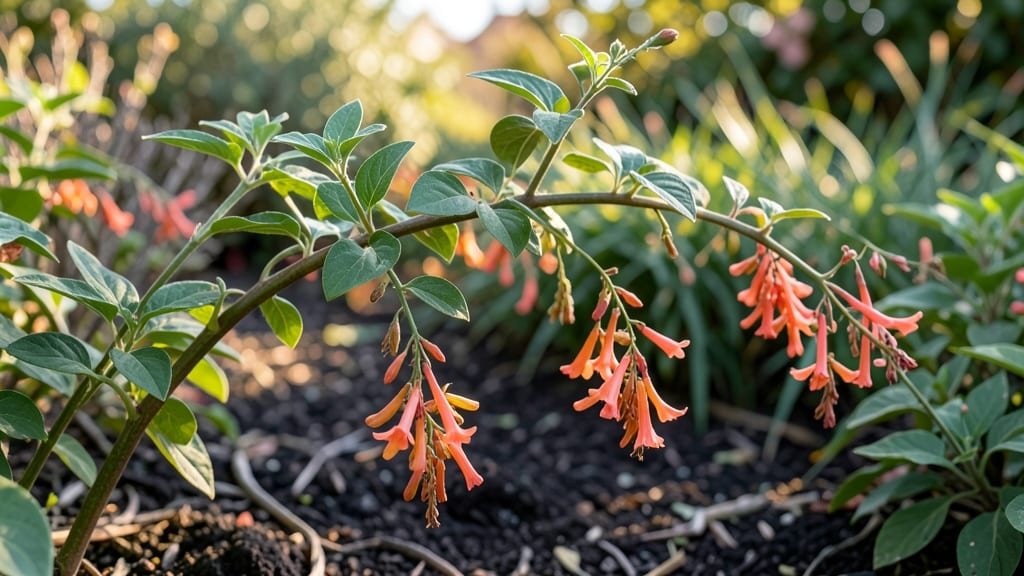
The vibrant coral honeysuckle blooms in late spring to summer 🌸, turning your garden into a hummingbird magnet—but the exact timing depends on where you live.
If you're dreaming of a garden bursting with fiery red-orange blooms, coral honeysuckle (Lonicera sempervirens) is the star you need—but timing is everything. Knowing exactly when these tubular flowers will appear lets you plan for peak color, hummingbird visits, and years of effortless climbing beauty.
In USDA Zone 6a, like much of the Midwest, expect blooms to kick off in June and last through September, while warmer zones like Florida or Texas may see flowers as early as April.
The key to longer blooms? Full sun, balanced fertilizer, and a little strategic pruning.
Below, I’ll break down the bloom schedule by zone, share my top tips to extend the season, and reveal what to do if your vine throws fewer flowers than expected. Let’s make sure your coral honeysuckle puts on its best show!
Coral honeysuckle bloom time by US hardiness zones: month-by-month guide
Coral honeysuckle (Lonicera sempervirens) is a deciduous vine that thrives in USDA Zones 4-10, but its bloom timing varies dramatically depending on your location. Unlike many spring bloomers, this plant often reblooms in summer, creating a prolonged display that hummingbirds adore.
Understanding your specific zone helps you plan for peak color and enjoy continuous floral interest from early spring through late summer.
In cooler zones (4-6), coral honeysuckle typically blooms in late spring (May-June) with a second flush in summer, while warmer zones (7-10) may see earlier spring blooms (March-April) and extended summer flowering.
Microclimates—like urban heat islands or coastal breezes—can shift bloom windows by 2-4 weeks, so observe local patterns in your garden.
Below is a zone-by-zone breakdown of coral honeysuckle’s primary and secondary bloom periods, along with regional variations and microclimate tips to fine-tune your expectations. Use this guide to sync your garden plans with nature’s schedule and maximize hummingbird visits during peak bloom.
🌱 Pro Tip: Coral honeysuckle is self-cleaning—spent blooms drop naturally, but deadheading can encourage longer summer blooms in zones with hot summers (8-10).
In Zone 4-5, where winters are harsh, coral honeysuckle often waits until late May to bloom, as it needs consistent soil temperatures above 50°F. Plant near south-facing walls or fences to create a warmer microclimate and trigger earlier blooms.
The secondary summer flush in July-August is your reward for patience—just ensure consistent watering during dry spells to sustain those hummingbird-attracting flowers.
Zones 6-7 offer the best balance for coral honeysuckle, with two distinct bloom periods: a spring burst in May-June followed by a summer spectacle in June-September. In the Southeast (Zone 7), expect earlier blooms (April-May), while the Midwest (Zone 6) may see delayed spring blooms due to cooler soils. Prune lightly after the first bloom to encourage longer summer flowering—this vine is generous with reblooms when given the right care.
Warmer climates (Zones 8-10) bring earlier but shorter bloom windows. In Zone 8, you’ll see March-April blooms, but summer heat can reduce the second flush.
To combat this, provide afternoon shade during peak heat (July-August) and mulch heavily to retain moisture. Zone 10 gardeners enjoy February-March blooms, but minimal summer reblooms—focus on spring color and pair with heat-loving vines like crossvine for extended interest.
🌡️ Temperature Matters: Coral honeysuckle needs consistent warmth to bloom. In Zone 6, a late frost can delay blooms by 2-3 weeks, while Zone 8’s early heat may trigger premature bud drop. Monitor your local frost dates and plant in sheltered spots to protect early flowers.
For coastal gardeners, salt spray and wetter soils can delay blooms by 1-2 weeks. If you’re near the ocean (Zones 7-9), choose a slightly elevated planting site with good drainage to prevent root rot, which stresses the vine and reduces flowering.
In desert climates (Zone 9-10), drip irrigation is key—overwatering causes bloom failure, while underwatering leads to stunted growth.
💧 Watering Tip: During bud formation (late winter-early spring), deep watering once a week ensures vibrant blooms. Once flowers appear, reduce frequency to every 10-14 days unless your area experiences prolong
How to extend coral honeysuckle bloom time: pruning, sunlight & care tips
Coral honeysuckle (Lonicera sempervirens) naturally produces stunning coral-red blooms from late spring through summer, but with the right care, you can stretch that show into early fall. The key? Understanding its growth habits and how to encourage repeat flowering.
Unlike some vines that bloom just once, coral honeysuckle can produce new flowers on old wood—meaning strategic pruning and sunlight management make all the difference.
I’ve found that 6+ hours of sunlight daily triggers continuous blooming, while well-draining soil prevents stress that halts flower production. Even in USDA Zones 4-10, where bloom times vary slightly, these adjustments keep my vines bursting with color for months.
Let’s dive into the practical steps that’ll transform your coral honeysuckle from a seasonal star to a year-round showstopper.
🌸 5 Key Steps to Extend Coral Honeysuckle Blooms
- Prune after blooming: Cut back 1/3 of last year’s growth in late summer to encourage new flower buds.
- Maximize sunlight: Ensure full sun exposure (6+ hours/day) to trigger repeat blooming cycles.
- Water deeply weekly: 1-2 gallons per plant during dry spells to prevent stress-induced dormancy.
- Fertilize lightly: Use balanced 10-10-10 fertilizer in early spring—avoid over-fertilizing, which reduces blooms.
- Mulch heavily: Apply 2-3 inches of mulch to retain moisture and regulate soil temperature.
Pruning is where most gardeners go wrong. If you cut back too aggressively in early spring, you’ll remove next year’s flower buds hidden in the old wood. Instead, wait until late summer (August-September) to prune—this gives your vine time to set new buds for another round of blooms.
I always use clean, sharp pruners to make cuts just above a leaf node, which encourages bushier growth and more flower clusters.
Sunlight is non-negotiable for extended blooming. My south-facing trellis gets 8+ hours of direct sun, and that’s where my coral honeysuckle puts on its longest show. If your vine is in partial shade, expect shorter bloom periods and fewer flowers.
For container-grown vines, rotate the pot every few weeks to ensure even sunlight exposure on all sides—this prevents leggy growth and encourages balanced blooming.
Watering might seem simple, but timing matters. Deep watering in the morning (before 10 AM) prevents fungal issues while keeping roots hydrated. During peak bloom season (June-August), I water every 5-7 days, but reduce to bi-weekly in fall and winter.
Overwatering in cool months can actually delay blooming by stressing the plant, so always check soil moisture before watering.
One secret I’ve learned? Well-draining soil is critical. Coral honeysuckle hates soggy roots, which can lead to root rot and stunted blooms. Amend heavy clay soil with compost or perlite to improve drainage. If your soil is sandy, add organic matter like peat moss to retain moisture without suffocating roots.
A simple soil test (pH 6.0-7.0 is ideal) can reveal if your vine needs a nutrient boost.
With these adjustments, my coral honeysuckle now blooms from June through October, attracting hummingbirds for months. The key is consistency—prune at the right time, feed lightly, and keep it sunny.
Your vine will reward you with vibrant, continuous blooms that turn heads all season long. 🌿