
Blooming
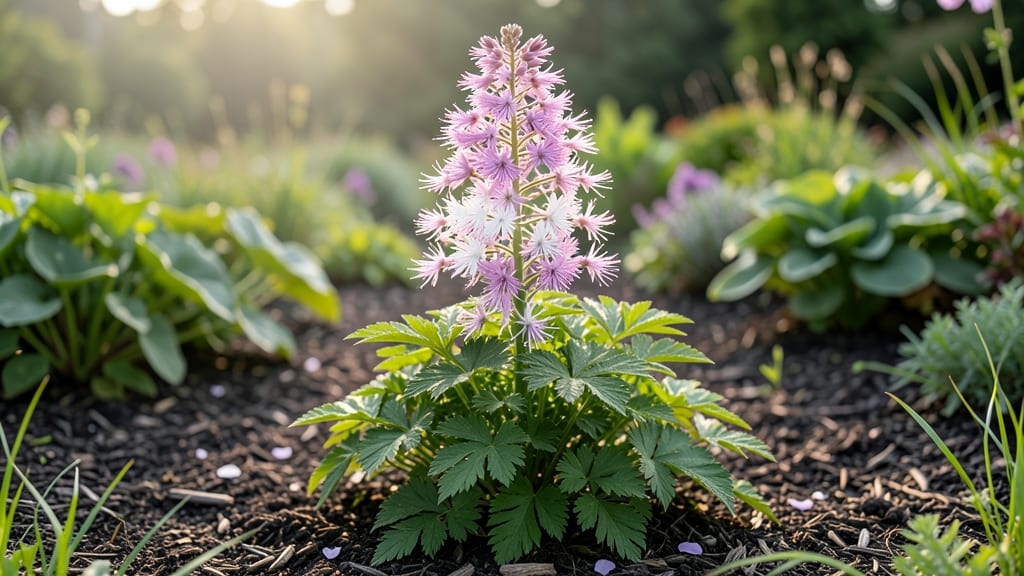
The astilbe bloom time typically arrives between late spring and early summer, turning your shady garden corners into clouds of delicate plumes 🌸. If you’ve ever waited impatiently for those feathery spikes to appear, you’re not alone—timing depends on both the variety you’ve chosen and your local climate.
Some astilbe varieties burst into color as early as May, while others linger until July, creating a staggered display that keeps your garden vibrant for weeks.
In Zone 6a, where many gardeners grow astilbe, the bloom window often aligns with the last frost date—around April 15—but cooler springs can delay the show.
To maximize your astilbe’s bloom time, focus on partial shade and well-draining soil, which encourages healthy roots and stronger stems. Deadheading spent blooms also tricks the plant into producing more flowers, extending the season by 2-4 weeks in ideal conditions.
Below, I’ll break down exactly when to expect blooms from popular varieties, how your hardiness zone shifts those timelines, and the simple care tricks that keep astilbe flowering longer—no guesswork required.
Astilbe bloom time by variety: when to expect flowers
Timing your garden’s astilbe blooms depends heavily on the variety you choose. Some burst into color as early as late spring, while others wait until mid-summer. Understanding these differences lets you plan for continuous fluffy plumes from June through August.
The key is selecting varieties that align with your local climate and bloom preferences—whether you crave early season color or extended summer displays.
Most astilbes thrive in USDA Zones 3-8, but their bloom windows shift slightly based on your zone. For example, Zone 4 gardeners might see blooms 2-3 weeks later than Zone 7 counterparts.
Pairing the right variety with your zone ensures you won’t miss the peak bloom spectacle. Let’s dive into the specifics of popular varieties and their predictable bloom times.
Visual cues like leaf color and growth rate can help you estimate bloom timing. For instance, varieties with deep purple foliage (like 'Deutschland') often bloom slightly later than those with lighter green leaves (like 'Fanal'). Pay attention to these hints as your plants mature—it’s a natural way to anticipate blooming without relying solely on calendars.
| Variety | Bloom Period | Plume Color | Height (ft) | Bloom Notes |
|---|---|---|---|---|
| 'Fanal' | Late May - Early June | Deep pink | 2-3 | Early bloomer; first to flower in most zones |
| 'Glut' | Mid-June - July | Crimson red | 2-3 | Mid-season; longest bloom duration |
| 'Deutschland' | Late June - August | White | 3-4 | Late bloomer; heat-tolerant varieties |
| 'Bridal Veil' | June - July | Pure white | 2-3 | Classic choice; elegant plumes for weddings |
| 'Peach Blossom' | Late June - July | Peach | 1.5-2.5 | Dwarf variety; great for borders |
If you’re planting multiple astilbe varieties, stagger their bloom times for a continuous color show. For example, pair 'Fanal' (early bloomer) with 'Deutschland' (late bloomer) to enjoy pink plumes in May and white plumes in August.
This strategy works especially well in shade gardens where seasonal interest is limited. Just be mindful of your local frost dates—early bloomers like 'Fanal' may need protection in Zone 3.
Color plays a crucial role in bloom timing predictions. Darker plumes (like 'Glut's crimson) often emerge slightly later than lighter shades (like 'Bridal Veil's white). This isn’t a hard rule, but it’s worth noting when selecting varieties.
For instance, if you want early season drama, opt for pink or white astilbes—they tend to lead the pack. Save the deep reds and purples for mid-to-late summer.
Don’t overlook dwarf varieties like 'Peach Blossom' if you’re working with small spaces. These compact plants follow the same bloom timeline as their taller counterparts but offer earlier flowering in some cases.
Their 1.5-2.5 foot height makes them perfect for container gardens or front-of-border plantings, where you can still enjoy their fluffy textures up close.
To maximize bloom duration, practice deadheading—simply snip off spent plumes with clean pruning shears after flowering. This encourages your astilbes to produce second flushes of blooms, especially in warmer zones. In cooler climates
How USDA hardiness zones affect astilbe bloom time
Your USDA hardiness zone plays a starring role in when your astilbe blooms appear. These fluffy favorites thrive in zones 3 through 8, but their bloom timing shifts dramatically depending on whether you're in chilly Zone 3 or balmy Zone 8.
In colder zones, expect blooms to push later into summer, while warmer zones may see earlier displays.
For example, in Zone 4-5, astilbe typically blooms between late June and August, while Zone 6-8 gardeners often enjoy flowers from May through July. The difference comes down to frost sensitivity—early bloomers in warm zones might get nipped by late frosts in cooler regions.
To extend your astilbe bloom season, try these zone-specific tricks. In cooler zones (3-5), plant varieties like 'Deutschland' or 'Fanal'—they handle shorter seasons better. For warmer zones (6-8), opt for 'Glut' or 'Amethyst' to avoid heat stress.
Create microclimates to push blooms earlier or later. A north-facing wall can delay frost in Zone 4, while a south-facing bed in Zone 7 might bring blooms 2 weeks sooner. Mulch heavily in fall to protect roots from freeze-thaw cycles that stress plants.
Deadheading spent blooms is key across all zones—it encourages reblooming and extends your display. In Zone 3-4, wait until after the last frost to prune, while Zone 6-8 gardeners can trim back in early spring. Always use clean, sharp shears to avoid disease.
Remember, soil moisture matters most. Astilbe in Zone 5+ needs consistent watering during dry spells, while Zone 3-4 plants benefit from winter mulch to retain moisture. A 2-3 inch layer of organic mulch keeps roots happy through temperature swings.
With these zone-specific strategies, you can enjoy astilbe blooms for up to 6 weeks—whether you're in frost-prone Zone 3 or mild Zone 8. The secret? Match your variety to your zone and give it the right microclimate love. 🌸