
Blooming
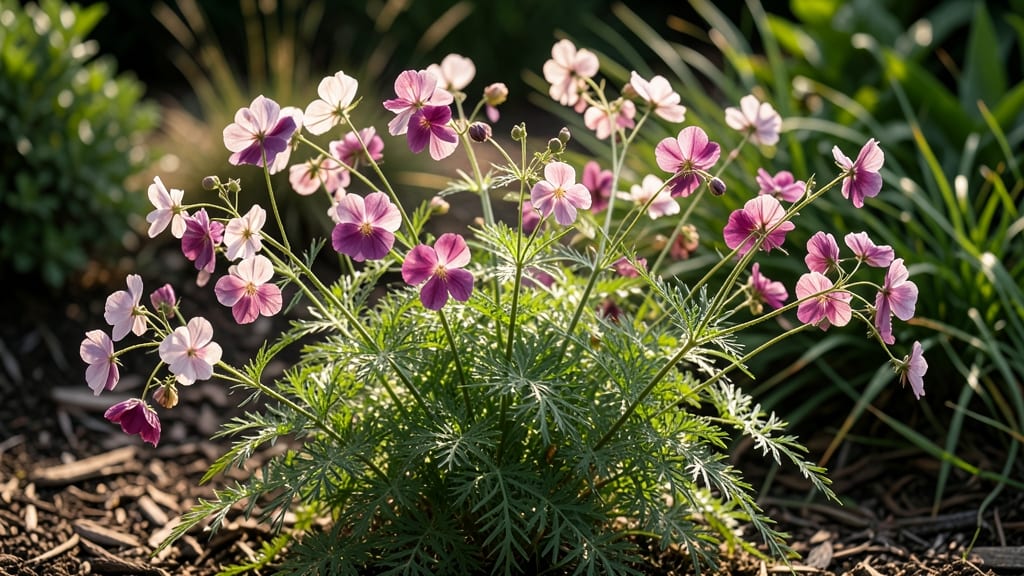
Gaura blooms from early summer through fall 🌸, turning your garden into a cloud of delicate, airy flowers—but the exact timing depends on your variety and zone.
Picture this: you’ve just tucked your gaura into the ground in spring, dreaming of a summer cottagecore vibe. But here’s the catch—some varieties burst into color by June, while others wait until August, and zone differences can shift that window by weeks.
Knowing these details means you can plant with purpose, ensuring your garden stays lively from July to October without gaps.
In Zone 6a (like where I garden), most gaura varieties start flowering in late June, but heat-loving types like ‘Whirling Butterflies’ might wait until July. Meanwhile, cooler climates in Zone 4 can see blooms pushed back to August.
The trick? Choose the right variety for your area and give them full sun—their secret to a longer, more dramatic show.
Below, I’ll break down bloom times by variety, zone-specific tips to extend your gaura’s season, and the three pruning tricks that keep flowers coming until frost. Ready to plan your dream summer display?
Gaura bloom time by variety: annual vs perennial flowering seasons
If you're dreaming of a summer garden filled with whirling pink and white blooms, timing is everything. Gaura plants offer extended bloom seasons, but their performance varies wildly by variety.
Perennial gaura varieties like Whirling Butterflies often start blooming in early June and continue through first frost, while annual varieties may bloom earlier but fade faster. Let’s break down the bloom windows so you can plan your garden layout for maximum impact.
Gaura’s delicate, airy flowers create a dancing effect in the breeze, but not all varieties perform the same. Some, like Cajun Pink, are early bloomers that start in late May, while others like Siskiyou Pink peak in mid-summer and last until fall.
Understanding these differences helps you mix varieties for a continuous color show from spring through autumn.
🌸
Perennial gaura varieties like Whirling Butterflies and Cherry Pie are the stars of long-blooming displays, often starting in early June and continuing until the first frost. Their airy stems and continuous blooms make them ideal for border gardens and cut flower arrangements.
These varieties thrive in full sun and well-draining soil, which encourages their prolonged flowering.
Annual gaura varieties, such as Passion Pink, tend to bloom earlier but may fade faster by early fall. They’re perfect for seasonal color bursts or container gardens where you can replace them with fall-blooming plants.
If you’re planting annual gaura, aim for late spring to give them time to establish roots before their peak bloom period in June and July.
For a non-stop bloom show, mix early, mid, and late-season varieties. Start with Cajun Pink in late May, then add Whirling Butterflies in early June, and finish with Siskiyou Pink in mid-summer. This layered approach ensures your garden stays vibrant from spring through fall.
🌿
One of the secrets to longer gaura blooms is deadheading. Remove spent flowers regularly to encourage new blooms, especially in perennial varieties. This simple task can extend your bloom season by 4-6 weeks, giving you even more time to enjoy their whimsical movement in the
How USDA hardiness zones affect gaura bloom time and planting strategy
Your gaura bloom time depends heavily on your USDA hardiness zone, especially since some varieties are frost-sensitive. In warmer zones like 8-10, gaura often blooms continuously from spring to frost, while colder zones (4-6) may see delayed or shorter bloom seasons.
Understanding these differences helps you choose the right planting strategy for your climate.
Gaura thrives in zones 4-10, but its blooming window shifts dramatically. In northern climates, frost can damage tender varieties, while southern gardeners enjoy year-round blooms with proper care. Let’s break down how to time your plantings for maximum summer color in each zone.
In zones 4-5, where frost is a risk, opt for hardy varieties like 'Whirling Butterflies'**. Plant after your last frost date in late spring to avoid early-season damage. Use a thick mulch layer to insulate roots during winter, which helps extend the next season’s bloom time.
For zones 6-7, you can plant gaura as early as April, giving it time to establish roots before summer heat. Deadhead spent blooms to encourage prolonged flowering through fall. In these zones, gaura often blooms until the first frost, creating a late-season spectacle.
Gardeners in zones 8-10 enjoy the most flexibility. Plant in fall or spring for continuous blooms, as gaura thrives year-round in warm climates. Prune lightly to maintain shape and encourage new growth, which translates to more flowers.
To extend bloom seasons in colder climates, try container gardening. Move pots indoors or to a sheltered spot before frost hits, then return them outdoors in spring. This trick works especially well for tender varieties like 'Cajun' gaura, which loves warmth.
By aligning your planting strategy with your USDA zone, you’ll ensure your gaura blooms at the perfect time—adding season-long color to your garden with minimal effort. 🌸