
Blooming
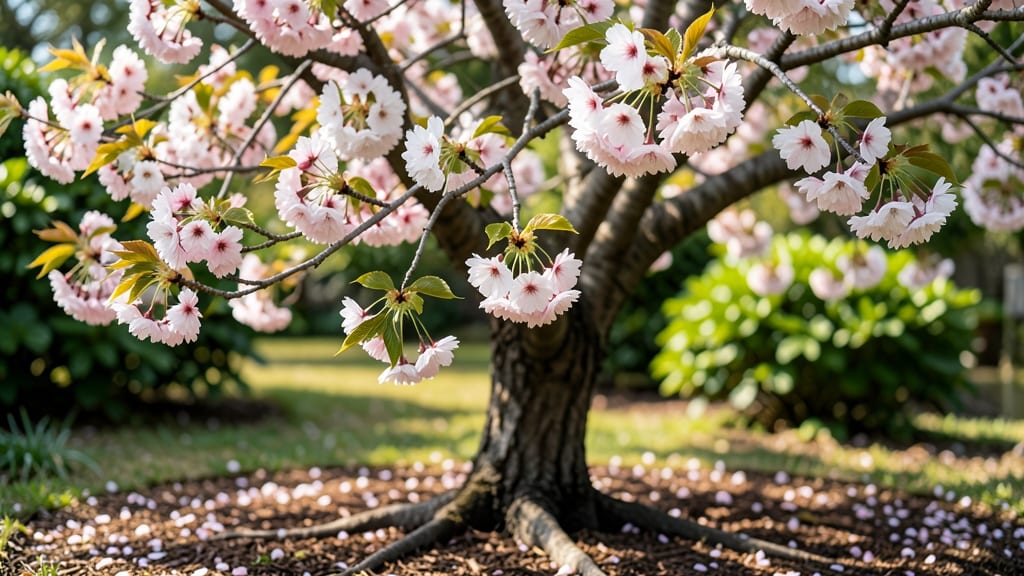
The cherry blossom tree bloom time you’ve been waiting for depends on where you live and when you planted it — but with the right timing, you could see those iconic pink canopies as early as late March.
Picture this: you’ve just settled into your morning coffee when the first whisper-pink buds appear, signaling that spring has truly arrived. But here’s the catch — planting too early or too late can delay that magical moment by years.
The key? Understanding how your USDA zone, soil prep, and even last year’s frost dates influence when those 🌸 showstopper blooms will arrive.
Most cherry blossom trees in USDA Zones 5-8 burst into color between late March and early April, but regional differences can shift that window by weeks. For example, coastal areas often bloom earlier than inland spots due to milder winters.
Meanwhile, varieties like Yoshino (the classic) and Kwanzan (with its dramatic double blooms) each have their own rhythms.
In this guide, I’ll break down exactly when to expect blooms in your area, how to time your planting for peak color, and the simple care tweaks that can extend your tree’s flowering season. No more guessing — just stunning, timed-perfection blooms year after year.
Cherry blossom bloom time by USDA Zone: when to expect peak color
Timing your cherry blossom tree planting to match your USDA hardiness zone is the key to unlocking those dreamy spring blooms. The average bloom window shifts dramatically from Zone 5 to Zone 9, with coastal regions often blooming 2-3 weeks earlier than inland areas.
Understanding these patterns helps you choose the right variety and prepare for peak color displays.
For example, the iconic Yoshino cherry blossom (Prunus × yedoensis) typically blooms in early April in Zone 6, while the Kwanzan cherry (Prunus serrulata 'Kwanzan') may wait until mid-April. Autumn Royal cherry trees even extend the show into late April or May in warmer climates.
Let's break down what to expect in your specific zone.
Microclimates play a huge role in bloom timing. Coastal areas with milder winters (like San Francisco) often see blooms 2-3 weeks earlier than inland cities at the same latitude. Meanwhile, urban heat islands can delay blooms by 1-2 weeks in cities like Chicago compared to surrounding rural areas.
Here's a quick reference for peak bloom windows across popular varieties by zone:
| USDA Zone | Yoshino Bloom Window | Kwanzan Bloom Window | Autumn Royal Bloom Window | Coastal Adjustment |
|---|---|---|---|---|
| Zone 5 | Late April - Early May | Early May | Mid-May | 1-2 weeks earlier |
| Zone 6 | Early - Mid April | Mid - Late April | Early May | 10-14 days earlier |
| Zone 7 | Mid - Late March | Late March - Early April | Mid April | 7-10 days earlier |
| Zone 8 | Late February - Early March | Early March | Late March - Early April | 3-5 days earlier |
| Zone 9 | January - February | February | March | 1-2 weeks later (coastal inversion) |
In Zone 5, where winters are harsh, cherry blossoms often wait until late April or early May to bloom. The Yoshino cherry is particularly sensitive to cold snaps, so planting near a south-facing wall can provide 2-3°F warmer microclimate and encourage earlier blooms.
Gardeners in Minneapolis often report their trees blooming 10 days later than those in nearby Madison, Wisconsin, due to lake-effect cooling.
For Zone 6 gardeners, the Kwanzan cherry becomes a favorite because its double pink blooms often appear 1-2 weeks after Yoshino, extending the show. In Washington, D.C., the National Cherry Blossom Festival typically peaks when 80% of Yoshino trees are in full bloom, usually around mid-April.
To push blooms earlier, I recommend planting near water features or in raised beds with excellent drainage.
Southern gardeners in
How to time cherry blossom planting for optimal spring blooms
Timing your cherry blossom tree planting correctly ensures vibrant spring blooms in just 3-5 years. Unlike most plants, these trees need a dormancy period to set buds properly.
In colder zones (5-6), fall planting gives roots time to establish before winter, while warmer zones (7-9) thrive with early spring planting when soil warms.
For container planting, urban gardeners can plant anytime except winter, but bare-root trees must go in during their dormant season. The key is matching your USDA zone with the tree’s natural bloom cycle—most varieties need chill hours (300-900) to trigger flowering.
⚠️ Critical Bloom Timing Warning
Planting too late delays blooms by 1-2 years, while planting in summer risks heat stress. Soil temps below 40°F (4°C) can kill young roots—wait until ground thaws in spring or after first frost in fall. Urban microclimates (like heat islands) may require earlier fall planting to compensate.
Pro Tip: Test soil temperature with a thermometer—ideal planting temps are 50-60°F (10-15°C). Use mulch to regulate temps if planting in transition zones (e.g., Zone 6b).
In USDA Zone 5-6, aim for October-November planting when soil cools but stays above freezing. For Zone 7-9, March-April works best—just before buds swell. Container-grown trees adapt better to off-season planting but need consistent moisture during establishment.
Prepare the soil by amending with compost and a slow-release fertilizer (10-10-10). Cherry blossoms hate waterlogged roots, so ensure well-draining soil with a slightly acidic pH (6.0-7.0). Urban gardeners can use raised beds to improve drainage in compacted city soil.
After planting, water deeply (15-20 gallons) to settle roots, then mulch heavily (3-4 inches) to retain moisture. Young trees need weekly watering in dry spells, but mature trees tolerate drought once established. Prune dead branches in late winter to encourage next year’s blooms.
With the right timing, your cherry blossom tree will reward you with pink clouds of flowers in late March-April, turning your yard into a springtime spectacle. Patience pays off—just give it 3-5 years for that first full bloom! 🌸