
Blooming
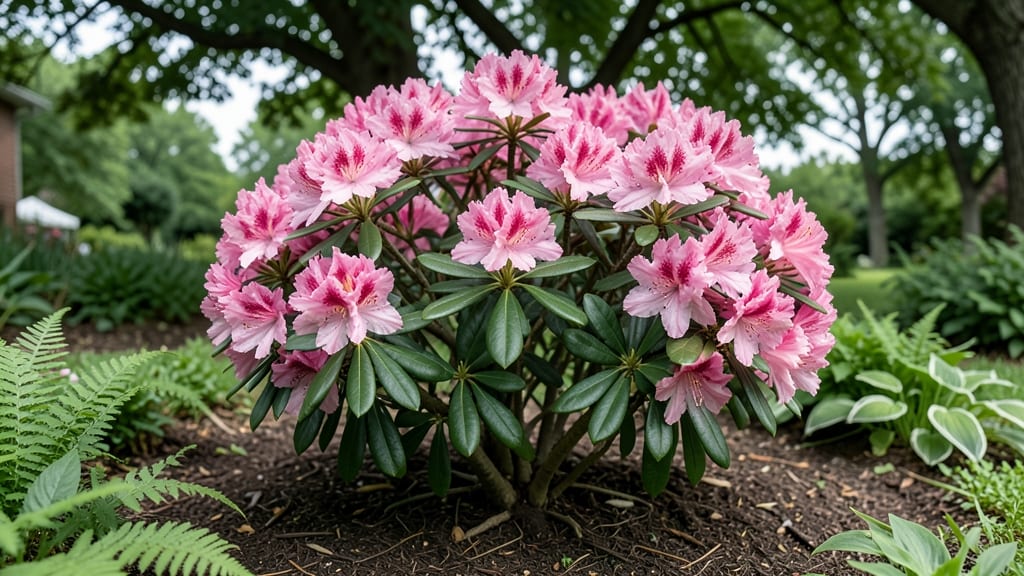
Double pink azaleas turn your garden into a dreamy springtime watercolor. 🌸 Their velvety petals and repeat-blooming habit make them the star of any border or container display—whether you're staging a bloom-a-thon or just showing off to neighbors.
I’ve used them to create dramatic focal points that last from late spring through summer, with the right care. The secret to their magic lies in pairing them with the right companions: dwarf boxwoods for structure, ferns for texture contrast, and purple clematis to echo their color.
In containers, they thrive with acidic potting mix and morning sun, while in borders, they love partial shade and well-draining soil. The result? A showstopping display that feels like a curated gallery.
You’ll love how they transform a plain yard into a romantic, cottage-style retreat or a formal garden jewel. Their fragrance lingers in the breeze, and the way they rebound after pruning makes them the ultimate low-maintenance diva. Perfect for garden tours, weddings, or just daily enjoyment.
For reblooming, feed them azalea fertilizer in early spring and deadhead spent blooms. Group them in odd numbers for natural flow, and watch your garden become the talk of the neighborhood. Here’s how to make them shine!
📚 In This Guide
- What you need
- Instructions
- Tips and common mistakes
- Wrapping up and next steps
What you need
- ● Azalea plants: 3–5 Rhododendron varieties (e.g., 'George L. Taber,' 'Girard’s Double Pink,' or 'Hino Crimson')—ensure they’re reblooming types (indicated as "everblooming" or "repeat blooming" on tags).
- ● Well-draining potting mix: 5–10 gallons (for containers) or 1–2 cubic yards (for borders). Use a mix specifically for acid-loving plants (pH 4.5–6.0) or amend garden soil with peat moss, perlite, and pine bark.
- ● Containers (if applicable): 3–5 10–15 gallon pots with drainage holes (for individual plants).
- ○ Self-watering planters (optional but ideal for consistency).
- ● Slow-release fertilizer: 1–2 lbs of acid-loving plant fertilizer (e.g., 16-4-8 or 12-6-6 with micronutrients). Look for labels with iron, magnesium, and sulfur.
- ● Mulch: 2–3 inches of pine bark fines or pine straw to retain moisture and acidity.
- ● Watering can or hose with a gentle spray nozzle: Azaleas hate soggy roots—aim for 1–2 inches of water per week.
- ● Pruning shears: Bypass pruners (sterilized with rubbing alcohol) for shaping and deadheading.
- ● Epsom salt: 1 tbsp per gallon of water (monthly feed for magnesium boost).
- ● Liquid iron supplement: (e.g., Iron Chelate) to prevent yellowing leaves.
- ● Companion plants: Pair with heucheras, ferns, or hydrangeas for a cohesive border look.
- ● Shade cloth (30–50% coverage): If your azaleas are in hot, direct sun (they prefer morning sun + afternoon shade).
- ● Garden gloves: Protect your hands from acidic soil and thorns.
How to coax double pink azaleas into a second bloom
Here's the secret to turning your azaleas into repeat bloomers—no fancy tricks, just precise timing and care.
🌱 Step 1: Prune After First Bloom for Stronger Growth
Wait until your azalea's first flush of double pink blooms has completely faded and new growth appears. This is your cue to prune—cut back one-third of the oldest stems to just above a leaf bud. I always use clean, sharp shears to avoid tearing the bark, which invites disease. The goal is to encourage fresh, vigorous growth that will support a second bloom.
Here's the thing—don't prune too late. If you wait until fall, you'll miss the window for new wood to harden enough for winter. I mark my calendar for late May to early June in my zone 7 garden. You'll see new shoots emerging within 3-4 weeks—that's your signal everything's working.
☀️ Step 2: Feed and Water for Continuous Growth
After pruning, fertilize with an acid-loving plant food (like 8-3-9 with micronutrients) to replenish nutrients lost during blooming. I apply it in three equal doses—once right after pruning, again in 6 weeks, and a final time in late summer. Water deeply twice weekly until the top 2 inches of soil feel moist.
Azaleas hate soggy roots, so I always check the soil before watering. If it's still damp, I wait. The key is consistent moisture without waterlogging. You'll notice leaves staying vibrant and stems thickening—this means your plant is building energy for another bloom cycle.
✂️ Step 3: Light Pruning to Shape and Encourage Blooms
In late summer (August), do a light shaping prune to remove any dead or crossing branches. Focus on opening up the center of the plant for better airflow—this prevents fungal issues that can kill next year's buds. I never cut more than 10% of the plant's total growth at this stage, just enough to maintain shape.
Watch for new flower buds forming at the ends of branches. These look like tiny green cones. Don't trim them off—they're your future blooms! If you see any leggy growth, I pinch back the tips to encourage bushier growth. This second pruning is all about balance—keeping the plant healthy without stressing it before winter.
🪴 Step 4: Winter Protection for Spring Reblooming
Once temperatures drop below 40°F at night, cover container-grown azaleas with burlap or frost cloth to protect roots. For border plants, I mound 3-4 inches of mulch around the base, keeping it 6 inches away from the trunk to prevent rot. This insulation keeps roots from freezing and thawing repeatedly, which can damage them.
I also reduce watering in winter—just enough to keep soil from drying out completely. Overwatering in cold weather leads to root rot. By late February, I start checking for new growth. If you see pale green shoots emerging, that's your sign to gradually remove winter protection and resume regular care.
💧 Step 5: Spring Kickstart for Peak Double Pink Blooms
When you see those first spring shoots, it's time to feed again. I use a half-strength acid fertilizer in early April to wake up the plant gently. Water deeply every 5-7 days to encourage root growth. The goal is to have your azalea looking lush and ready to repeat its stunning double pink performance.
Here's where it gets fun—watch for those first buds to form. They'll appear as small pinkish-green cones along last year's growth. This is your payoff for all the careful pruning and feeding. With the right care, you'll get a second bloom cycle that rivals the first—sometimes even more spectacular!
Tips & tricks for perfect azalea reblooming
Small adjustments make all the difference when coaxing azaleas into a second bloom cycle—these are the details that separate a one-time show from year-round color.
Pruning Precision: When you're cutting back those one-third oldest stems in Step 1, make your cuts at a 45-degree angle just above a leaf bud. This angled cut prevents water from pooling on the stem, which reduces rot risk. I also recommend sterilizing your shears with rubbing alcohol between cuts—it's a simple step that prevents spreading disease between branches. The 3-4 week window for new shoots is your confirmation the plant is responding well.
Fertilizer Timing: The three equal doses in Step 2 should be spaced exactly 6 weeks apart—this maintains consistent nutrient levels without overwhelming the plant. I've found that using a slow-release acid fertilizer in the first application (right after pruning) gives the best results. For container-grown azaleas, you can actually double the recommended dose since they have less soil volume to work with. Just be sure to water thoroughly after each feeding to prevent root burn.
Winter Protection Strategy: That 40°F nighttime threshold is crucial—it's when roots become vulnerable to freeze-thaw damage. For container azaleas, I add an extra layer of insulation by wrapping the pot in bubble wrap before adding frost cloth. This double protection is worth the effort, especially in colder climates. When checking for pale green shoots in late February, look at the base of the plant first—that's where new growth always appears first.
Pro Tips for Azalea Bloom A Thon Double Pink
- Small adjustments make all the difference when coaxing azaleas into a second bloom cycle—these are the details that s...
- Pruning Precision: When you're cutting back those one-third oldest stems in Step 1, make your cuts at a 45-degree ang...
- Fertilizer Timing: The three equal doses in Step 2 should be spaced exactly 6 weeks apart—this maintains consistent n...
Frequently asked questions
about growing Azalea Bloom-A-Thon Double Pink—your go-to guide for troubleshooting, timing, and container magic!When will my Double Pink Azalea bloom the second time?
The Bloom-A-Thon Double Pink azalea typically reblooms 6–8 weeks after the first flush, usually in late summer to early fall (August–September). For best results, provide consistent moisture, partial shade, and a balanced fertilizer like 10-10-10 after the first bloom fades. Patience is key—reblooming takes energy!
Can I grow this azalea in containers year-round?
Yes! This variety thrives in containers, but winter care is critical in cold climates (USDA Zones 6–9). Use a well-draining mix (peat moss + perlite) and move pots to a sheltered spot or indoors (near a bright window) when temps drop below 20°F (-7°C)
Double Pink azaleas may struggle to open if:
Why aren’t my azalea flowers opening fully?
Pro tip: A light trim of spent blooms (deadheading) encourages new buds!
What’s the secret to reblooming success?
Reblooming requires three things:
- Aftercare: Fertilize with acidic, high-phosphorus food (like 7-9-5) after the first bloom.
- Stress-free growing: Avoid transplant shock—keep them in the same container or spot if possible.
- Winter chill: Most azaleas need 4–6 weeks below 50°F (10°C) to trigger reblooming. If you’re in a warm climate, simulate this with cool nights.
Are there alternatives if my azalea won’t rebloom?
If reblooming fails, try these low-maintenance, long-blooming alternatives:
Plant
Bloom Time
Care Level
Rhododendron 'PJM'
Spring + occasional fall
Moderate (loves shade)
Camellia 'Spring’s Promise'
Winter–spring
Easy (tolerates containers)
Hydrangea 'Endless Summer'
Summer–fall
Beginner-friendly
All three handle containers well and offer stunning pink blooms with less fuss!
Wrapping up and next steps
There you have it—your Azalea Bloom-A-Thon Double Pink guide to unlocking reblooming magic in containers and borders! 🌸 With the right care, pruning, and a dash of patience, you can transform your azaleas into stunning, repeat-blooming stars.
Whether you’re a seasoned gardener or a newbie with green thumbs, these tips will help you nurture vibrant, healthy plants that steal the show.
Ready to take the next step? Grab your shears, grab a friend, and start experimenting with your azaleas today. Who knows?—your garden could be the talk of the neighborhood next spring! 🌿✨