
Blooming
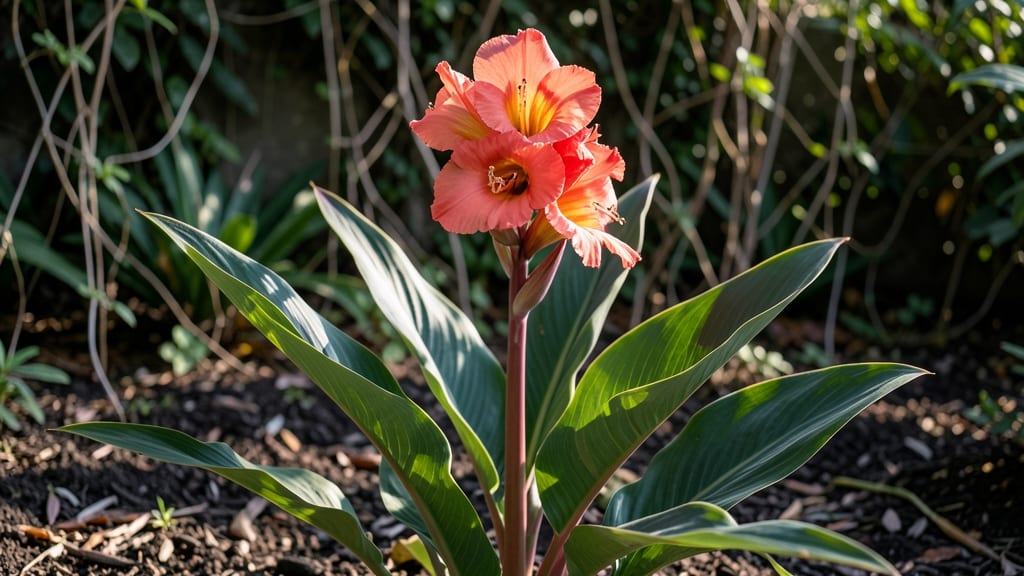
The canna bloom time is a heat-triggered event that turns your garden into a summer spectacle of purple spikes and fiery hues.
If you’ve ever waited impatiently for your 🌺 canna lilies to burst into vibrant purple spikes, you’re not alone—timing their bloom is half the battle. These heat-loving plants follow a precise schedule, and knowing exactly when to expect their showstopping flowers can transform your garden planning from guesswork to precision.
In Zone 6a and warmer, cannas typically bloom from mid-July through September, but the exact timing depends on soil warmth, variety, and care.
A single late frost or inconsistent watering can delay their grand entrance, so understanding the factors that influence their bloom window is key to getting the most out of your plants.
Below, I’ll break down the heat zones that dictate bloom timing, share 5 signs your cannas are ready to flower, and compare how different varieties—like the bold 'Purple Passion'—align with your seasonal expectations. Let’s make sure your cannas put on their best show!
How heat zones dictate canna bloom time (with exact months)
Your canna lilies don’t bloom on a whim—they follow a heat-triggered schedule tied to your USDA hardiness zone. In warmer zones, they may burst into color by June, while cooler regions might see their first spikes in August.
Understanding these patterns lets you plan your garden like a pro, ensuring you’re ready when those vibrant purple or golden yellow blooms arrive.
The key? Soil temperature and nighttime warmth act as the bloom switch. Most cannas need consistent 70°F+ soil temps to trigger flowering, which happens 60-90 days after planting in ideal conditions.
But zone differences create a 3-month bloom window shift from north to south. Let’s break it down by zone so you know exactly when to expect those showstopping canna spikes.
📊 SUMMARY-TABLE: CANNA BLOOM TIME BY USDA ZONE
If you’re in Zones 5-6, your cannas are playing catch-up with the heat. These cooler climates demand cold-hardy varieties like 'Pactolus' or 'Durban', which can tolerate brief frosts but still need consistent summer warmth to bloom.
Plant rhizomes early—April 15 is ideal—to give them a head start before the July-August bloom window.
Gardeners in Zones 7-8 have the luxury of a 3-month bloom. Here, cannas like 'Wyoming' or 'Cleopatra' start as early as June and may linger until September. The secret? Nighttime temps above 60°F trigger those purple spikes. If your blooms fade early, try deadheading to encourage reblooms.
For Zones 9-10, cannas are tropical superstars. Varieties like 'Tropicanna' or 'Red Mundi' bloom as early as May and may rebloom in fall if conditions stay warm. Here, soil temps above 75°F are ideal—use mulch to retain heat and extend the season.
In Zone 11, cannas are year-round performers, often blooming twice annually if given proper care.
Don’t forget: soil temperature matters more than air temperature. Stick your finger 2 inches deep—if it’s below 65°F, your cannas are biding their time. Use a soil thermometer for accuracy, especially in spring-planted zones. Once temps hit 70°F+ consistently, count 60-90 days to blooms.
Pro tip: Nighttime warmth is the final trigger. Cannas need at least 55°F nights to set buds. In cooler zones, row covers or black plastic mulch can add 5-10°F to soil temps, speeding up blooming.
For tropical varieties, this means earlier blooms—sometimes as early as May in Zone 9.
Watch for leaf size as a clue. Large, 12-inch leaves signal maturity and impending blooms. Pair this with thick stalks (about 1 inch in diameter) for a 90% chance of flowers within 2-4 weeks.
If your cannas are all leaves, no flowers, they may need more sunlight or phosphorus-rich fertilizer.
Finally, deadheading spent blooms can extend your season by 3-4 weeks. In Zones 7-11, this means continuous color from June to
5 Signs your cannas are ready to bloom (and how to speed it up)
Your canna lilies may look like lush foliage machines all season, but they’re actually plotting their grand floral debut. Knowing the subtle cues they send means you’ll spot those imminent blooms before your neighbors.
These tropical divas don’t bloom overnight—they announce their plans through leaf size, stalk thickness, and even their root system. Let’s decode their secret signals.
First, watch for leaf size expansion. When your canna’s leaves grow to 12-18 inches wide (about the size of a dinner plate), that’s your first clue. These broad, banana-like leaves act as solar panels, storing energy for the flowering phase.
Pair that with thicker stalks—they’ll feel firmer when you gently squeeze them, like a ripe avocado. This combo means your plant has shifted from vegetative growth to reproductive mode.
- 🌿 1. Leaves reach 12-18"
Mature foliage signals energy storage for blooms - 🌱 2. Stalks thicken noticeably
Firm, pencil-sized stems indicate flowering prep - 💧 3. Root growth accelerates
Rhizomes expand aggressively before blooming - ☀️ 4. Buds form at leaf axils
Tiny green bumps appear where leaves meet stems - ✂️ 5. Lower leaves yellow slightly
Natural nutrient redistribution for blooms
Here’s the secret sauce: root growth is your canna’s not-so-secret weapon. When you gently dig around the rhizomes (yes, really!), you’ll notice they’ve doubled in size since spring. These underground powerhouses store starches that fuel the flowering process.
Think of them as nature’s energy drinks—when they’re plump and firm, your cannas are ready to burst into color.
To speed up blooming, focus on three key adjustments. First, fertilize with phosphorus—look for a 10-20-10 NPK ratio—to encourage flowering. Apply it when you see those first bud bumps forming at the leaf axils.
Second, water deeply but less frequently—think 1-2 inches per week—to prevent fungal issues while maintaining moisture. Third, prune lower leaves to redirect energy upward toward the flower stalks.
Timing matters too! If your cannas are late bloomers, check their sunlight exposure. These divas need 6+ hours of direct sun daily—any less and they’ll focus on foliage over flowers.
In Zone 8-10, expect blooms by mid-July, while cooler zones (like Zone 7) may see them in late August. Patience pays off, but these tweaks can shave 2-3 weeks off their schedule.
Remember, over-fertilizing with nitrogen will keep your cannas leafy but flowerless. Balance is key—think less green, more purple. And if you’re in a hot climate, mulch around the base to retain moisture while keeping roots cool.
Your cannas will thank you with taller spikes and brighter blooms.