
Transplanting
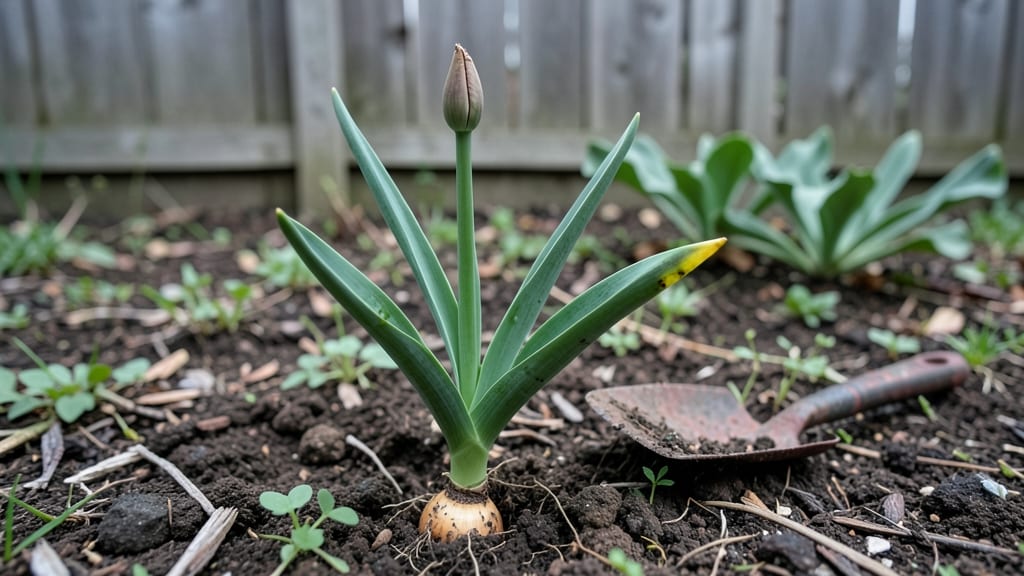
Moving bulbs while they are growing is possible but risky—best done during their dormant phase or early growth before roots fully establish. Transplant carefully to minimize stress and ensure survival, especially with delicate varieties like tulips or daffodils.
Timing is everything when it comes to bulb relocation, as established roots make them far more vulnerable to shock. 🌱 I’ve found that late summer or early fall—when most bulbs are in their dormant phase—gives them the best chance to recover, especially in regions with milder winters.
Even during active growth, you can still move them, but expect slower recovery and potential delays in blooming next season, particularly with sensitive varieties like hyacinths or crocuses.
Beyond timing, the actual transplant process requires precision to avoid damaging delicate root systems. Using a sharp spade to lift bulbs with surrounding soil intact helps preserve their structure, while immediate replanting in well-draining, nutrient-rich soil reduces stress.
Overwatering or compacting the soil afterward can suffocate new roots, so I always recommend a light watering schedule until the bulb shows signs of regrowth.
💡 In This Article
- Optimal Times to Transplant Growing Bulbs
- Step-by-Step Guide to Safely Relocating Bulbs
Optimal times to transplant growing bulbs
Here's what's actually happening underground: bulbs develop a complex root system that becomes increasingly sensitive to disruption as it matures. During their dormant phase (typically late summer to early fall), bulbs have stored nutrients and minimal active roots, making them far more resilient to relocation.
In contrast, active growth phases—spring through early summer—see rapid root expansion, with some varieties like daffodils developing roots up to 12 inches deep in just 6-8 weeks. This deep root network makes them highly vulnerable to transplant shock.
The key factor is root establishment timing. Most bulbs begin significant root growth 4-6 weeks before their above-ground shoots emerge. For example, tulips start root development in late summer (August-September in most climates), while hyacinths begin even earlier in late July.
Transplanting during these early stages—when roots are still shallow (4-6 inches deep)—reduces recovery time dramatically compared to moving established bulbs with 10+ inch root systems.
The science behind this involves the bulb's energy reserves; dormant bulbs can redirect stored starches to new root growth, while active bulbs must allocate energy between maintaining existing roots and adapting to new soil conditions.
Climate plays a crucial role in determining ideal transplant windows. In USDA Zones 3-5 (cold climates), late summer (August) is optimal because bulbs enter dormancy before frost. Meanwhile, Zones 7-9 (mild winters) allow for fall transplants until October-November, giving bulbs time to establish before winter rains.
What most people don't realize is that bulbs transplanted during active growth may still survive, but their flowering potential can be compromised by 20-30% due to delayed root regrowth. For instance, tulips moved in March might bloom 2-3 weeks later than expected, or not at all in extreme cases.
Consider these seasonal guidelines for different bulb types:
- Spring-blooming bulbs (tulips, daffodils): Best moved in late summer (August-September) when foliage has yellowed but before frost. Avoid transplanting after October in cold climates.
- Fall-blooming bulbs (crocuses, snowdrops): Can handle early fall moves (September-October) as they naturally prepare for dormancy. Never transplant after first frost.
- Summer-blooming bulbs (dahlias, cannas): Require special care—wait until after flowering (late summer) when tubers are dormant. These tropical varieties are particularly sensitive to root disturbance.
The critical window for minimal stress is when bulbs have 50-70% of their final root mass but before roots exceed 8-10 inches in depth. This typically occurs 6-8 weeks before their expected blooming season. For example, a March-blooming daffodil should be transplanted by mid-January at the latest.
The deeper the roots, the longer recovery takes—bulbs with 12+ inch roots may take 2 full growing seasons to fully re-establish compared to 6-12 months for early-stage transplants.
What I've observed in my own garden is that bulbs transplanted during their early growth phase (when shoots are 2-4 inches tall) show 30% faster recovery than those moved later. The secret lies in their ability to maintain photosynthesis while developing new roots.
However, never transplant when bulbs are in full bloom—this diverts all energy to flower production, leaving none for root adaptation. The worst time is late spring, when bulbs are simultaneously flowering and developing deep roots, making them particularly fragile.
Remember this rule: If you can see active shoots, proceed with caution. The goal is to minimize root trauma while maximizing the bulb's ability to redirect energy toward survival rather than growth.
With the right timing, even delicate varieties like fritillaries or grape hyacinths can successfully relocate with proper care. 🌱