
Transplanting
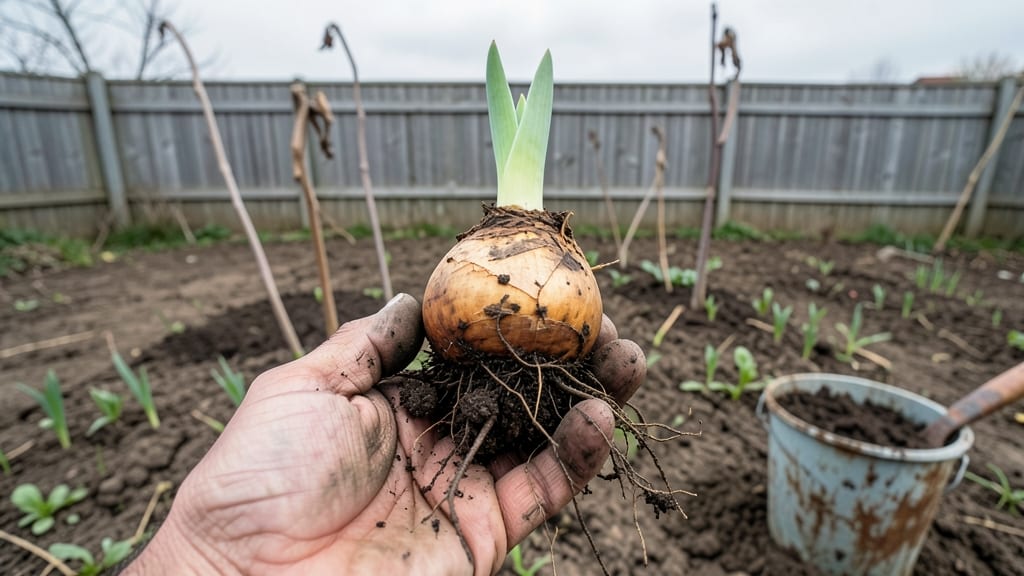
Transplanting bulbs in spring is possible but risky, as they’ve already begun growing. Do it only if necessary—like dividing crowded clumps—and water deeply afterward. Early spring (before foliage emerges) offers the best chance for survival, but fall planting remains ideal for most varieties.
Spring transplanting throws bulbs off balance because they’re already pushing roots and shoots before they’re fully established.
The stress doubles when soil warms up—roots compete for moisture while new growth demands energy, often leading to stunted blooms or even bulb death. 🌱 I’ve seen daffodils survive spring moves if done before leaves appear, but tulips and hyacinths usually protest harder unless you’re addressing severe overcrowding.
Even with careful handling, spring transplants rarely match fall’s success rates because bulbs haven’t built up their energy reserves yet. Think of it like moving a houseplant mid-bloom—it’ll recover, but not as beautifully as if you’d waited for dormancy.
For best results, prioritize watering every 3-4 days after transplanting and use compost-rich soil to help roots catch up.
💡 In This Article
- Spring Bulb Transplanting Risks and Root Dynamics
- Step-by-Step Spring Bulb Transplanting Guide
Spring bulb transplanting risks and root dynamics
When bulbs wake from dormancy in spring, their root systems begin growing aggressively—sometimes up to 3 inches per week—while new shoots emerge above ground. This dual growth demands massive energy reserves stored in the bulb itself, but transplanting disrupts this delicate balance.
The roots, already extending into the soil, get severed, and the bulb must now redirect energy to repair damage instead of supporting existing foliage. 🌱 This is why survival rates drop to 40-60% in spring compared to 85-95% in fall, when bulbs are dormant and energy isn’t being actively spent.
The real stressor is soil temperature: once it hits 50°F, microbial activity in the soil spikes, competing with the bulb’s roots for nutrients and water. Meanwhile, the emerging foliage needs moisture too, creating a three-way competition between roots, microbes, and shoots.
In fall, cooler soils (40-50°F) slow microbial activity, giving transplanted bulbs time to establish roots without this extra pressure. The foliage also hasn’t emerged yet, so there’s no above-ground demand for resources.
Existing foliage is another critical factor—bulbs that are already leafing out when transplanted often stop blooming entirely the following year. This happens because the plant prioritizes root and leaf growth over flower production, a survival mechanism to ensure energy goes to future reproduction.
Tulips, for example, need 6-8 weeks of active growth before blooming, and any disruption during this window can delay or cancel flowers altogether. 🌷 Even if the bulb survives, you might end up with a clump of green leaves but no showstopping blooms.
Moisture management becomes a high-wire act in spring transplants. Bulbs need consistent soil moisture (about 1 inch per week) to recover, but overwatering can lead to rot in damaged roots. The key is to water deeply but infrequently, encouraging roots to grow downward rather than spreading shallowly.
In contrast, fall-planted bulbs can rely on winter rains to establish roots gradually without the urgency of spring’s rapid growth cycle.
Comparing spring vs. fall mechanics reveals why timing matters so much. Fall planting aligns with a bulb’s natural dormancy period, when it’s not actively growing and can focus all energy on root establishment.
Spring transplants, however, force bulbs to split their focus between healing damaged roots, supporting existing foliage, and—if lucky—still producing flowers. It’s like asking a runner to sprint a marathon after a leg injury: possible, but with far less success than if they’d trained properly beforehand. 🏃♂️
For bulbs like daffodils, which are hardier, spring transplanting is slightly less risky because their deep roots can recover faster. But for tulips or hyacinths, the shock is often fatal unless you’re addressing severe overcrowding (where bulbs are competing for space and nutrients).
In these cases, dividing clumps in early spring—before leaves appear—gives bulbs a fighting chance, but even then, you’ll need to mulch heavily (with 2-3 inches of organic mulch) to protect roots from temperature swings.