
Blooming
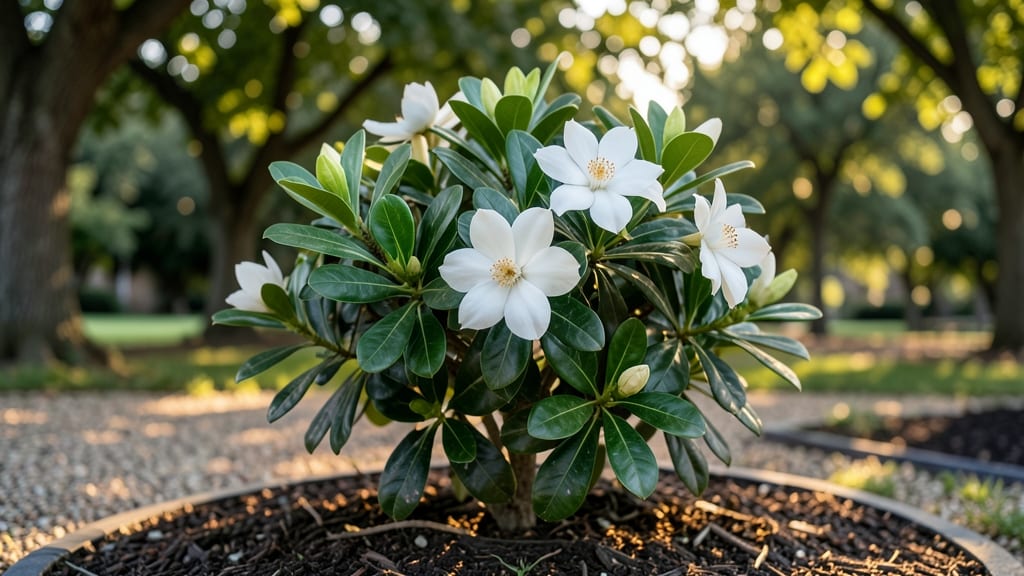
Gardenias in Florida bloom between late spring and early summer, with some varieties stretching into fall—though timing shifts dramatically depending on the cultivar and your region.
Florida gardeners know the intoxicating scent of gardenias 🌸 signals summer’s arrival—but timing varies wildly by variety. If you’re planning your landscape or simply love these fragrant blooms, knowing exactly when to expect their peak beauty can transform your garden’s seasonal strategy.
North Florida’s cooler winters often kick off blooms as early as March, while South Florida’s heat may delay them until May or June. Some hardier types, like ‘Kleim’s Hardy,’ might even reward you with a second flush in fall, while others bloom just once.
Below, I break down the month-by-month schedule for popular gardenias, plus care tips to coax longer blooms—because nobody wants to miss a single whiff of that signature perfume.
Florida gardenia bloom seasons by popular variety (with exact months)
Florida’s humid climate creates perfect conditions for gardenias, but their bloom timing varies dramatically by variety. Some burst into fragrant blooms as early as late winter, while others wait until mid-summer.
Understanding these patterns helps you plan your landscape for year-round fragrance. Regional differences—like North Florida’s cooler winters or South Florida’s prolonged heat—also shift bloom windows by 3-6 weeks.
Most gardenias in Florida produce two bloom cycles annually, with a primary flush in spring and secondary blooms in fall. However, some varieties like 'Radicans' can flower sporadically year-round under ideal conditions.
Heat waves or drought stress often delay blooms, while consistent moisture and afternoon shade encourage earlier, more abundant flowering.
Below is a detailed breakdown of bloom seasons for 10 popular gardenia varieties, including regional variations across North, Central, and South Florida. Use this as your guide to anticipate fragrance peaks and plan pruning or fertilizing schedules accordingly.
| Variety | Primary Bloom Season (North FL) | Primary Bloom Season (Central FL) | Primary Bloom Season (South FL) | Secondary Bloom Season | Notes |
|---|---|---|---|---|---|
| 'Kleim’s Hardy' | April–May | March–April | February–March | September–October | Cold-hardy; blooms later in North FL |
| 'Radicans' | May–June | April–May | March–April | Year-round (sparse) | Climbing variety; thrives in heat |
| 'Veitchii' | June–July | May–June | April–May | August–September | Large, fragrant blooms; needs shelter |
| 'Fortuniana' | April–May | March–April | February–March | September–October | Drought-tolerant; smaller blooms |
| 'Mystery' | May–June | April–May | March–April | August–September | Compact; great for containers |
| 'Cleopatra' | June–July | May–June | April–May | September–October | Heat-loving; glossy leaves |
| 'Augusta Sue' | April–May | March–April | February–March | September–October | Dwarf variety; prolific bloomer |
| 'Radicans Alba' | May–June | April–May | March–April | August–September | White blooms; climbing habit |
| 'Kleim’s Hardy White' | April–May | March–April | February–March | September–October | Cold-hardy white blooms |
| 'Veitchii Superba' | June–July | May–June | April–May | August–September | Extra-large blooms; needs support |
Notice how 'Kleim’s Hardy' and
How to extend gardenia blooms in Florida: pruning, fertilizing & care tips
Florida’s humid climate is perfect for gardenias, but their blooms can fade fast if you don’t give them the right care. The key to longer flowering seasons lies in three critical areas: pruning techniques, soil management, and targeted fertilization.
Many gardeners miss these details, leading to shorter bloom cycles—sometimes just a few weeks instead of months. With the right approach, you can enjoy those creamy white blooms from spring through early fall.
First, let’s tackle the biggest myth: over-pruning kills blooms. Many gardeners cut back too aggressively after flowering, which removes next year’s buds. Instead, we’ll focus on light pruning that encourages bushier growth without sacrificing future blooms.
Pair this with Florida-specific soil adjustments (like fixing magnesium deficiencies) and fertilizer timing, and you’ll see dramatic improvements in both bloom quantity and duration.
- 1. Prune after blooming: Cut back 1/3 of old growth in late summer (August-September) to encourage new buds for next season.
- 2. Feed with magnesium: Yellow leaves? Use Epsom salt (1 tbsp/gallon) monthly to fix deficiencies and boost blooms.
- 3. Acidify the soil: Maintain pH 5.0-6.5 with sulfur or peat moss—alkaline soil stops blooming.
- 4. Fertilize in spring/fall: Use 8-3-9 acid fertilizer every 6 weeks during growing seasons—avoid summer feeding.
- 5. Mulch heavily: 3-4 inches of pine bark retains moisture and keeps roots cool, reducing stress.
Let’s start with pruning, the most common mistake I see. Many gardeners prune gardenias too late or too harshly. The best time is right after flowering, typically in June or July. This removes spent blooms and encourages new growth for next season’s buds.
Use clean, sharp shears and cut at a 45-degree angle just above a leaf node. Avoid heavy pruning in winter—gardenias are sensitive to cold stress, and Florida’s occasional chilly snaps can weaken them.
Next, soil pH makes or breaks gardenia blooms. Florida’s sandy soils often lack the acidity these plants crave. Test your soil—if it’s above 6.5, amend it with elemental sulfur or pine fines mulch.
A quick fix for yellowing leaves (a classic sign of magnesium deficiency) is a monthly Epsom salt spray (1 tablespoon per gallon of water). I’ve seen gardenias go from sparse blooms to lush, fragrant displays in just 8 weeks after correcting these issues.
Finally, fertilizer timing is everything. Gardenias bloom best with balanced, acid-loving fertilizer like 6-6-6 or 8-3-9. Apply it in early spring (February-March) to kickstart growth and again in early fall (September-October) to prepare for winter.
Avoid fertilizing in summer—the heat stresses plants, and excess nitrogen leads to leafy growth instead of blooms. For potted gardenias, use half the recommended dose to prevent root burn.
One last pro tip: water deeply but infrequently. Gardenias hate soggy roots but need consistent moisture. Water early in the morning and aim for 1-2 gallons per plant every 2-3 days during Florida’s dry spells.
Pair this with 3-4 inches of mulch to lock in moisture and keep roots cool. With these adjustments, your gardenias will reward you with months-long blooming seasons instead of fleeting bursts.