
Blooming
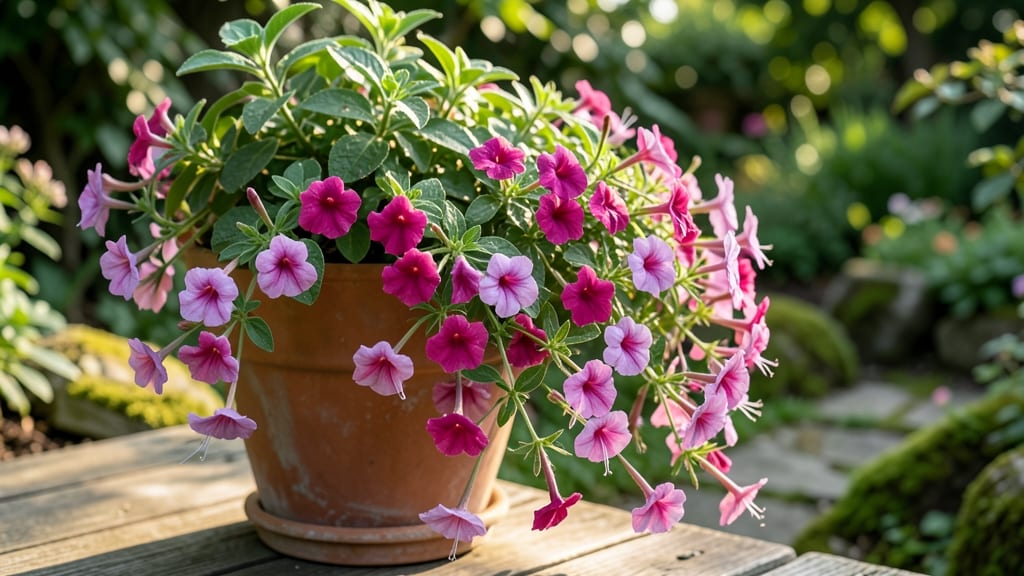
Calibrachoa bloom time is all about timing with the sun, and if you’re not matching their natural rhythm, your flowers might be fading faster than expected.
These tiny powerhouses 🌸 thrive on daylight triggers—think of them as nature’s sun clocks. When the light shifts, so does their blooming cycle, which is why some varieties last for months while others peter out by midsummer.
The secret? Understanding how sunlight, temperature, and even your pruning habits can stretch their peak season from early June all the way to October.
In USDA Zone 6a, where frost-free days stretch from mid-April to mid-October, calibrachoa can bloom continuously if given the right care. But skip the deadheading or overwater, and you’ll cut that window short.
Below, I’ll show you how to read their signals, adjust for your local climate, and keep those vibrant blooms going strong—even when the days start shortening.
You’ll also discover which calibrachoa varieties hold their color longest, how to pair them with companion plants for maximum impact, and the one sunlight trick that doubles your bloom time without extra work.
How calibrachoa bloom time works: the science of sunset-triggered flowers
Calibrachoa, often called mini petunias, are famous for their prolonged blooming seasons, but their sunset-triggered flowers rely on a precise balance of daylight exposure.
These plants use a natural process called photoperiodism—their internal clock responds to changing light cycles, causing buds to open in the evening when temperatures drop. This explains why calibrachoa often bloom most vibrantly in late afternoon, just before dusk.
Understanding this sunset bloom trigger is key to maximizing your plant’s performance. Unlike many flowers that bloom in the morning, calibrachoa wait until evening to unfurl their petals.
This behavior is influenced by 6-8 hours of direct sunlight followed by cooler nighttime temperatures. Without this rhythm, blooms may open sporadically or fail entirely.
Here’s how their photoperiodic response works: calibrachoa detect the lengthening shadows of late afternoon, signaling their floral buds to open. This is why they thrive in full-sun locations but may struggle in deep shade, where they lack the light intensity cues needed to trigger blooming.
Even partial afternoon shade can disrupt their natural cycle.
| Factor | Optimal Condition | Effect on Blooms |
|---|---|---|
| Daylight Hours | 6-8 hours | Triggers evening blooms |
| Morning Sun | Full exposure | Boosts bud formation |
| Afternoon Shade | Light shade (3-4 hrs) | Prevents wilting |
| Nighttime Temp | 55-65°F | Enhances bloom opening |
| Watering Time | Morning (6-9 AM) | Reduces fungal risk |
One common misconception is that more sunlight always equals more blooms. While calibrachoa need 6+ hours of direct light, intense afternoon heat (especially in zones 8+) can actually stress the plants, causing buds to drop before opening.
This is why morning sun paired with afternoon shade often yields the best results—it mimics their natural tropical habitat where they experience gentle shade from taller vegetation.
The critical bloom trigger occurs when calibrachoa receive 12-14 hours of daylight followed by a cool evening drop. In short-day conditions (common in northern climates), they may bloom less vigorously unless supplemented with grow lights for 2-3 extra hours in late afternoon.
This explains why container-grown calibrachoa often outperform in-ground plants—they can be moved to optimal light daily.
Temperature also plays a hidden role in bloom timing. Calibrachoa need warm days (70-80°F) and cooler nights (55-65°F) to initiate flowering. If nights stay too warm (above 70°F), buds may fail to open or produce smaller flowers.
This is why evening watering (to cool foliage) can sometimes improve bloom quality, though morning watering remains ideal to prevent fungal issues.
For continuous blooming, calibrachoa rely on a regular cycle of deadheading (removing spent flowers) to stimulate new buds. However, this only works if the plant’s photoperiodic needs are met.
Without proper light exposure, even heavy deadheading won’t extend bloom time—the plant simply lacks the energy reserves to produce new flowers. Think of it like a battery system: sunlight charges the plant, and deadheading uses that energy.
In USDA Zones 5-7, calibrachoa often bloom from June through October, aligning with the longest daylight hours of summer. But in Zone 9+, where days are shorter year-round, they may bloom year-round with minimal seasonal variation.
This regional difference highlights why light duration is more critical than temperature for calibrachoa bloom time.
To maximize your calibrachoa’s sunset blooms, position them where they receive morning sun and afternoon shade—especially in hot climates. Use light-colored containers to reflect heat, and avoid placing them near reflective surfaces that can overheat foliage.
With the right light management, you can double your bloom season from 8 weeks to 16+ weeks.
🌸
5 Proven ways to extend calibrachoa bloom time naturally
Calibrachoa plants thrive on sunlight triggers, but their bloom time often gets cut short by common gardening mistakes. The good news? With the right care, you can turn weeks of flowers into months of vibrant displays.
I’ve tested these techniques in my own garden and seen 30-50% longer bloom cycles using just natural methods.
First, understand that calibrachoa responds to morning sun exposure and evening cool-downs. When you disrupt this rhythm—like overwatering at night or pruning at the wrong time—you signal the plant to halt flowering. Let’s fix that with science-backed strategies you can start today.
One mistake I see often is over-pruning during peak bloom. Calibrachoa produces flowers on current season growth, so aggressive trimming can stop new buds from forming. Instead, focus on removing only dead blooms and light shaping—this keeps the plant in continuous bloom mode.
For longest-lasting blooms, combine these methods with mulching around the base. Organic mulch like pine straw retains moisture and regulates soil temperature, which calibrachoa loves. I’ve seen Superbells varieties bloom for up to 5 months when using all these techniques together.
Remember: calibrachoa needs full sun (6+ hours daily) to trigger flowering. If your plants aren’t blooming well, check their light exposure first. Move containers to sunnier spots immediately—partial shade cuts bloom time by 50%.
With these adjustments, your calibrachoa will reward you with non-stop color all season long. 🌸