
Blooming
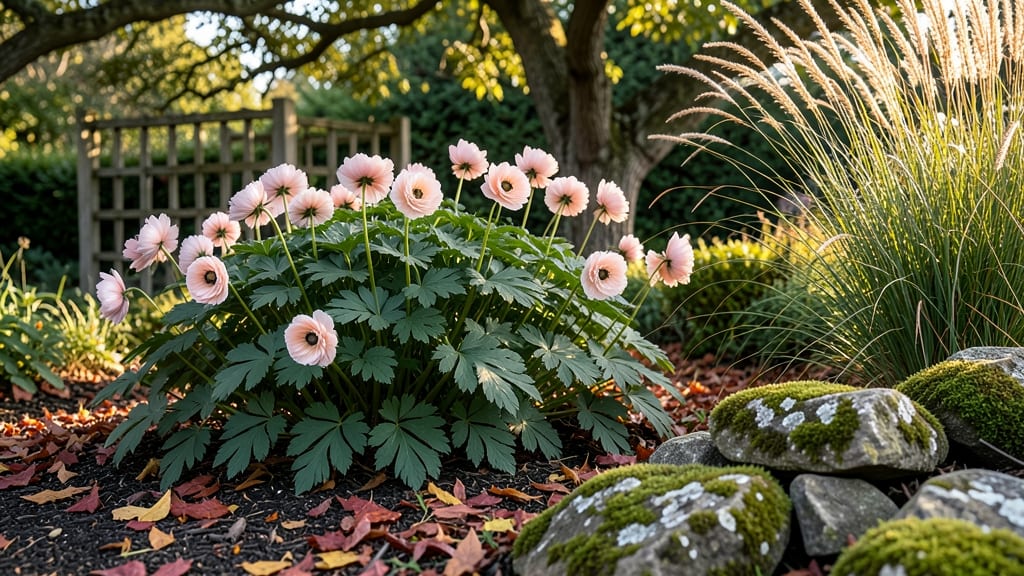
Flowers that bloom in autumn feature chrysanthemums, asters, and goldenrod, thriving in cooler temperatures with vibrant colors from late September through November. Their hardy nature makes them perfect for late-season gardens and bouquets.
Autumn's cooler weather actually triggers many flowers to bloom, as they've evolved to take advantage of the shorter daylight and lower humidity of fall. 🌿 These plants often produce their most vivid colors precisely because of the seasonal shift—think of deep reds, fiery oranges, and golden yellows that stand out against the changing foliage.
I've noticed that varieties like Japanese anemones and sedum actually prefer these conditions, producing blooms that last well into frost. The key is choosing species that match your local climate's specific autumn patterns, whether that means earlier bloomers for northern regions or later varieties for milder southern areas.
For gardeners looking to maximize autumn color, I recommend mixing height variations—tall asters (3-4 feet) behind shorter mums (1-2 feet)—to create visual impact. 🍂 The best part? Many of these flowers also attract pollinators like bees and butterflies when other plants have gone dormant.
Just be sure to deadhead spent blooms regularly to encourage new growth and extend the season.
💡 In This Article
- Why Autumn Flowers Thrive in Cool Weather
- Best Autumn Flowers for Seasonal Garden Design
Why autumn flowers thrive in cool weather
Autumn-blooming flowers have evolved a clever survival strategy: they respond to photoperiodism, the plant's internal clock that detects changing daylight hours. As days shorten in late summer, these flowers receive a biological signal to bloom.
For example, chrysanthemums (mums) typically need 12-14 hours of darkness per night to trigger flowering, which aligns perfectly with autumn's lengthening nights. This adaptation ensures they bloom when competition from summer flowers has diminished.
The cooler temperatures of autumn actually slow metabolic processes in these plants, which concentrates their energy into producing vibrant pigments like anthocyanins (responsible for reds and purples) and carotenoids (for yellows and oranges). 🌼 The lower humidity also reduces fungal pressures, allowing flowers to maintain their color longer.
Take goldenrod: its bright yellow blooms contain lutein pigments that remain stable in cool, dry conditions, whereas many summer flowers would fade or wilt under similar circumstances.
Another fascinating adaptation is their root systems. Many autumn flowers develop deeper, more extensive roots during summer to store nutrients, which they then use to fuel their late-season blooms.
This is why you'll often see mums and asters thriving in USDA zones 3-9—they've built up sufficient reserves to withstand early frosts. The trade-off? These plants often go dormant after blooming, focusing energy on root growth rather than foliage maintenance.
Light quality also plays a role. Autumn sunlight contains more blue wavelengths (due to atmospheric scattering), which these flowers use to regulate flowering hormones. This is why some varieties like Japanese anemones produce their most dramatic blooms in October-November—their pigments respond optimally to this specific light spectrum.
The result is that flowers appear more vivid against the backdrop of changing leaves.
Consider this comparison: A summer flower like a sunflower relies on high temperatures and long daylight to bloom, while an autumn flower like a sedum (stonecrop) actually prefers temperatures between 50-65°F for optimal color development.
This temperature preference explains why many autumn flowers originate from mountainous regions where cool nights are common—nature's way of ensuring they bloom when conditions are favorable for survival.
For gardeners, understanding these mechanisms means you can extend the blooming season** by providing afternoon shade during heatwaves or choosing varieties with different chill requirements. For instance, 'Bonanza' asters bloom earlier than 'Violet Queen' mums, creating a staggered display.
The key is matching your selections to your local first frost date—typically October 15-November 15 in most temperate zones.